Skardu is the main town of Baltistan, in Gilgit-Baltistan, sitting at about 2,230 metres where the Shigar river meets the Indus. It is roughly 600 km from Islamabad, and the town itself is less the attraction than what surrounds it: a cold desert, a string of lakes, two restored forts, a plateau above 4,000 metres, and the road to the Baltoro glacier.
Four of the world's fourteen peaks above 8,000 metres sit within reach of here, including K2. That is the reason serious trekkers come, and it is worth knowing whether you are one of them before you plan, because Skardu suits a specific kind of trip.
We run guided trips through Baltistan roughly 200 times a season, so the timings and costs below come from our own records rather than from other websites.
Quick answer
Getting there: about an hour by air from Islamabad, or 16–18 hours by road via the Karakoram Highway and the Jaglot–Skardu Road.
Best time: May to October. Deosai only opens roughly late June to mid-September.
Time needed: 5 days minimum, 8 is comfortable. A Baltoro trek needs 18–22 days.
Permits: no NOC for Skardu town, the main valleys, or peaks below 6,500 m. Trekking permits and royalty fees apply to high peaks.
Cost: roughly USD 800 per person for a week, guided, mid-range.
Key facts
The numbers that decide most Skardu itineraries, in one place.
| Region | Baltistan, Gilgit-Baltistan, Pakistan |
| Main town | Skardu |
| Elevation, Skardu | ~2,230 m |
| Elevation, Deosai plateau | ~4,000 m and above |
| Distance from Islamabad | ~600 km |
| Drive time from Islamabad | 16 to 18 hours |
| Airport | Skardu (KDU), in the town itself |
| Flight time from Islamabad | ~1 hour |
| Languages | Balti, Shina, Urdu |
| Currency | Pakistani Rupee (PKR) |
| Mobile coverage | Reasonable in Skardu town, patchy in the side valleys |
| Deosai season | Typically late June to mid-September only |
| Nearest 8,000 m peak | K2 (8,611 m), reached via the Baltoro glacier |
Last verified: 18 August 2026 · Source: Pakistan Tour Maker operational records
How do you get to Skardu?
By air. Flights from Islamabad to Skardu take about an hour. When they operate, this is by far the best option, saving two days each way and the approach through the Karakoram is remarkable.
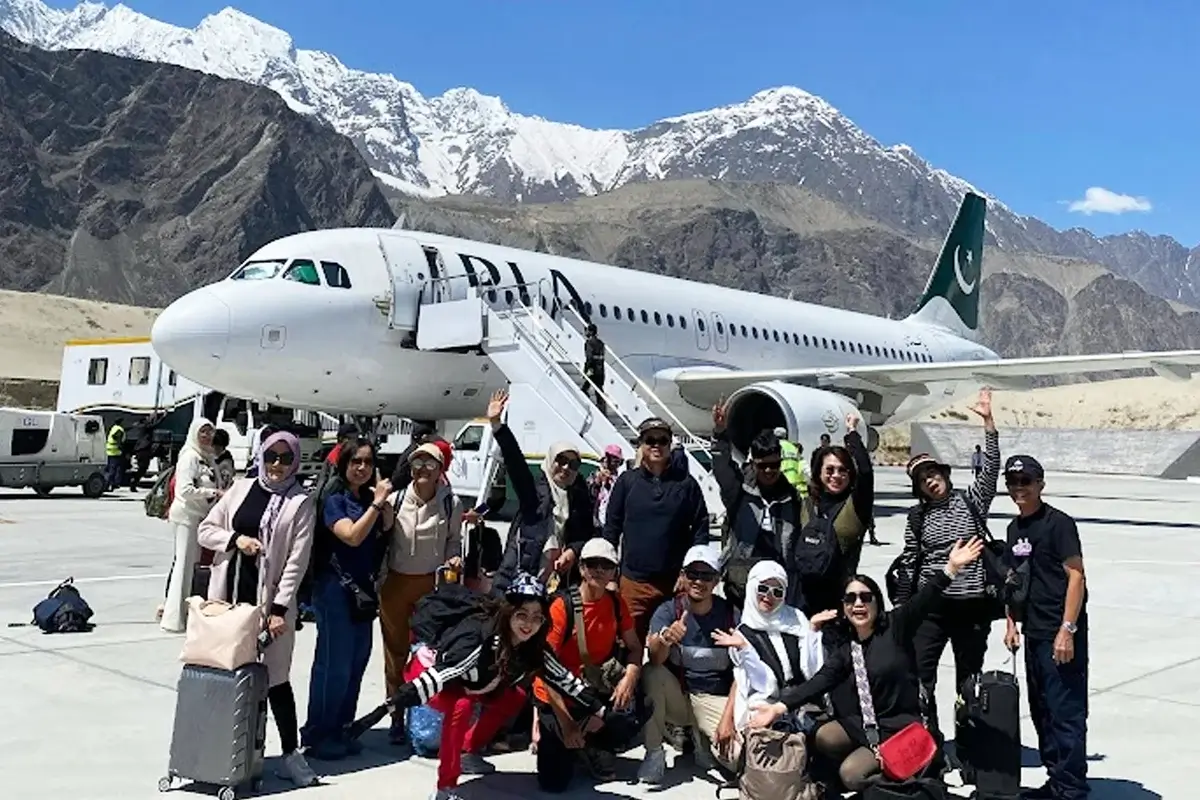
The catch is reliability. Skardu flights are weather-dependent, particularly in rain and fog. Across our current season, about 85% of flights operated as scheduled and around 15% were cancelled or delayed. Anyone flying should hold a road contingency, build a buffer day, and never book a same-day international connection on the return.
By road. Islamabad to Skardu runs up the Karakoram Highway to Jaglot, then east along the Indus on the Skardu Road. That final stretch has been substantially upgraded in recent years and is far better than its old reputation, though it remains a long mountain drive.
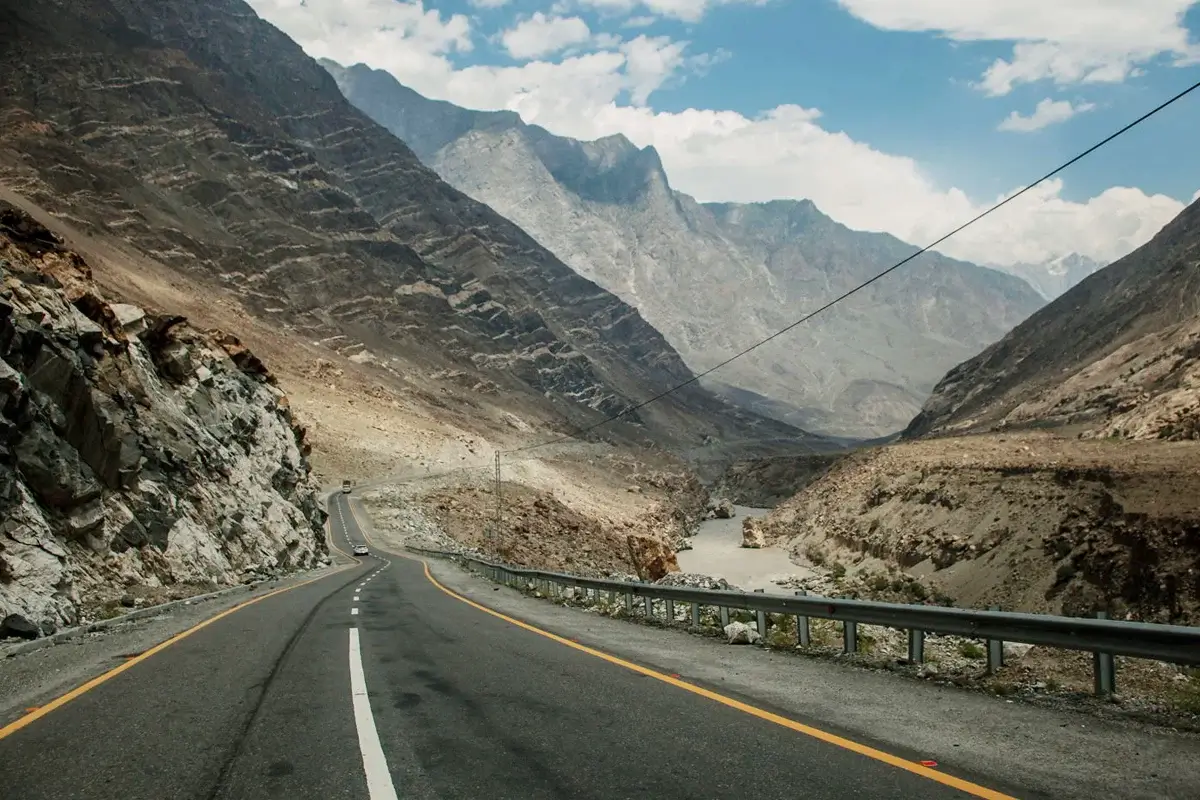
Current drive time is 16 to 18 hours, usually split over two days with an overnight at Naran or Chilas. Many figures published online still quote the pre-upgrade route, so check the date on any source you compare this against.
Which to pick. Fly if you can, with a road fallback booked in principle. If you are combining Skardu with Hunza, drive one leg. Both sit off the same highway corridor, so you would otherwise backtrack.
What does it cost to visit Skardu?
Per person, in USD, at an exchange rate of [FILL: rate] as of [FILL: date].
| Item | Budget | Mid-range | Comfortable |
|---|---|---|---|
| Accommodation per night | $15 | $45 | $85 |
| Meals per day | $3 | $8 | $10 |
| Private 4x4 with driver, per day | $25 | $30 | $32 |
| Islamabad–Skardu flight, one way | $88 | $88 | $88 |
| Licensed guide, per day | $20 | $30 | $35 |
| Deosai day trip (vehicle + entry) | $90 | $95 | $95 |
| 7-day guided total, per person | $650 | $800 | $1,250 |
| K2 Base Camp trek, 18–22 days | $1,850 | $2,500 | $2,850 |
Seven-day totals are based on two travellers sharing. Deosai figures are per vehicle including park entry.
Skardu costs more than Hunza for the same standard, mainly because distances between attractions are longer and vehicle days add up. Budget for more driving than you expect.
Cash matters here as much as in Hunza. ATMs in Skardu town exist but are unreliable, and card acceptance outside the Serena properties is minimal.
When is the best time to visit Skardu?
Skardu has a longer season than most of Gilgit-Baltistan, but Deosai does not.
| Period | Conditions | Worth knowing |
|---|---|---|
| April | Apricot and cherry blossom, cool | Beautiful and much less crowded than Hunza in blossom |
| May–June | Valleys green, lakes open | Deosai usually still closed |
| July–August | Everything open including Deosai | Peak season. Wildflowers on the plateau |
| September | Clearest skies, thinning crowds | Our own preference. Also the tail of the trekking season |
| October | Autumn colour, cold nights | Deosai closed. Short window |
| Nov–March | Cold, most side valleys closed | Flights unreliable. Town accessible, little else |
Deosai is the constraint that catches people out. The plateau is snowbound for most of the year and typically only opens late June to mid-September. Arriving in late May expecting wildflowers means arriving to snow. If Deosai is your reason for coming, check the season before booking anything.
How many days do you need?
Distances here are longer than they look on a map, so plan from driving time rather than kilometres.
| Days | What is realistic |
|---|---|
| Three | Skardu town, the Kachura lakes, and Katpana. Only worth it if you fly both ways. |
| Five to six | The above plus Shigar, Manthokha, and a Deosai day. The sensible minimum. |
| Eight | Adds Khaplu, Basho or Soq valley, and slack for a weather day. This is the trip most people should book. |
| Ten to twelve | Skardu combined with Hunza, at a pace that is actually enjoyable. |
| Eighteen to twenty-two | Baltoro glacier and K2 Base Camp. A different kind of trip entirely. |
Add a buffer day if you fly. With around 15% of departures affected by weather, a tight itinerary will eventually break, and the road alternative costs two days.
What is worth seeing around Skardu?
Ordered by how often our guests say it was the highlight, not by how often it appears on other websites.
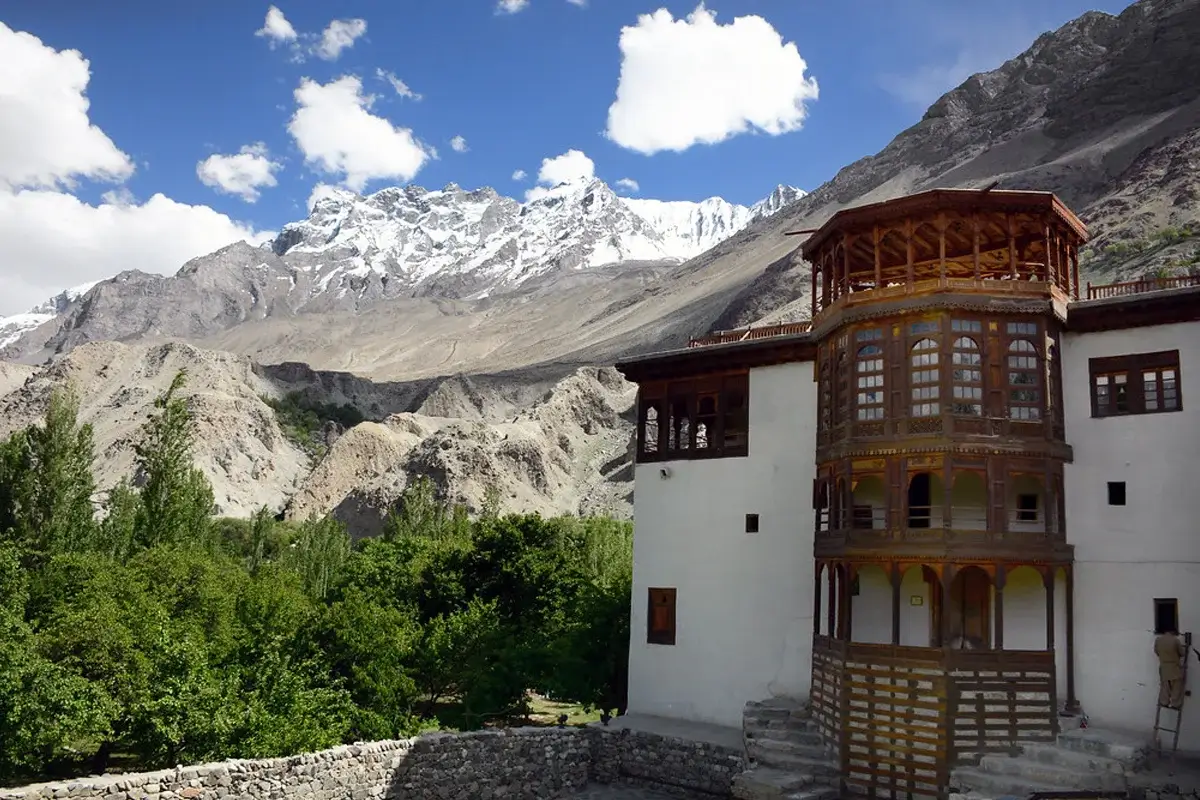
Shigar Valley and Shigar Fort. A 17th-century Raja's residence restored by the Aga Khan Trust for Culture and now run as a heritage hotel. You can visit without staying. The valley around it is worth a full day, and it is the road to Askole if you are heading for the Baltoro.
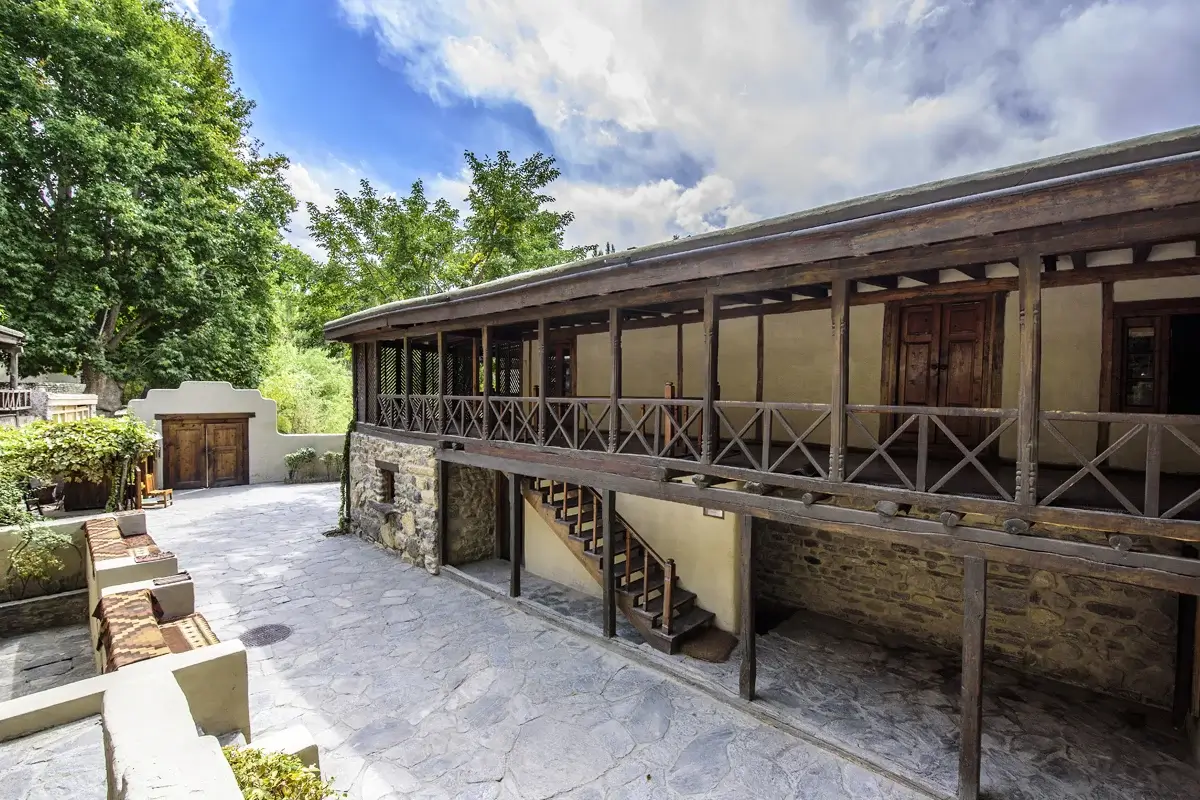
Khaplu Palace. About two and a half hours east of Skardu, another restored royal residence and, in our view, the more atmospheric of the two. The drive there along the Shyok is part of the appeal. Most three-day itineraries skip Khaplu, which is a shame.
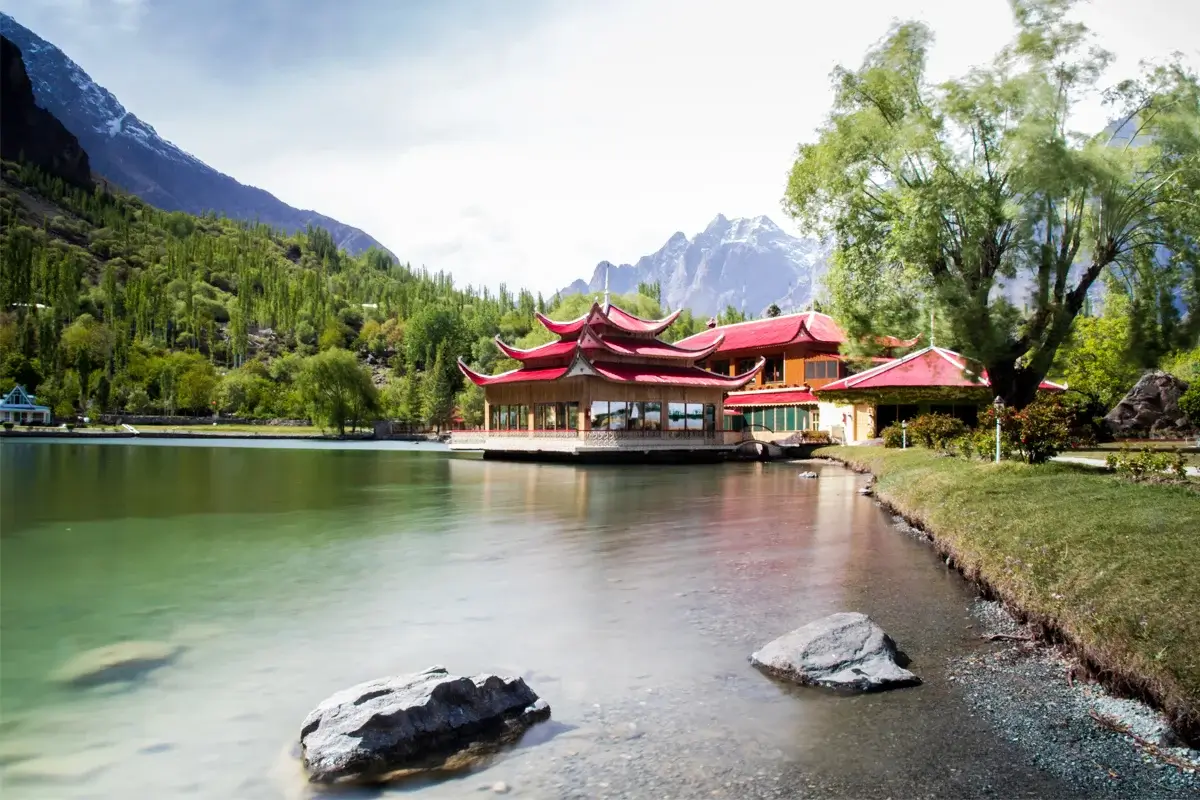
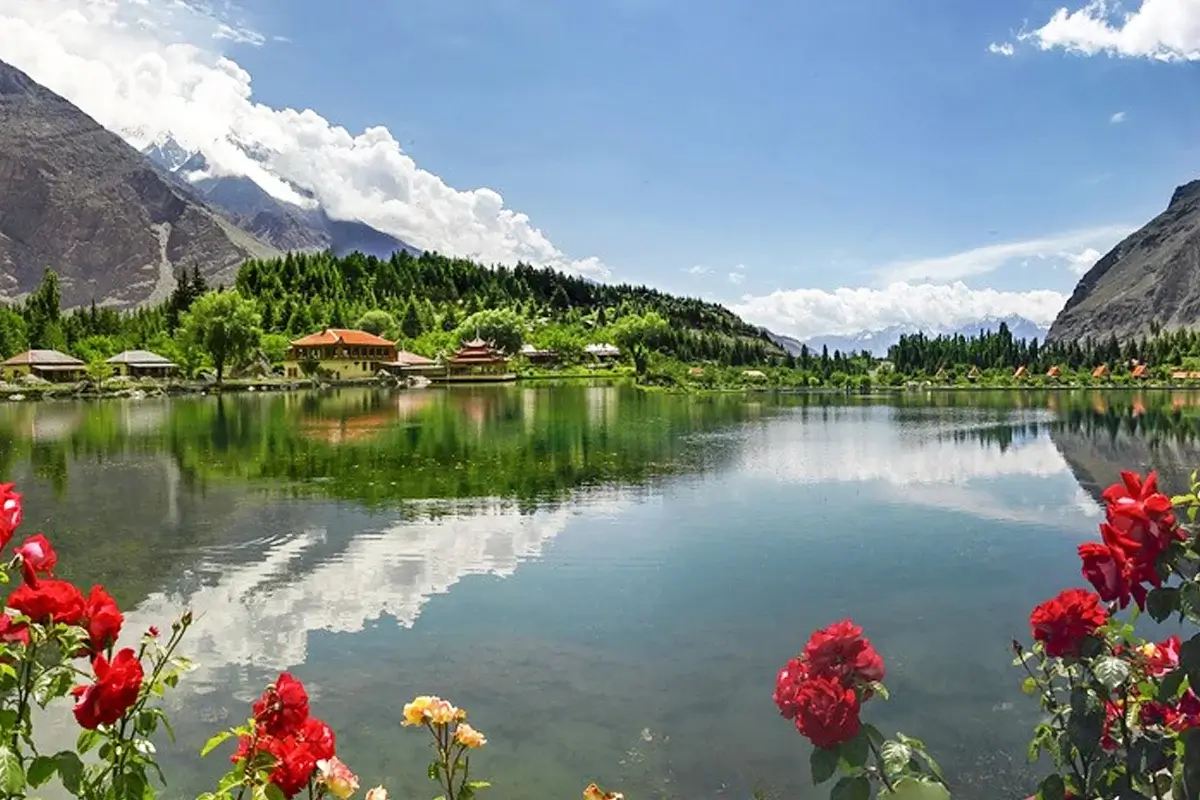
Lower and Upper Kachura lakes. Lower Kachura is the Shangrila lake you have seen in photographs. It is genuinely lovely and genuinely busy. Upper Kachura, a short walk away, is clearer, quieter, and gets a fraction of the visitors.
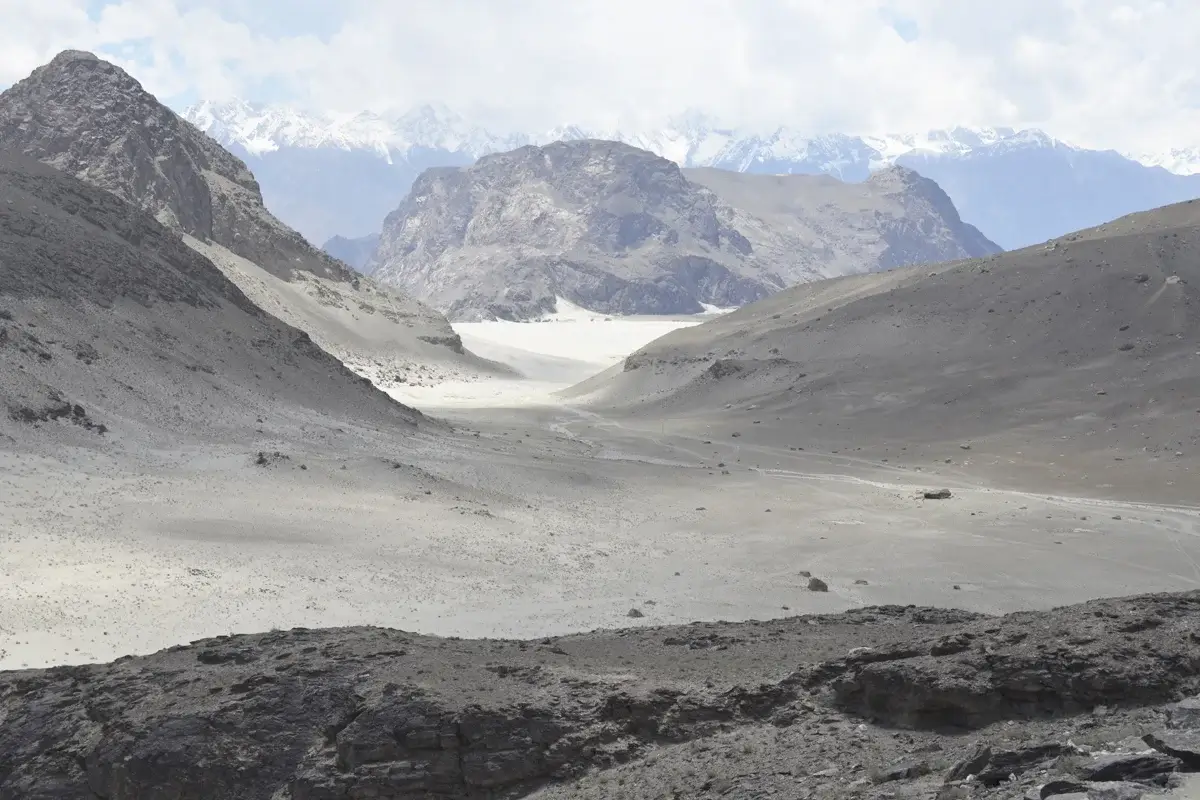
Katpana cold desert. Sand dunes at 2,200 m with snow peaks behind them. It photographs best in the hour before sunset and is dull in flat midday light. Time this one properly, or skip it.
Kharpocho Fort. Above the town, a short steep walk, and the best overview of Skardu, the Indus, and the surrounding valleys. Go late afternoon.
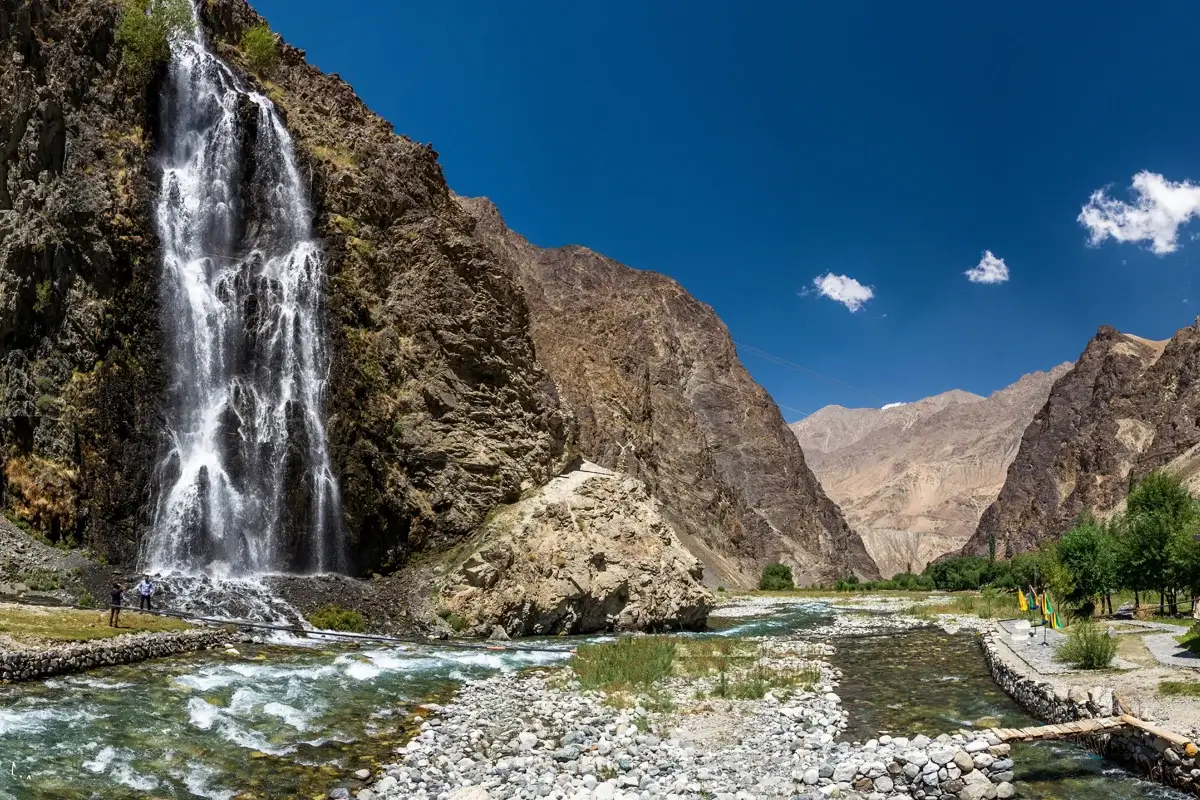
Manthokha waterfall. About two hours away in the Kharmang valley. Pleasant, popular with domestic visitors, and a long drive for a waterfall if your days are limited.
Satpara Lake. Between the town and Deosai. Now a reservoir, and visually altered by the dam. Worth a stop on the way past rather than a trip of its own.
Manthal Buddha Rock. A carved granite Buddha on the edge of town, from Baltistan's Buddhist period. Small, easy to miss, and a useful reminder that this region's history is longer than most itineraries suggest.
What tends to disappoint
Being straight about this saves everyone time.
Satpara disappoints anyone expecting the lake from older photographs. Skardu town itself is functional rather than charming, so do not plan to wander it the way you would Karimabad. And the distances surprise people: Khaplu, Manthokha and Deosai are each a substantial drive, and a short trip becomes mostly driving if you try to do all three.
Deosai National Park
A plateau above 4,000 metres between Skardu and Astore, roughly two to three hours from town by 4x4. It is one of the highest plateaus in the world and holds a protected population of Himalayan brown bears.
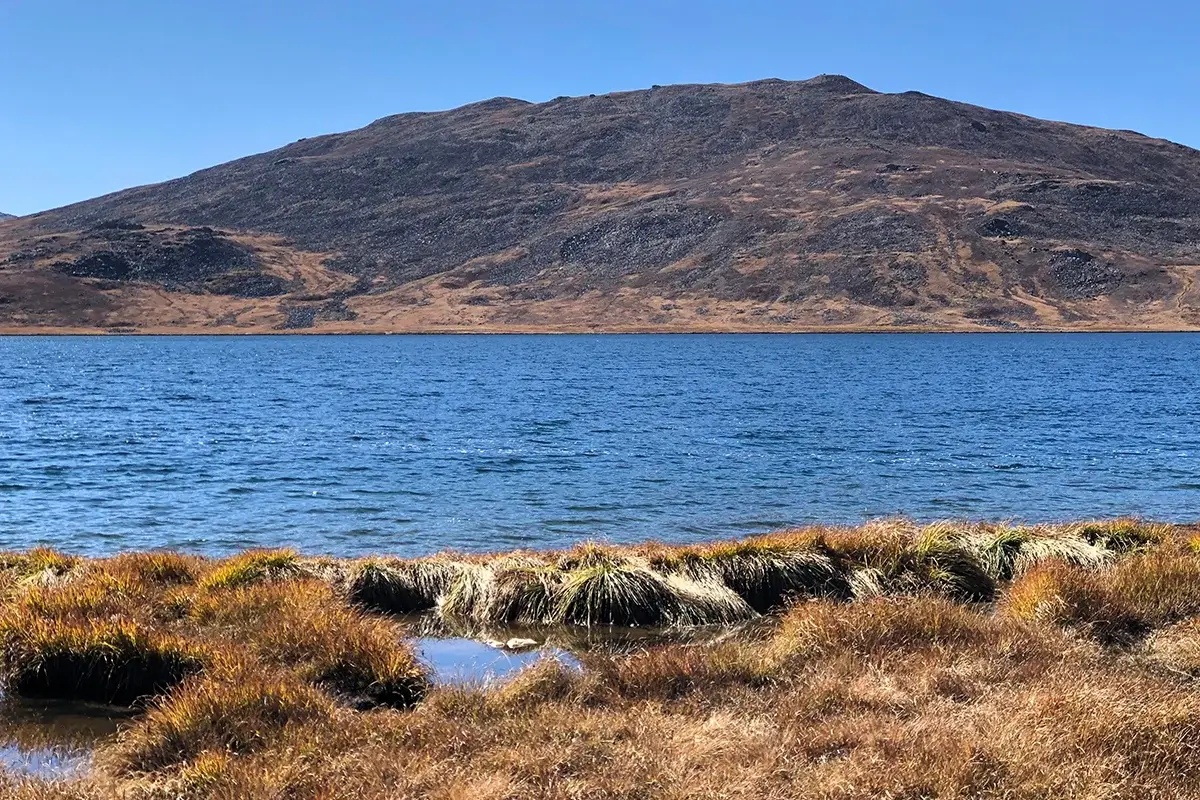
In July the plateau is covered in wildflowers, which is what most visitors come for. Sheosar Lake sits at the far side. Wildlife sightings are a matter of luck, not itinerary. Anyone promising you a bear is guessing.
The critical constraint: Deosai is snowbound for most of the year and typically only accessible late June to mid-September. Outside that window the road is closed and no operator can get you there. Confirm the season before building a trip around it.
At 4,000 m the air is thin and the weather changes fast. Bring layers even in July, and treat it as a full day out rather than a stop.
Trekking from Skardu: the Baltoro and K2
This is what distinguishes Skardu from anywhere else in Pakistan. The Baltoro glacier route runs from Askole, the last village up the Shigar valley, past Trango Towers to Concordia, the junction where the Baltoro and Godwin-Austen glaciers meet, and where you stand within sight of four peaks above 8,000 metres, K2 among them.
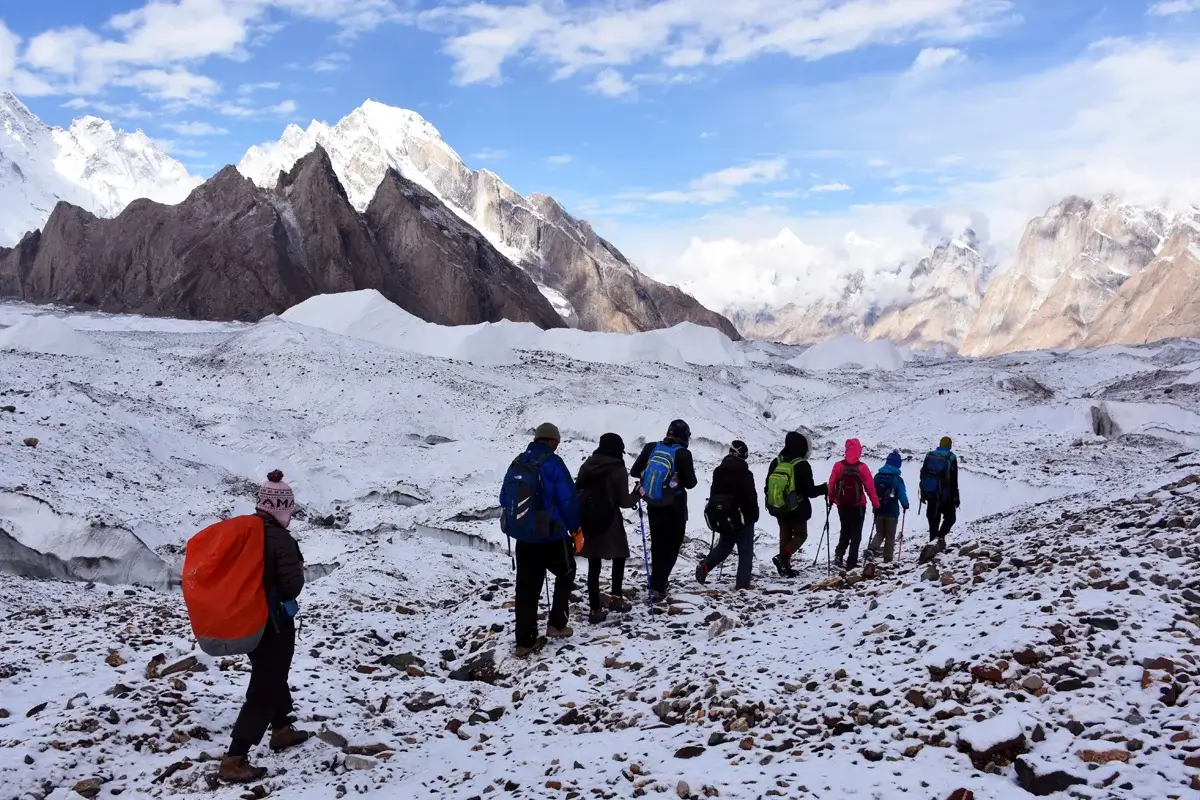
It is a serious undertaking. A full K2 Base Camp trek takes 18 to 22 days door to door, involves sustained days above 4,000 metres, and requires trekking permits and royalty fees. It is not technical climbing, but it demands genuine fitness, cold-weather experience, and a tolerance for basic camp conditions over three weeks.
The season is short, broadly July and August. Outside it, conditions on the glacier make the route unviable.
Mountaineering royalty fees
For peaks above 6,000 m the royalty fee is set by altitude and charged per expedition party of up to seven members. These are the government fees, separate from any operator cost.
| Peak altitude | First 7 members | Each additional member |
|---|---|---|
| 6,501–7,000 m | $1,500 | $300 |
| 7,001–7,500 m | $2,500 | $500 |
| 7,501–8,000 m | $4,000 | $1,000 |
| 8,001–8,500 m | $9,500 | $3,000 |
| K2, 8,611 m | $12,000 | $3,000 |
Peaks below 6,500 m require no royalty fee. Fees are reviewed periodically, so confirm current rates with us before budgeting an expedition.
Shorter options. If three weeks is not realistic, the Shigar and Basho valleys offer multi-day walks at lower altitude, and Nanga Parbat Base Camp from Fairy Meadows is a far shorter commitment with a comparable payoff in scale.
Is Skardu safe?
Skardu and Baltistan are among the safer parts of Pakistan for visitors, including solo travellers. The region has a settled population, a long history of hosting mountaineering expeditions, and very little crime affecting tourists.
The genuine risks are environmental:
- Altitude. Deosai at 4,000 m and any trekking above it affect people who felt fine in Skardu town at 2,230 m.
- Roads. The Skardu Road and the tracks to Khaplu, Askole and Deosai are mountain roads with rockfall risk. Use experienced local drivers.
- Weather. Conditions change quickly at altitude, and flight cancellations cascade through an itinerary.
- Medical facilities. Basic in Skardu town. Serious cases require evacuation, which weather can delay. Anyone trekking should carry insurance that covers helicopter rescue.
Check your own government's current travel advisory before booking. The UK FCDO, US State Department and Australian Smartraveller pages are updated regularly and their assessments differ. Read the region-specific detail rather than the headline.
Permits and where to stay
Permits. Skardu town and the main valleys need no NOC for most nationalities. A valid visa is sufficient, and peaks below 6,500 m require no royalty fee. Trekking on high peaks requires permits and, above 6,000 m, the royalty fees set out above. Some areas near the Line of Control have additional restrictions. In our recent experience an NOC takes [FILL: number] working days through a licensed operator, and we handle it as part of the booking.
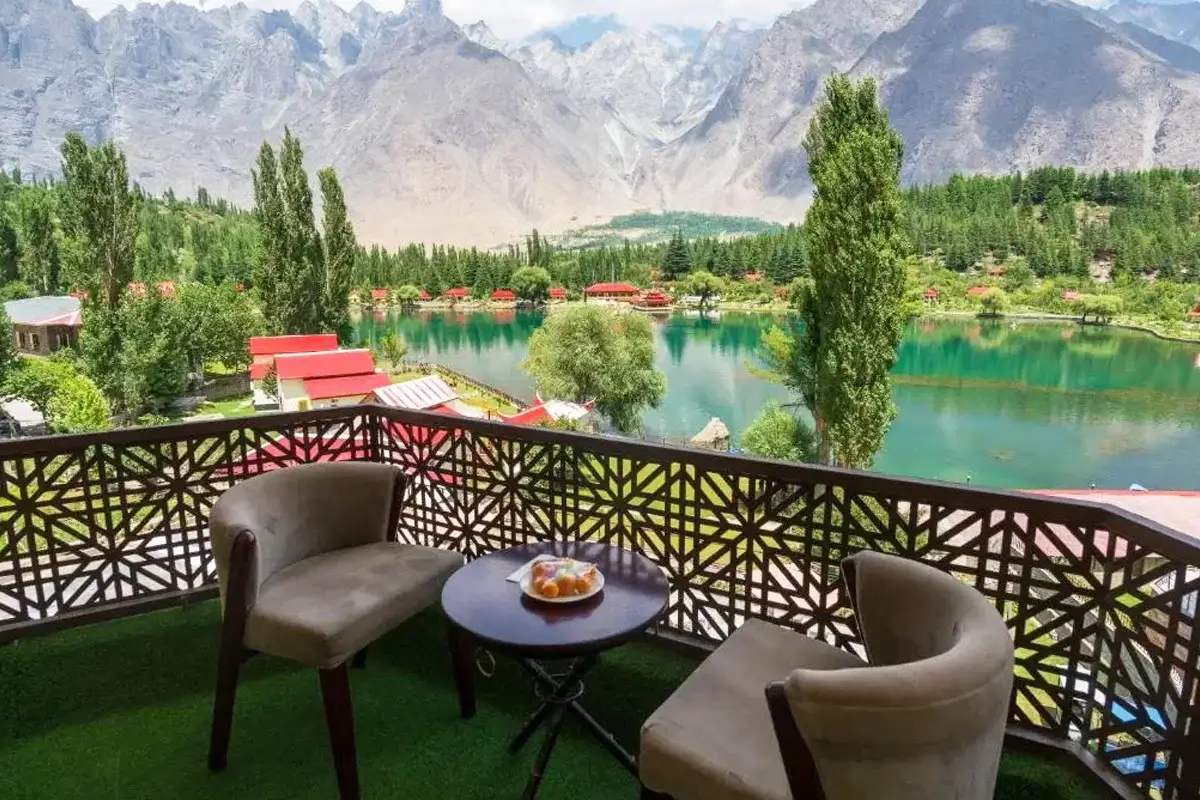
Where to stay. Skardu town is the practical base for almost every itinerary. Everything else is a day trip from here. Shigar Fort and Khaplu Palace both operate as heritage hotels if you want a night in one, and both are worth it if the budget allows. Accommodation standards in Skardu are more varied than Hunza; the gap between mid-range and comfortable is wider.
Hunza or Skardu: which first?
Hunza if it is your first trip to northern Pakistan. It is easier to reach, the attractions sit closer together, and the infrastructure is better developed.
Skardu if you came for something specific: Deosai, a Baltoro trek, the Baltistan forts, or the lakes. It rewards a second visit, and it rewards travellers who are willing to spend time in a vehicle to reach things.
Doing both properly needs ten days minimum. Attempting both in a week means spending most of the week driving.
Hunza vs Skardu: which should you visit first? · Hunza travel guide
Frequently asked questions
How reliable are flights to Skardu?
Across our current season, about 85% of Islamabad–Skardu flights operated as scheduled and around 15% were cancelled or delayed, mostly in rain and fog. Always hold a road contingency, build a buffer day, and do not book a same-day international connection on the return leg.
When is Deosai open?
Typically late June to mid-September only. The plateau is snowbound for most of the year and the road is closed outside that window. If Deosai is your reason for visiting, confirm the season before booking.
Can I see K2 without trekking?
No. K2 is not visible from Skardu or from any road. Seeing it requires the Baltoro glacier trek to Concordia, which is an 18 to 22 day commitment.
How difficult is the K2 Base Camp trek?
Not technical, but genuinely demanding: three weeks of walking, sustained days above 4,000 m, glacier travel and basic camp conditions. It requires real fitness and cold-weather experience, and insurance covering helicopter evacuation.
What does a K2 Base Camp trek cost?
Our guided Baltoro and K2 Base Camp treks run from USD 1,850 to 2,850 per person for 18 to 22 days, depending on group size and service level. Mountaineering royalty fees apply separately to climbing permits above 6,000 m.
Is Skardu suitable for families?
The town, lakes, Katpana and the forts are all accessible by vehicle with short walks. Deosai is a long day at altitude that many families skip. Trekking is not suitable for young children.
How long is the drive from Islamabad?
Currently 16 to 18 hours, usually split over two days with an overnight at Naran or Chilas. The Skardu Road has been substantially upgraded, so older figures online overstate it.
Do I need a permit for Skardu?
Not for the town or the main tourist valleys with a valid visa. Peaks below 6,500 m require no royalty fee. Trekking permits and royalty fees apply to higher peaks, and some areas near the Line of Control have additional restrictions.
Is Skardu better than Hunza?
Neither is better; they suit different trips. Hunza is the easier first visit. Skardu rewards people who came specifically for Deosai, trekking, or the Baltistan forts, and who accept longer drives to reach them.
Ready to visit Baltistan?
Guided Skardu trips from 4 to 12 days, and Baltoro glacier expeditions of 18 to 22 days, with flights or road transfers, licensed guides, permit handling and verified accommodation.
See Skardu tour packages Message us on WhatsApp
Related reading: Famous lakes in Skardu · Hunza vs Skardu: which first? · Where to stay in Skardu
Last updated: 18 August 2026 · Written and verified by our Baltistan operations team, Pakistan Tour Maker.
Pakistan Tour Maker is the international division of Click Pak Tourism Services, a Government of Pakistan licensed tour operator (Licence No. 9780), operating since 2013.