
Swat is a valley in the Malakand division of Khyber Pakhtunkhwa, running roughly north from Mingora at about 980 metres to Kalam at 2,000 metres and the passes beyond. It is the most accessible mountain region in Pakistan -- roughly three and a half hours from Islamabad to Mingora since the Swat Expressway opened -- which is both its main appeal and the reason it gets crowded.
Most planning questions about Swat come down to three decisions: whether you are going as far as Kalam or staying lower, whether Malam Jabba is worth a day, and when the upper roads are actually open. This page answers those.
It also covers something most Swat guides skip entirely. This valley was a centre of Gandhara Buddhism for centuries, and the stupas, carvings and museum collection here are more significant than the tourist circuit suggests.
We run trips through Swat roughly 50 times a season, so the drive times and fares below come from our own records.
Quick answer
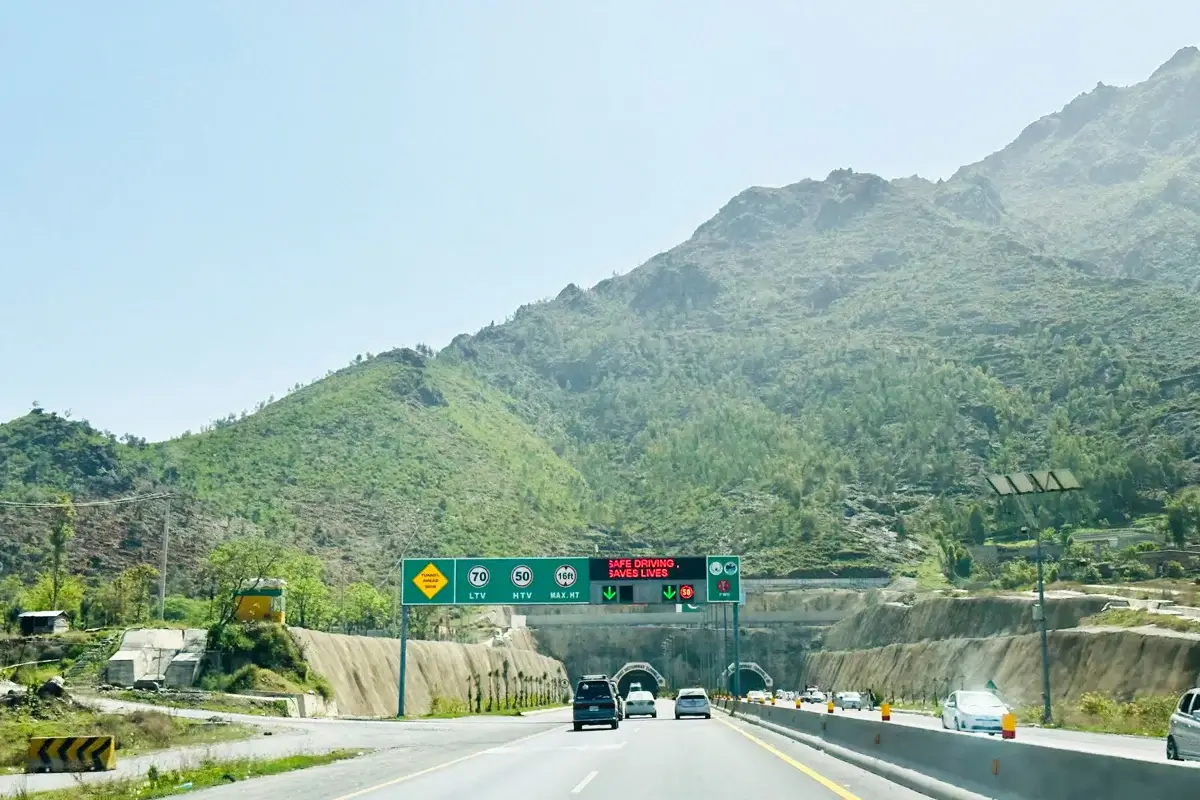
Getting there: roughly 3:30 hours from Islamabad to Mingora via the Swat Expressway, 7–8 from Lahore, 3–4 from Peshawar. Add further driving to reach Kalam.
Best time: March to October. Kalam and Mahodand open later than lower Swat; Malam Jabba has a winter ski season.
Days needed: 3 minimum for lower Swat and Malam Jabba, 4–5 to include Kalam and Mahodand.
Vehicle: paved to Kalam. Jeep required beyond, to Mahodand and Ushu.
Permits: none required for Pakistani nationals.
Key facts
The numbers that decide most Swat itineraries, in one place.
| Region | Swat District, Malakand Division, Khyber Pakhtunkhwa |
| Main town | Mingora (commercial); Saidu Sharif (administrative) |
| Elevation, Mingora | ~980 m |
| Elevation, Kalam | ~2,000 m |
| Elevation, Malam Jabba | ~2,600 m |
| Distance from Islamabad | ~250 km via Swat Expressway |
| Drive time from Islamabad to Mingora | ~3:30 hours |
| Drive time from Lahore | 7 to 8 hours |
| Drive time from Peshawar | 3 to 4 hours |
| River | Swat |
| Languages | Pashto, Urdu |
| Mobile coverage | Good in Mingora and Bahrain, patchy above Kalam |
| Permits | Not required for Pakistani nationals |
Last verified: 29 July 2026 · Source: Pakistan Tour Maker operational records
How do you get to Swat?
The Swat Expressway changed this route substantially. What used to be an eight-hour drive from Islamabad through Mardan and Malakand Pass is now roughly 3:30 hours on motorway to Mingora. A lot of older advice online still quotes the pre-Expressway timings.
From Islamabad the route runs the M-1 to the Swat Expressway interchange, then directly into the valley at Chakdara. From Lahore add the M-2 leg, roughly seven to eight hours total. From Peshawar it is three to four hours.
Beyond Mingora. The road is paved all the way to Kalam and manageable in a normal car in good conditions, though the section above Bahrain is narrow and slow.
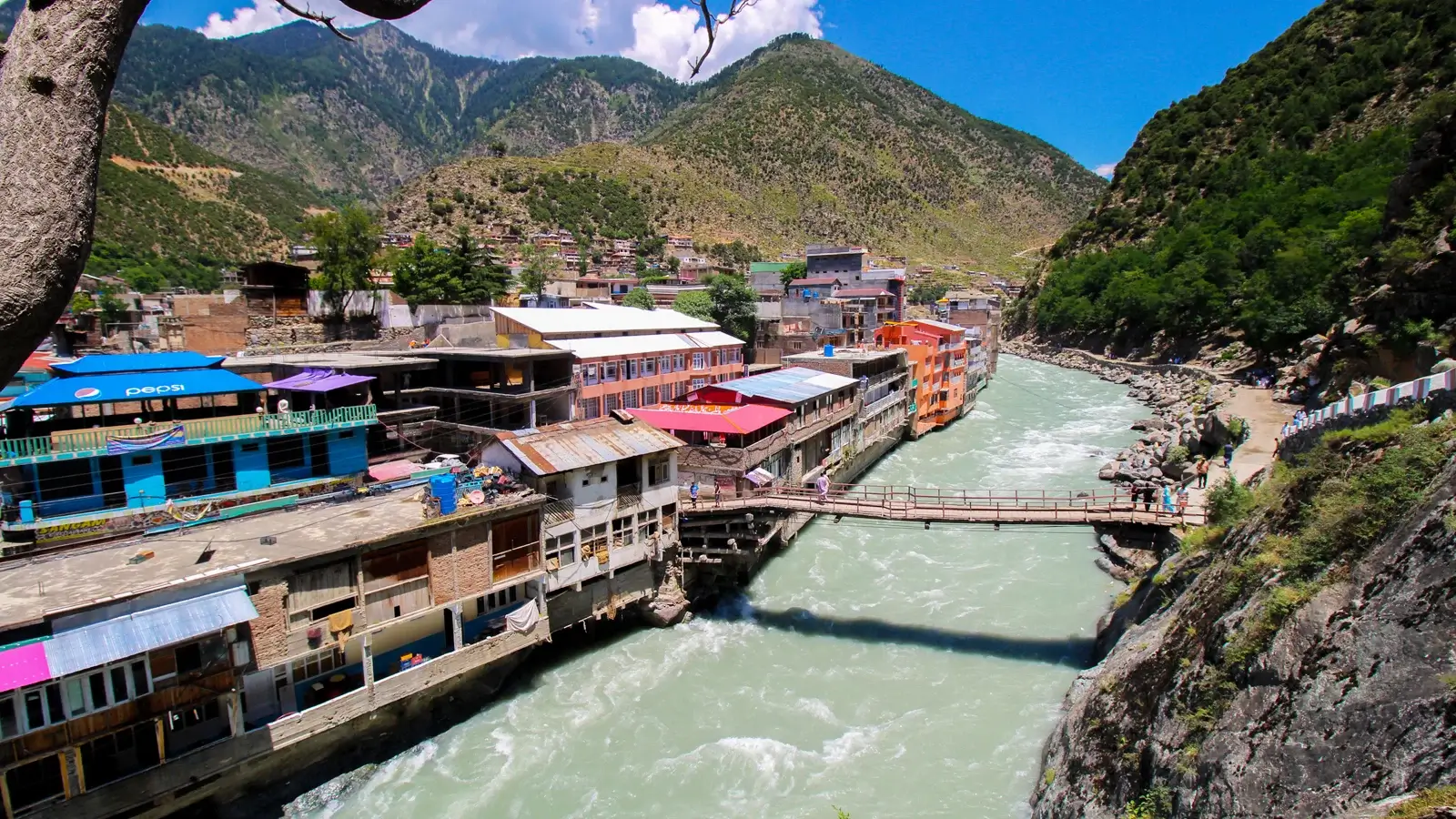
Past Kalam -- to Ushu, Mahodand and the Gabral valley -- you need a 4x4. Jeeps and drivers wait at the Kalam stand; the run to Mahodand costs around 8,000 PKR in the regular season and up to 10,000 PKR per vehicle in peak season.
Timing. Leaving Islamabad early morning gets you to Kalam in daylight comfortably. The Bahrain–Kalam stretch is not a road to drive after dark, particularly in rain.
When is the best time to visit Swat?
| Period | Conditions | Worth knowing |
|---|---|---|
| March–April | Blossom in the lower valley, cool | Kalam and Mahodand often still snowbound |
| May–June | Green, upper valley opening | Our own preference. Mahodand usually accessible from mid-May to mid-October |
| July–August | Warm, everything open | Peak domestic season. Crowded and expensive, especially weekends |
| September | Clear, thinning crowds | Best combination of access and quiet |
| October | Autumn colour, cold nights | Upper valley facilities begin closing |
| Nov–February | Snow in the upper valley | Malam Jabba ski season. Kalam road can close entirely |
The date that matters most: the Mahodand jeep track typically opens in mid-May and closes mid-October. Lower Swat is accessible year-round, but arriving in April expecting Mahodand usually means arriving to a closed track. Confirm before booking a trip built around it.
How many days do you need?
| Days | What is realistic |
|---|---|
| Two | Mingora, Malam Jabba, and the Buddhist sites. No Kalam. A weekend from Islamabad. |
| Three | The above plus a night in Bahrain or Madyan, or a rushed Kalam day. |
| Four | Lower Swat plus Kalam properly, including Mahodand. The sensible minimum for the full valley. |
| Five | Adds Gabin Jabba or the Gabral valley, and slack for weather. |
| Six or more | Swat combined with Kumrat over Badgoi Pass, when it is open. |
The upper valley -- Kalam, Mahodand and Malam Jabba
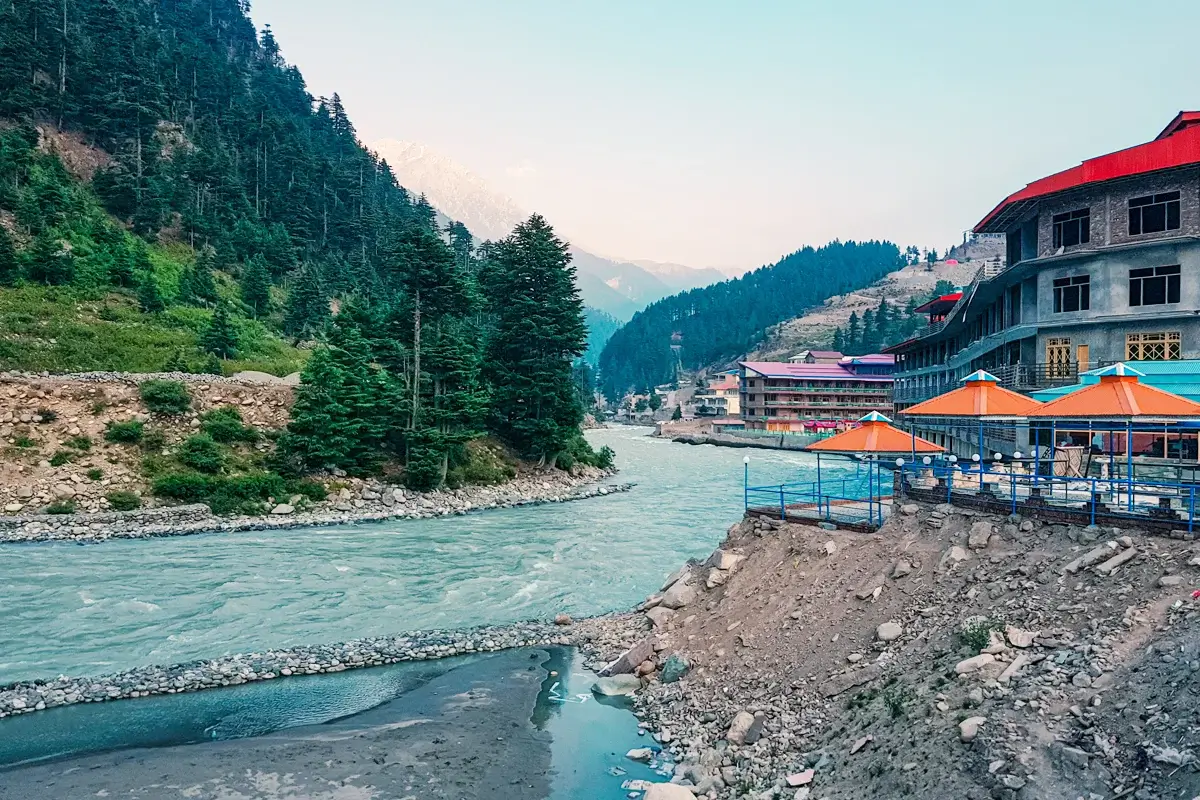
Kalam. The base for the upper valley at roughly 2,000 m, sitting where the Ushu and Gabral rivers meet to form the Swat. The town itself is a working bazaar rather than a beauty spot -- people stay here to reach what is beyond it. Riverside hotels are the ones worth paying for.
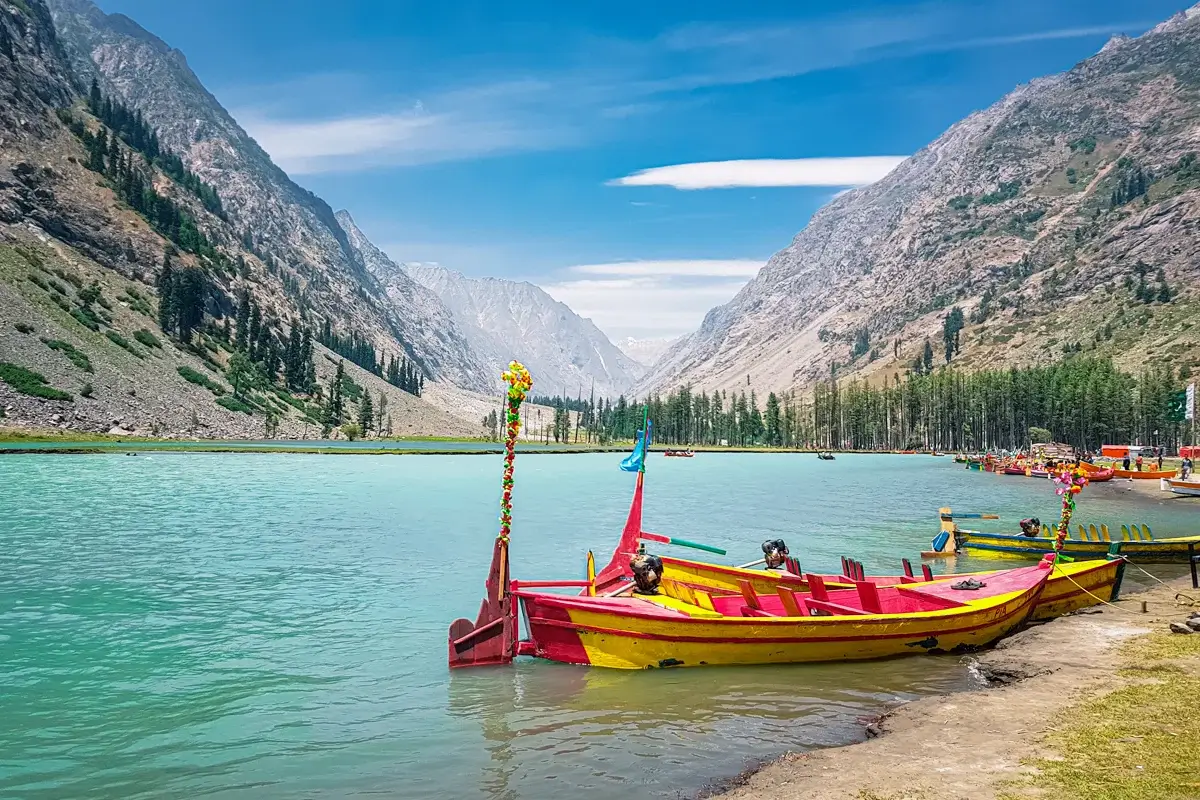
Mahodand Lake. About 35 km beyond Kalam on a rough jeep track that takes 1.5 to 2 hours each way. The lake is genuinely lovely and, in peak season, genuinely busy. Go early. The drive through the Ushu forest is arguably better than the lake itself.
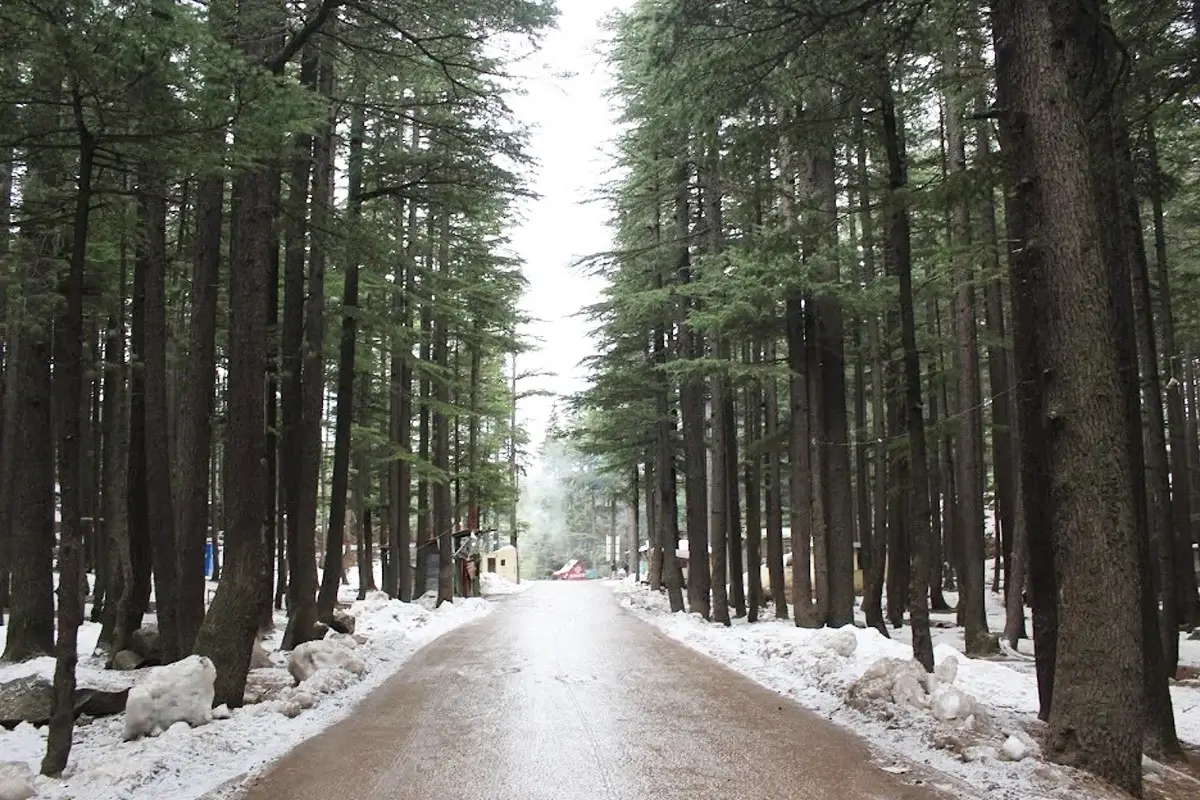
Ushu Forest. Deodar and pine on the track towards Mahodand. Most people photograph it from a moving jeep, which is a waste -- stop and walk in it for twenty minutes.
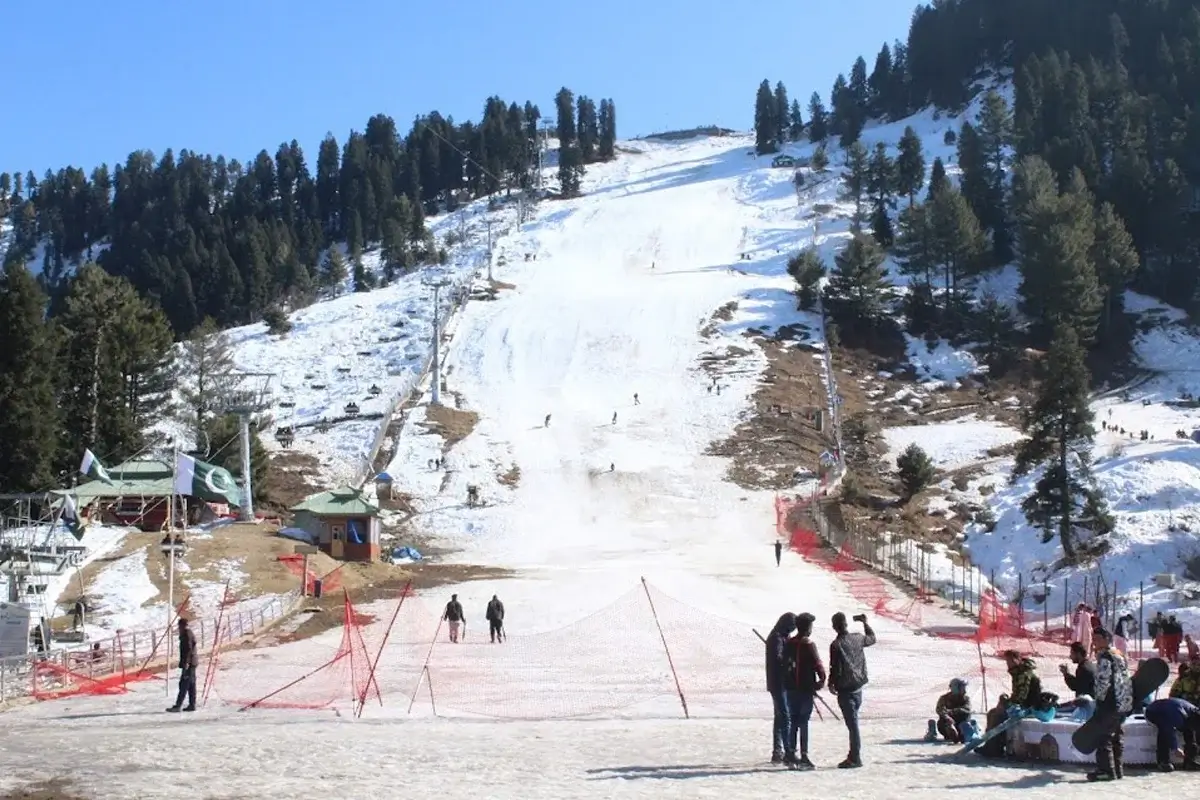
Malam Jabba. At 2,600 m, Pakistan's oldest ski resort, destroyed in 2008 and since rebuilt. There is a chairlift, a zipline, and a short ski season in winter. In summer it is a viewpoint with activities attached rather than a destination in itself, and it is a 45-minute drive off the main valley road. Worth a half day, not a full one.
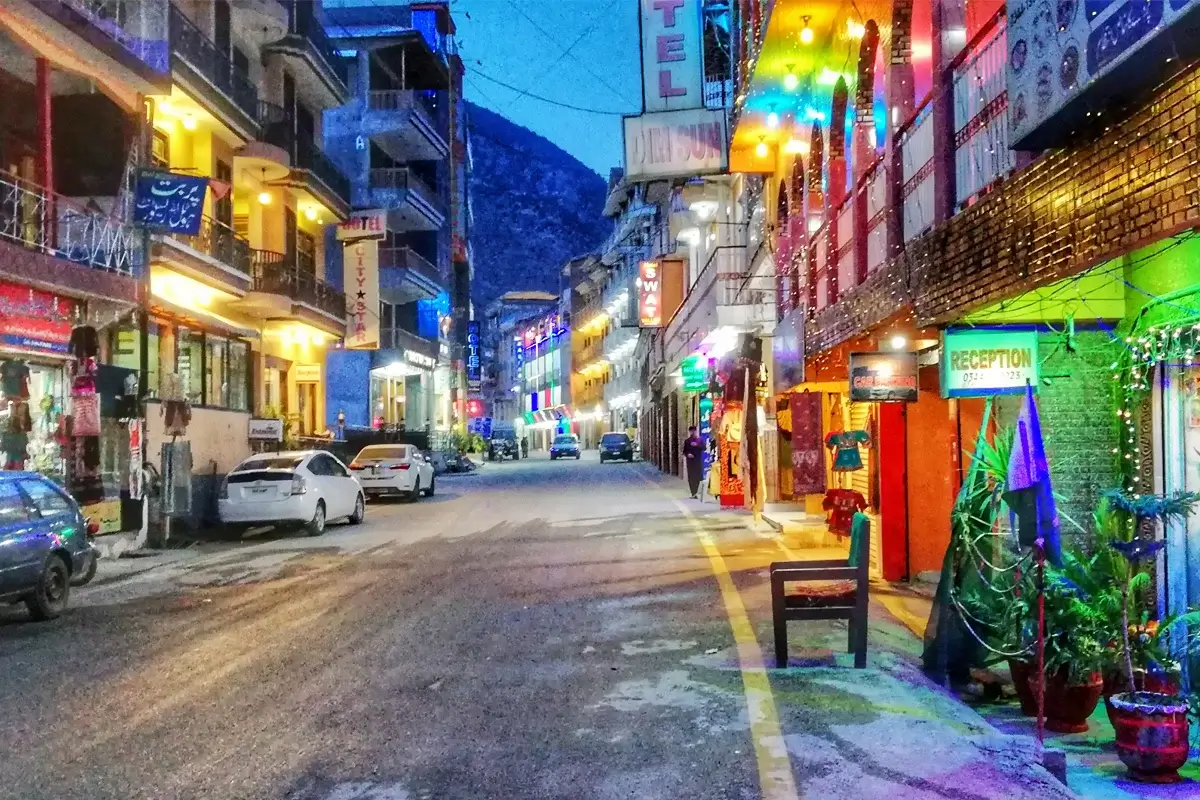
Bahrain and Madyan. Two riverside towns between Mingora and Kalam, useful as overnight stops and better for shopping -- carved wood, shawls, honey -- than anywhere higher up.
The Buddhist Swat most visitors miss
For several centuries Swat was a centre of Gandhara Buddhism, and the physical remains are still here -- mostly unvisited, largely unsignposted, and within twenty minutes of Mingora.
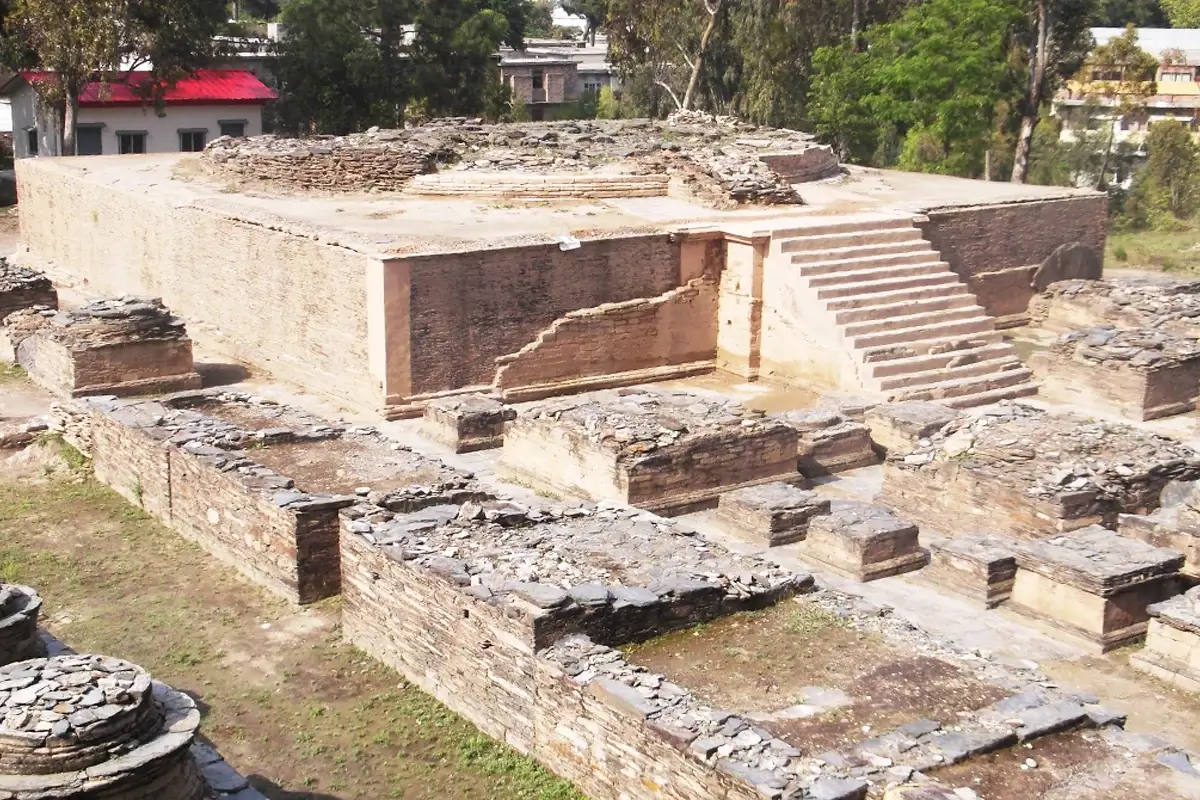
Butkara Stupa. On the edge of Mingora, a stupa complex with layers of construction spanning centuries. It sits behind a residential area with almost no visitor infrastructure, which is part of why it is so quiet.
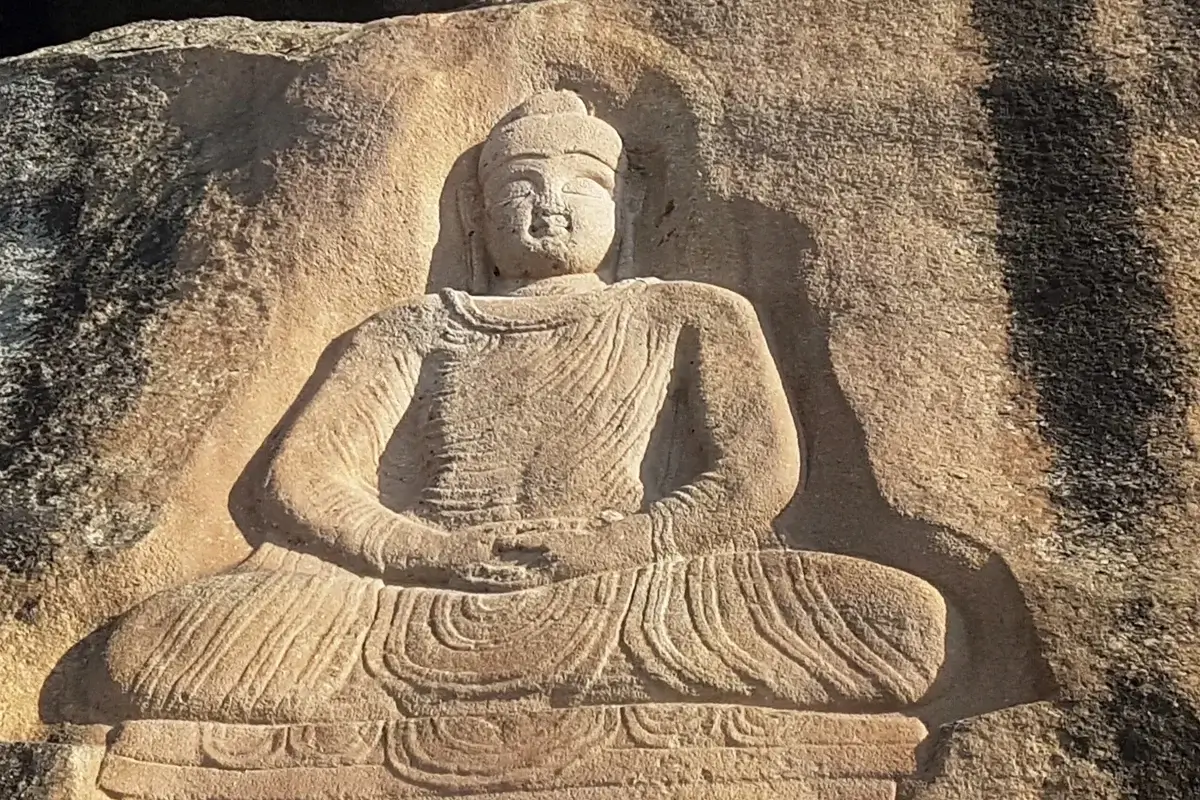
Jehanabad Buddha. A seated Buddha carved into a rock face, damaged by explosives in 2007 and restored in a joint Pakistani-Italian project. Reaching it involves a short walk uphill. It is the single most striking thing in lower Swat and most tour itineraries omit it entirely.
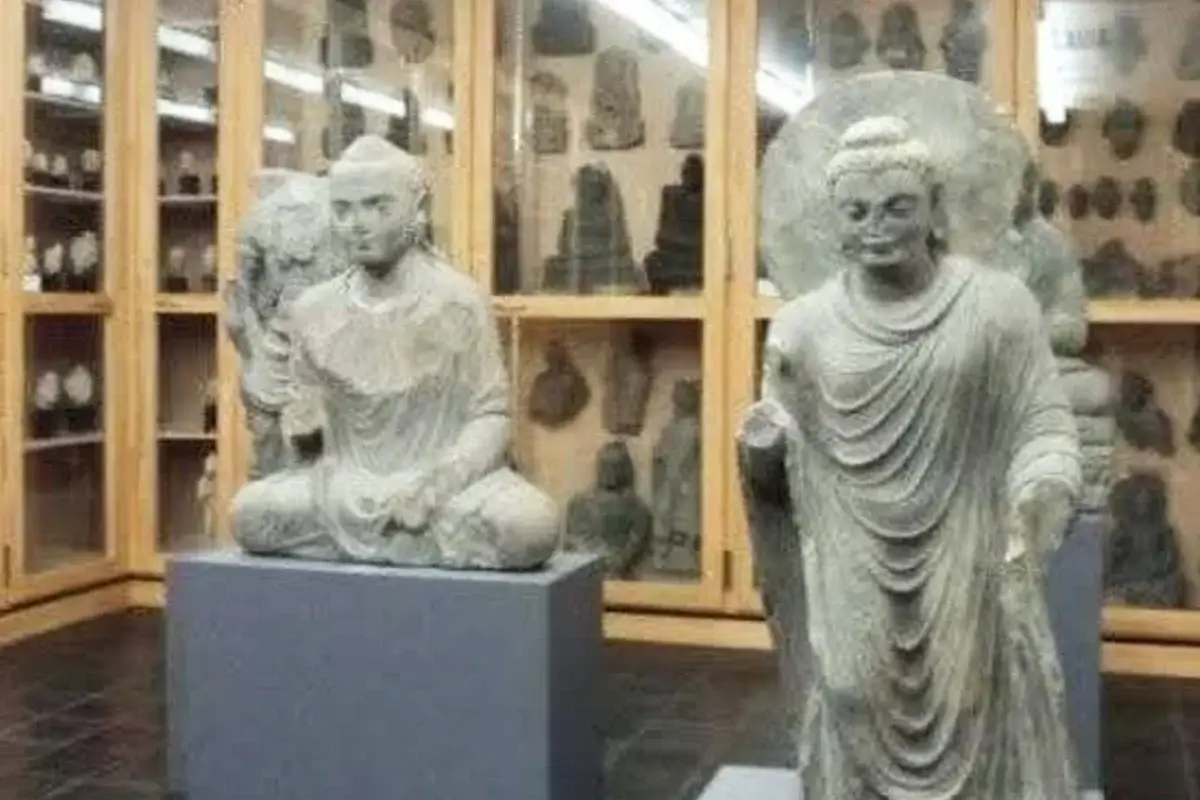
Swat Museum, Saidu Sharif. One of the better Gandhara collections in the country, well presented and rarely crowded. An hour here makes the sites outside far more legible.
Udegram and Barikot. Excavated settlements, still under active archaeological work. Of genuine interest if you already care about the period; underwhelming if you do not.
Other heritage: the White Palace, Marghazar
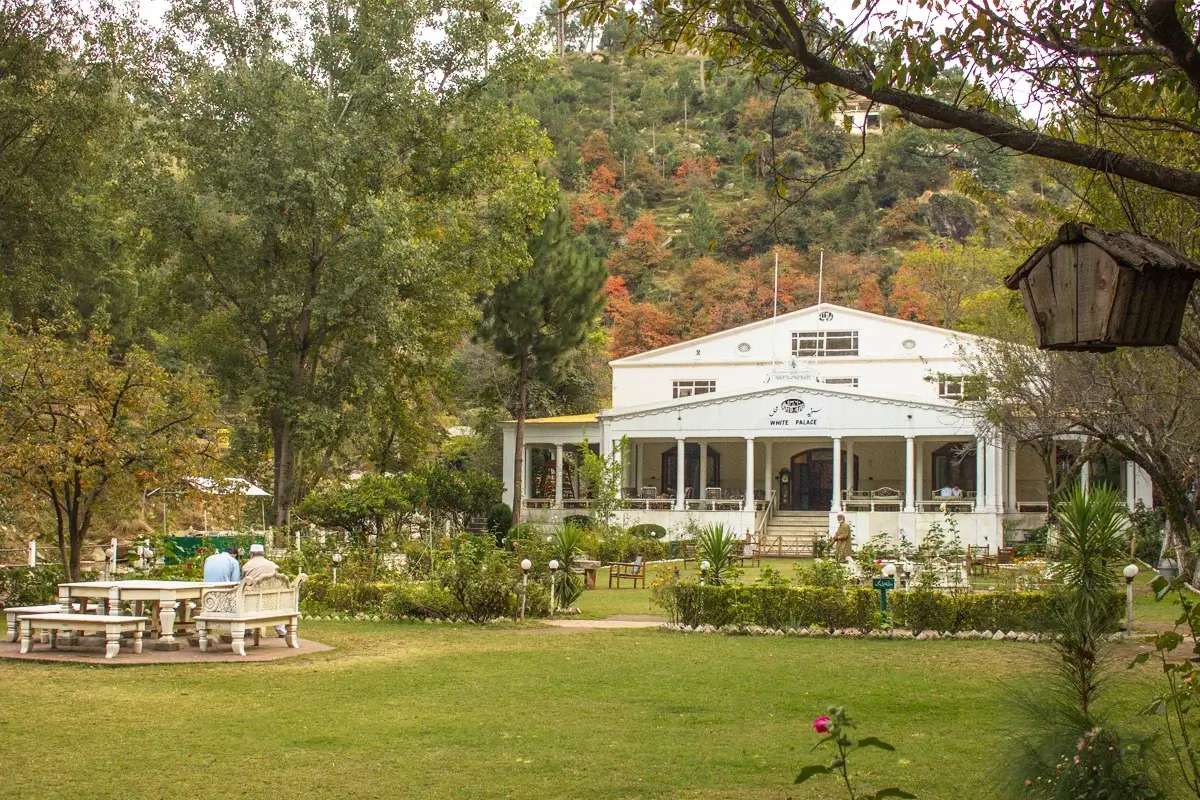
A different period of history sits a short drive from Mingora. The White Palace at Marghazar was the summer residence of the Wali of Swat, the valley's last ruling family before it merged into Pakistan in 1969. It is not Buddhist, but it rounds out the picture of Swat's layered history alongside the Gandhara sites, and it is an easy add-on to a Buddhist-sites day rather than a separate outing.
Be honest with yourself about whether this appeals. If ruins are not your thing, skip them and go straight up the valley -- but if they are, Swat holds more Buddhist archaeology than anywhere else you can reach this easily from Islamabad.
What tends to disappoint
Mingora is a busy commercial town, not a scenic one -- do not plan to linger. Malam Jabba in summer underwhelms people expecting a mountain resort; it is a chairlift and a zipline with a view. And peak-season weekends in Kalam and at Mahodand are crowded and noisy in a way the photographs never show. Midweek in June or September is a different valley entirely.
Is Swat safe?
Yes. Swat is visited by very large numbers of domestic tourists every summer without incident, and it is one of the more straightforward mountain regions in Pakistan to travel in.
It is worth addressing the history directly, because anyone researching Swat will find it. The valley was under militant control between roughly 2007 and 2009 and was the subject of a major military operation. That period ended more than fifteen years ago. The valley reopened to tourism, the Expressway was built, and Swat now receives millions of domestic visitors a year.
The practical risks today are ordinary ones:
- Roads. The Bahrain–Kalam section is narrow and slow, and the Mahodand track is rough. Avoid night driving above Bahrain.
- The river. The Swat is fast and cold, and drownings happen every season. Keep children away from the banks.
- Weather. Rain closes the upper tracks and can strand vehicles. Build a spare day into any Mahodand plan.
- Crowds. Peak-weekend traffic between Bahrain and Kalam can add hours to a journey.
Foreign nationals should check their own government's current advisory, which may still treat Khyber Pakhtunkhwa differently from Gilgit-Baltistan. Read the region-specific detail rather than the headline.
Where to stay
Three practical bases, and which you choose shapes the trip.
Mingora or Saidu Sharif. Best hotel standards, closest to the Buddhist sites and Malam Jabba, furthest from the mountains. Right choice for a short trip focused on lower Swat.
Bahrain or Madyan. Halfway up, riverside, quieter. Good compromise if you want scenery without committing to the full Kalam drive.
Kalam. Base for Mahodand, Ushu and the upper valley. Accommodation is more basic than Mingora and prices rise sharply in July and August. Riverside rooms cost more and are worth it.
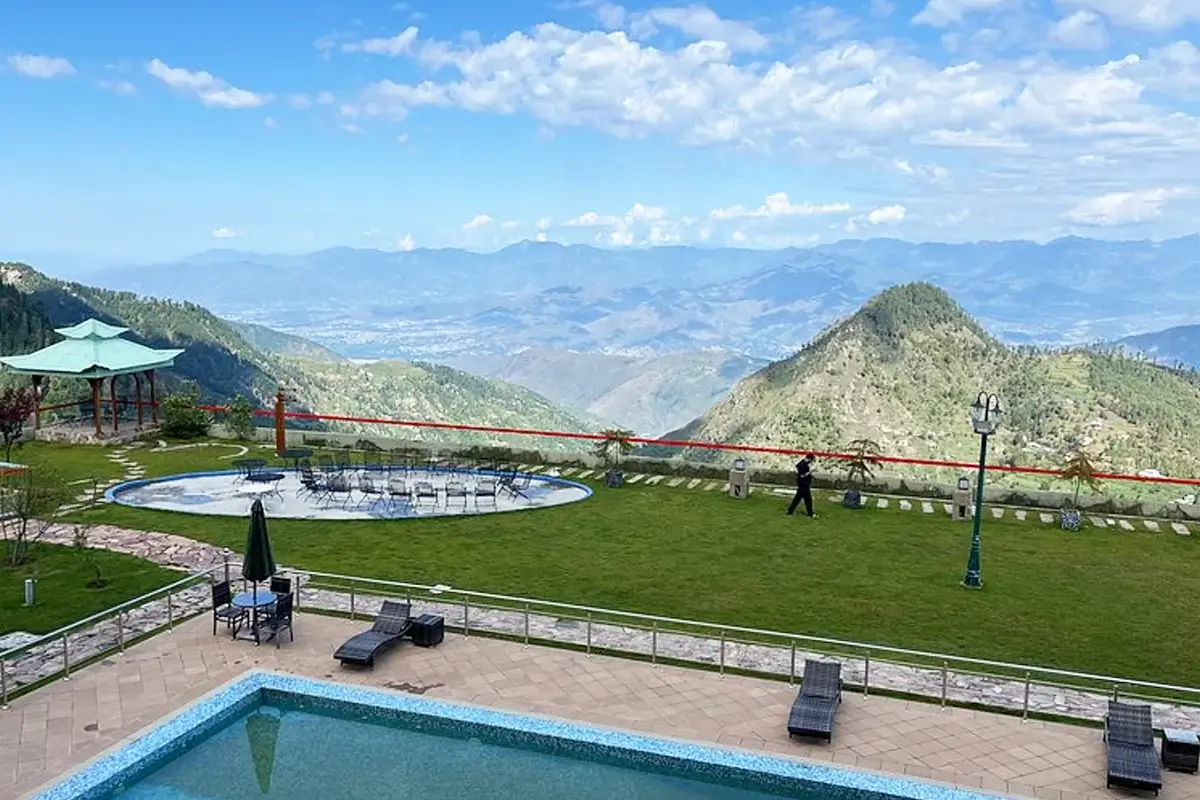
Peak-season weekends book out weeks ahead across all three. This is not a valley where you improvise accommodation in August.
Where to stay in Swat · Where to stay in Kalam
Swat or Kumrat?
They are neighbours and they suit different trips.
Choose Swat if you have less time, are travelling with older relatives or small children, want proper hotels, or want the Buddhist sites. It is far easier to reach and the facilities are considerably better.
Choose Kumrat if the forest is the point, if you want to trek to Jahaz Banda or Katora Lake, or if you would rather have somewhere less developed and accept basic accommodation for it.
With six days and Badgoi Pass open, you can do both as a loop rather than choosing. The pass is a jeep track with a short season -- confirm it is open before planning around it.
What should you pack?
Layers. Mingora can be warm while Kalam is cold on the same day, and Mahodand at altitude is colder again. Rain is more likely here than in Gilgit-Baltistan, so bring a shell.
Practical items people forget: cash (ATMs are reliable in Mingora, less so above Bahrain), motion sickness tablets for the Bahrain–Kalam road, and proper shoes if you intend to walk in the Ushu forest or up to the Jehanabad Buddha.
Frequently asked questions
How long does it take to drive from Islamabad to Swat?
Around 3:30 hours to Mingora since the Swat Expressway opened. A lot of older advice online still quotes seven to eight hours, which was the pre-Expressway route through Malakand Pass. Add further driving time to reach Kalam.
Can I drive my own car to Kalam?
Yes. The road is paved to Kalam, though the section above Bahrain is narrow and slow. Beyond Kalam -- to Mahodand, Ushu and Gabral -- you need a 4x4.
When does the Mahodand road open?
Typically mid-May to mid-October, depending on snow. Lower Swat is accessible year-round but the upper track is not. Confirm before building a trip around it.
Is Malam Jabba worth visiting?
In winter for skiing, yes. In summer it is a chairlift, a zipline and a viewpoint, 45 minutes off the main valley road. Half a day, not a full one.
Is Swat safe for tourists?
Yes. The valley receives millions of domestic visitors a year. The militancy of 2007–2009 ended more than fifteen years ago. The practical risks today are roads, the river, and weather.
Is Swat safe for families and women travellers?
Yes, and it is heavily visited by Pakistani families. Swat is more conservative than Gilgit-Baltistan; modest dress is expected and appreciated.
Why is Swat called the Switzerland of Pakistan?
The nickname dates from the mid-twentieth century and refers to the green upper valley, alpine forest and river scenery around Kalam and Ushu. Like most such nicknames it oversells the comparison, but the upper valley is genuinely beautiful.
Are there Buddhist sites in Swat?
Yes, and they are significant. Butkara Stupa, the Jehanabad Buddha, the Swat Museum in Saidu Sharif, and the excavations at Udegram and Barikot. Most tour itineraries skip all of them.
Do I need a permit for Swat?
Not for Pakistani nationals. Carry your CNIC for check posts. Foreign nationals should confirm current requirements before travelling.
Planning a Swat trip?
We run 3 to 6 day Swat and Kalam trips from Islamabad, Lahore and Peshawar, with transport, verified hotels, and optional guided visits to the Buddhist sites.
See Swat and Kalam tour packages Message us on WhatsAppRelated reading: Things to do in Swat · Things to do in Malam Jabba · Beautiful lakes in Swat Valley
Last updated: 28 July 2026 · Written by the Pakistan Tour Maker team.
Pakistan Tour Maker is the international division of Click Pak Tourism Services, a Government of Pakistan licensed tour operator (Licence No. 9780), operating since 2013.