
Kumrat is a valley in Upper Dir, Khyber Pakhtunkhwa, roughly 370 km from Islamabad. The Panjkora river runs through it, and the thing people actually come for is the forest -- deodar and pine standing in a way that has largely disappeared from more accessible parts of northern Pakistan.
The valley has three separate draws, and confusing them is the most common planning mistake. There is Kumrat itself, where you camp among the trees by the river. There is Jahaz Banda, a high meadow three to four hours' walk above Thal. And there is Katora Lake, another two to three hours beyond that. These are not a single day out.
Getting there is the part most people underestimate. The last stretch is a jeep track, not a road, and a normal car will not make it.
We run this route regularly through the season, so the fares and timings below come from our own records rather than from other websites.
Quick answer
Distance: roughly 370 km from Islamabad, 9–10 hours' driving.
Access: paved as far as Thal, jeep track beyond -- a normal car will not make it past Thal.
Season: May to October.
Days needed: 3 minimum, 4 comfortable.
Jahaz Banda: 3–4 hour walk from Thal, or jeep partway.
Katora Lake: a further 2–3 hours on foot beyond Jahaz Banda.
Permits: none required for Pakistani nationals.
Key facts
The numbers that decide most Kumrat itineraries, in one place.
| Location | Upper Dir District, Khyber Pakhtunkhwa |
| Gateway village | Thal |
| Distance from Islamabad | ~370 km |
| Drive time from Islamabad | 9 to 10 hours |
| Drive time from Lahore | 13 to 14 hours |
| Drive time from Peshawar | 6 to 7 hours |
| Elevation, Thal | ~1,500 m |
| Elevation, Jahaz Banda | ~3,100 m |
| Elevation, Katora Lake | ~3,500 m |
| River | Panjkora |
| Season | Typically May to September |
| Badgoi Pass to Kalam | Open roughly June to August only |
| Mobile coverage | Patchy in Thal, none beyond |
| Permits | Not required for Pakistani nationals |
Last verified: 2 August 2026 · Source: Pakistan Tour Maker operational records
How do you get to Kumrat?
The route from Islamabad runs Islamabad → Mardan → Chakdara → Timergara → Dir → Thal. It is paved and in reasonable condition as far as Thal, and this stage takes 9–10 hours with normal stops. From Lahore add roughly four hours; from Peshawar it is 6–7 hours.
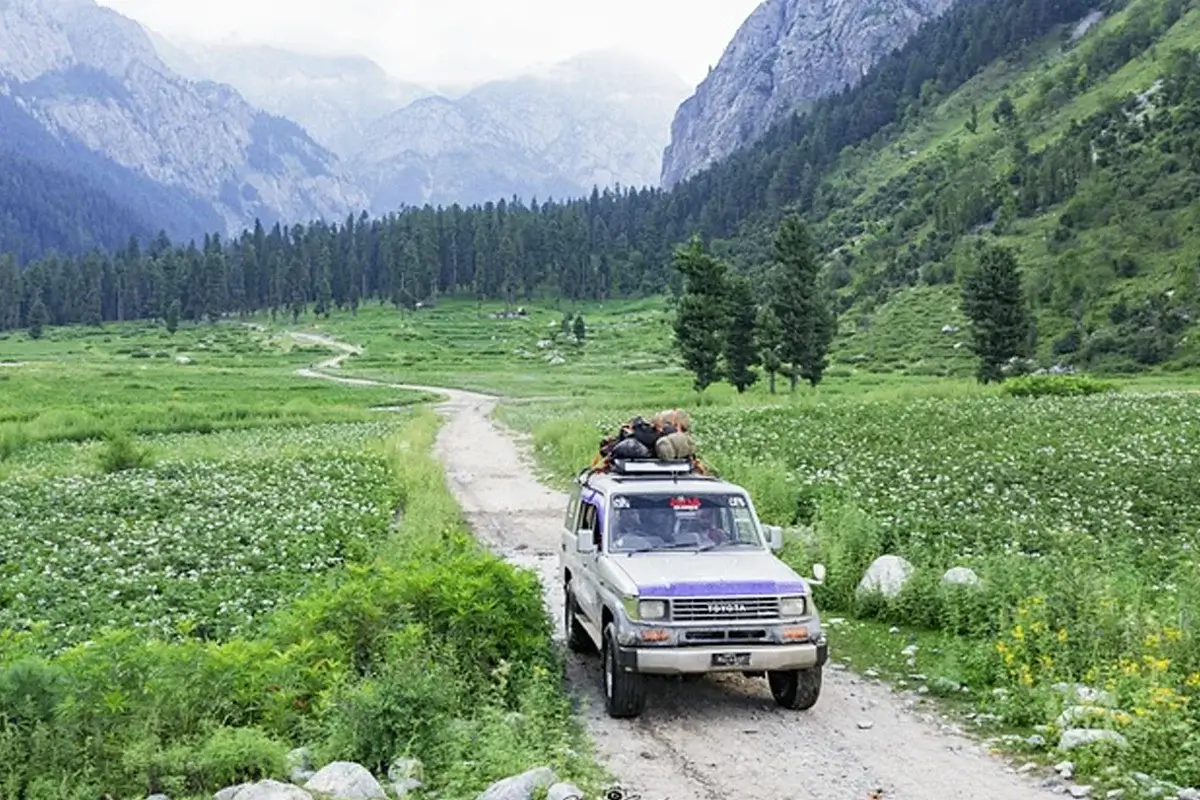
Thal is where the road ends and the jeep track begins. This is the single most important thing to understand about Kumrat. Beyond Thal, the track to the Kumrat forest camping area, and the separate track towards Jahaz Banda, both require a 4x4. Sedans, crossovers, and most SUVs without proper clearance will not make it, and every season a number of people find this out the hard way.
You have two options. Drive your own car to Thal and hire a local jeep there -- jeeps and drivers wait at the Thal stand. Or hire a 4x4 with driver for the whole trip from your home city, which costs more but removes the changeover.
On timing: leaving Islamabad at 5 am gets you to Thal in daylight. Leaving at 9 am means arriving after dark on a mountain road, which is worth avoiding. Do not plan to reach Thal and then continue to Jahaz Banda the same day -- that is two hard stages in one go.
What does a Kumrat trip cost?
Per person, in USD, updated as of 25 August 2026.
| Item | Budget | Mid-range |
|---|---|---|
| Camping pod or hut per night | $15 | $22 |
| Hotel room in Thal per night | $20 | $28 |
| Meals per day | $5 | $8 |
| Jeep, Thal to Kumrat forest (per vehicle) | $30 | $36 |
| Jeep towards Jahaz Banda (per vehicle) | $50 | $50 |
| Porter or horse for Jahaz Banda | $20 | $20 |
| 4x4 with driver from Islamabad, per day | $55 | $65 |
| 3-day total, self-driving to Thal | $350 | $450 |
Jeep fares are per vehicle, not per person -- split across your group. Current local-jeep PKR rates: roughly 22,000 PKR to the Kumrat forest area, 12,000 PKR towards Jahaz Banda; confirm against the day's rate at the Thal stand.
Two honest warnings on money. Prices in Kumrat rise steeply in July and August, and camping pod rates on peak weekends can be several times the shoulder-season figure. And there is no ATM beyond Dir -- carry all the cash you will need.
When is the best time to visit?
| Period | Conditions | Worth knowing |
|---|---|---|
| May | Valley opening, green, cold nights | Jahaz Banda may still hold snow |
| June | Good conditions, moderate crowds | Our own preference |
| July–August | Warmest, everything open | Peak season. Crowded, expensive, and this is when the litter is worst |
| September | Clear, thinning crowds, cool | Best light for photographs |
| October | Cold, autumn colour, quiet | Facilities begin closing mid-month |
| November–April | Snow, most accommodation closed | Access unreliable |
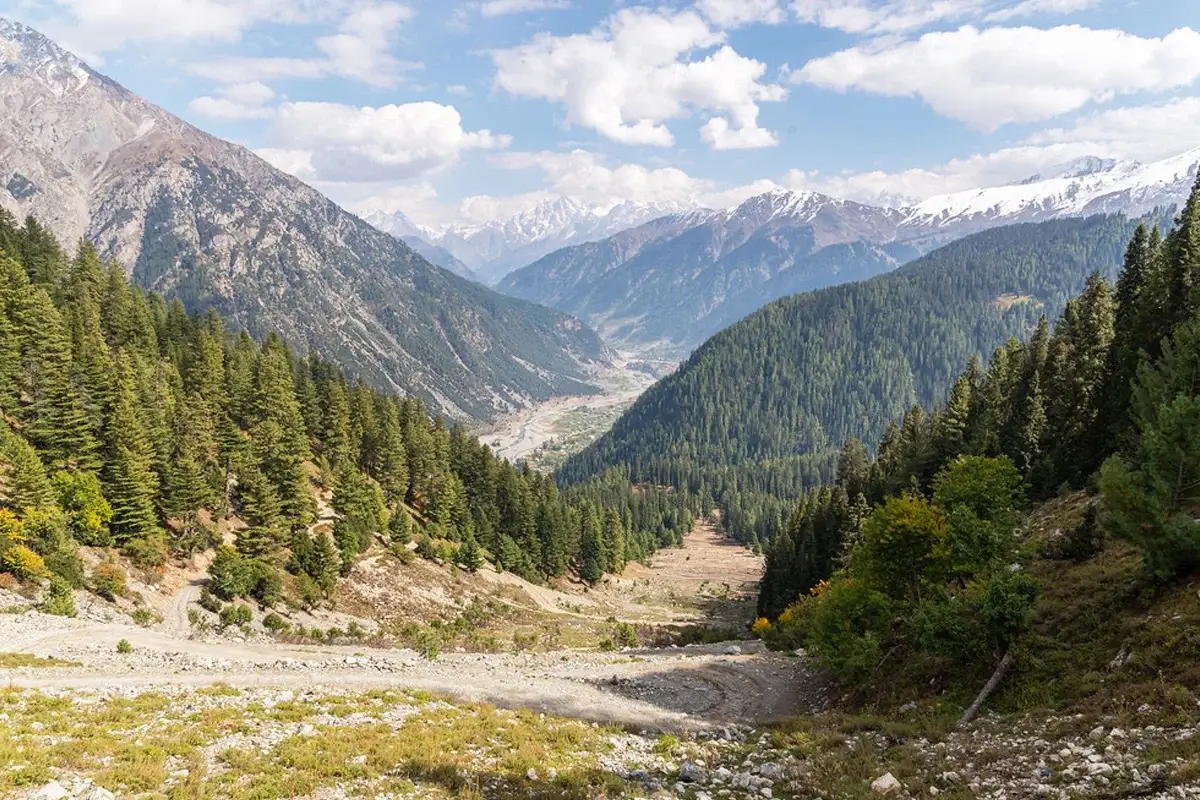
Badgoi Pass, the jeep route connecting Kumrat to Kalam in Swat, opens for a narrower window than the valley itself -- roughly June to August. If you want to combine Kumrat and Swat without backtracking to Dir, this is the route, and it needs confirming close to travel.
How many days do you need?
| Days | What is realistic |
|---|---|
| Two | Possible, and not recommended. You spend both days driving and see the valley through a windscreen. |
| Three | The realistic minimum. Day one to Thal, day two in the Kumrat forest area and waterfall, day three back. No Jahaz Banda. |
| Four | Adds Jahaz Banda properly, with a night up there or a very long day. |
| Five | Jahaz Banda plus Katora Lake, at a pace that is actually enjoyable. |
| Six or more | The above plus the Badgoi Pass crossing to Kalam, turning it into a Kumrat-Swat loop. |
What is there to see and do?
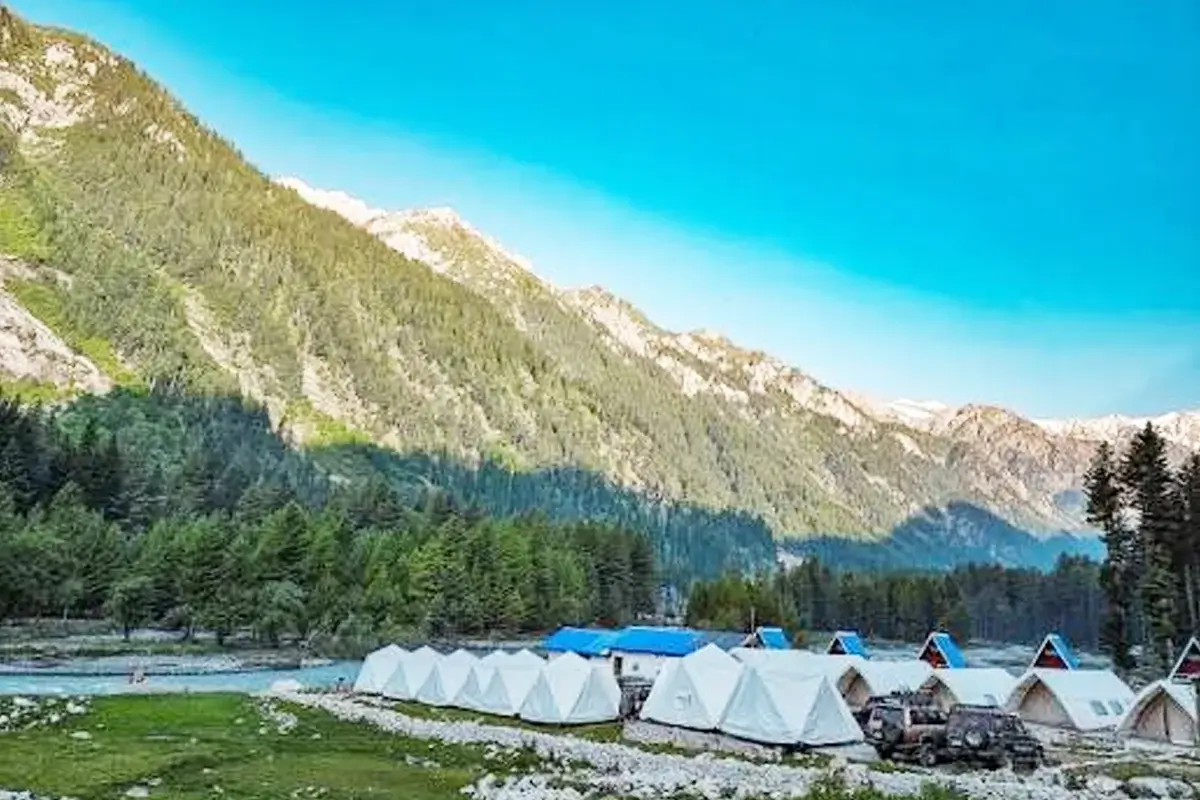
Kumrat forest and the Panjkora river. The reason most people come. Camping pods and huts sit among deodar and pine along the riverbank. It is genuinely beautiful, and in peak season it is also genuinely busy -- this is not a wilderness experience in August.
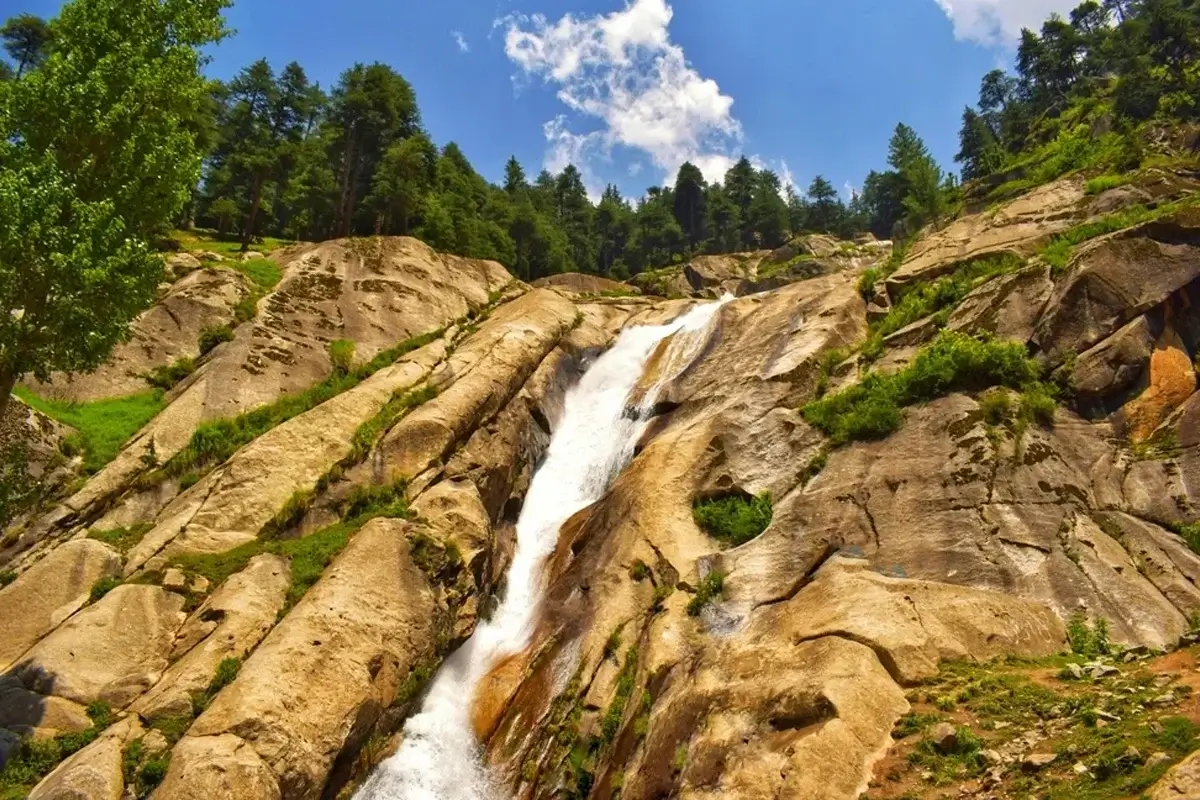
Kumrat waterfall. A short walk from the camping area. Worth an hour, not an afternoon.
Kala Chashma. A cold spring in the forest, popular as a picnic stop.
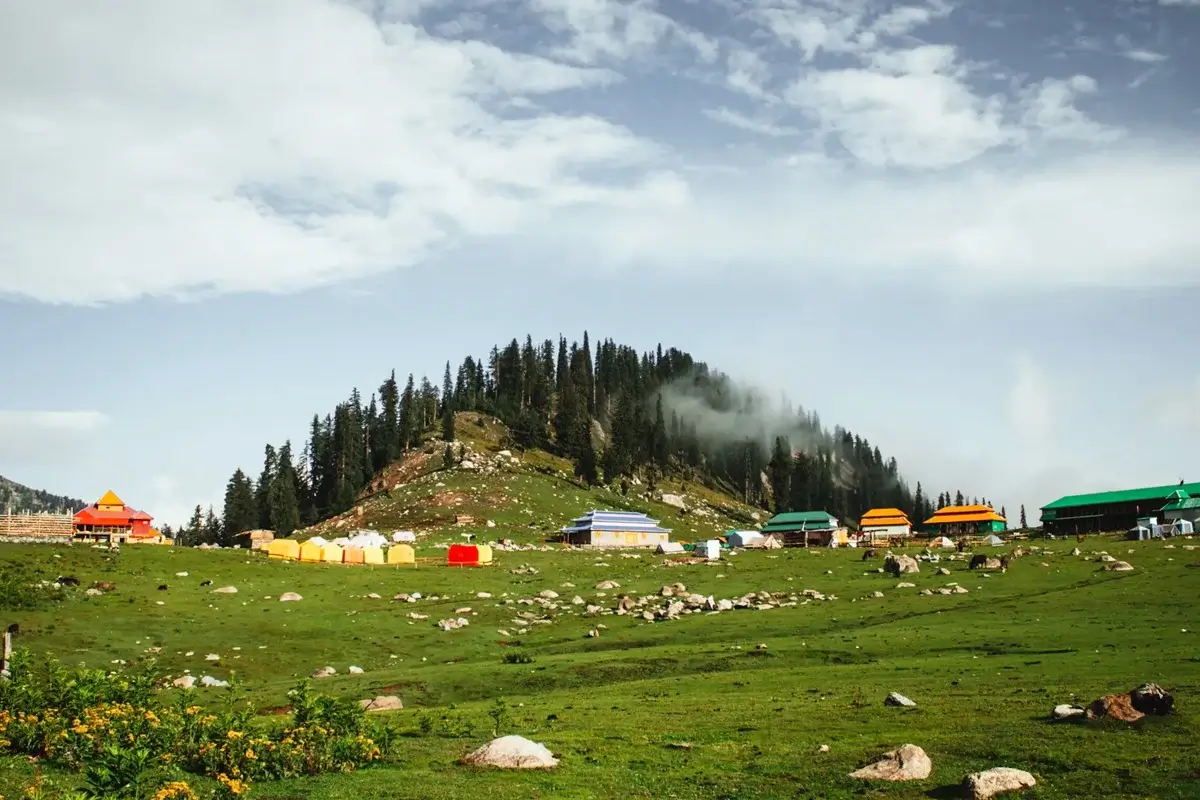
Jahaz Banda. A high meadow at roughly 3,100 m, reached by a 3–4 hour walk from the trailhead above Thal, or partway by jeep and the rest on foot. Wooden shepherd huts, open grassland, and a completely different landscape from the forest below. For most visitors this is the highlight of the trip.
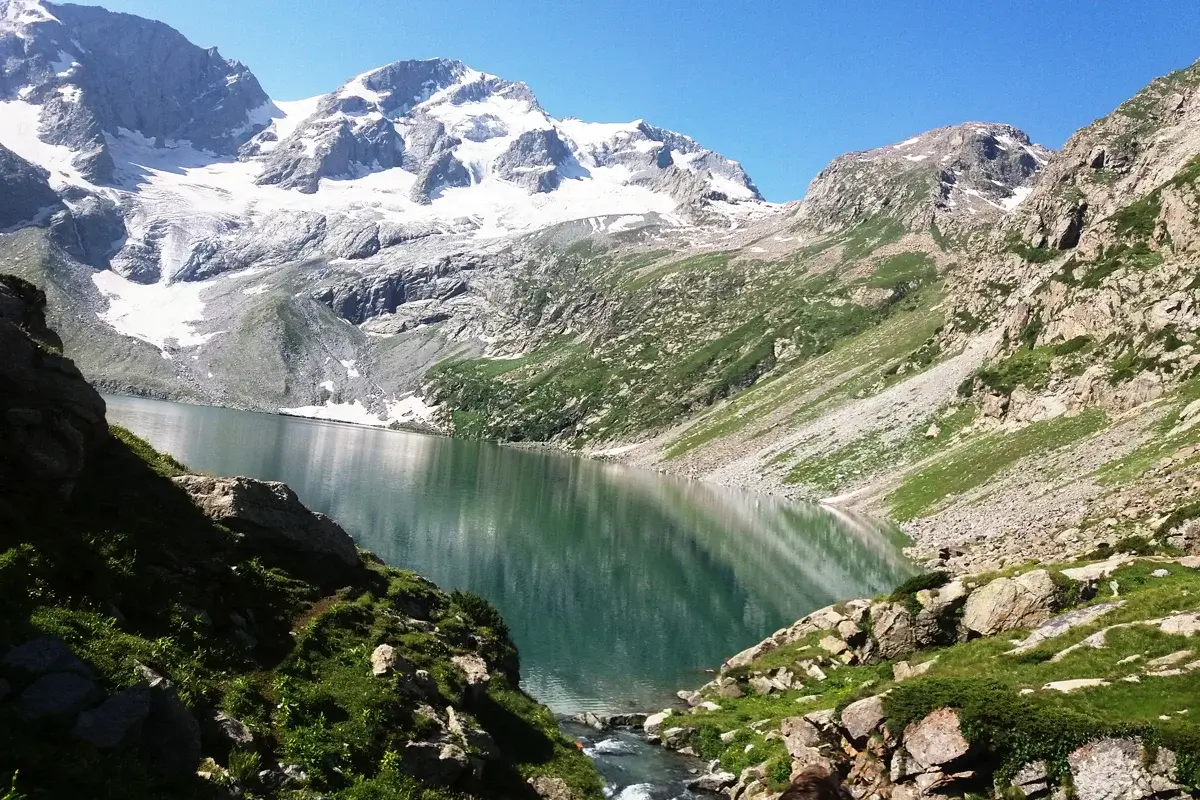
Katora Lake. A further 2–3 hours beyond Jahaz Banda, sitting in a rock bowl at about 3,500 m. The walk is steep and rocky in places. Most people who make it say it was worth the effort; a few say they would have been happy stopping at Jahaz Banda.
Badgoi Pass. A high jeep crossing to Kalam. Spectacular, slow, and open only for a short window.
What tends to disappoint
Being straight about this saves arguments later.
Peak-season crowds. July and August weekends in the Kumrat forest area are busy, loud, and nothing like the empty forest photographs that brought you there. If you want quiet, come in June or September, or go midweek.
Litter. Kumrat has a serious waste problem in high season. It is upsetting to see and worth mentioning honestly. Carry your rubbish out, including from the campsite, where bins are limited and rarely emptied.
Facilities. Accommodation is basic almost everywhere. Hot water is inconsistent, electricity is often generator-based with fixed hours, and toilets in the camping areas are simple. Come with the right expectations and it is fine.
The drive. Nine to ten hours each way is a long time in a vehicle for a three-day trip. Many people underestimate how much of a short Kumrat trip is spent driving.
Jahaz Banda and Katora Lake: what the walk is actually like
To Jahaz Banda. The trailhead is above Thal. Depending on how far the jeep can take you, the walk is 3–4 hours, climbing steadily. It is a well-used path, not a technical trek, but it is uphill almost the whole way and the altitude is noticeable in the last hour. Reasonable fitness is enough; a sedentary person will find it hard but manageable at a slow pace.
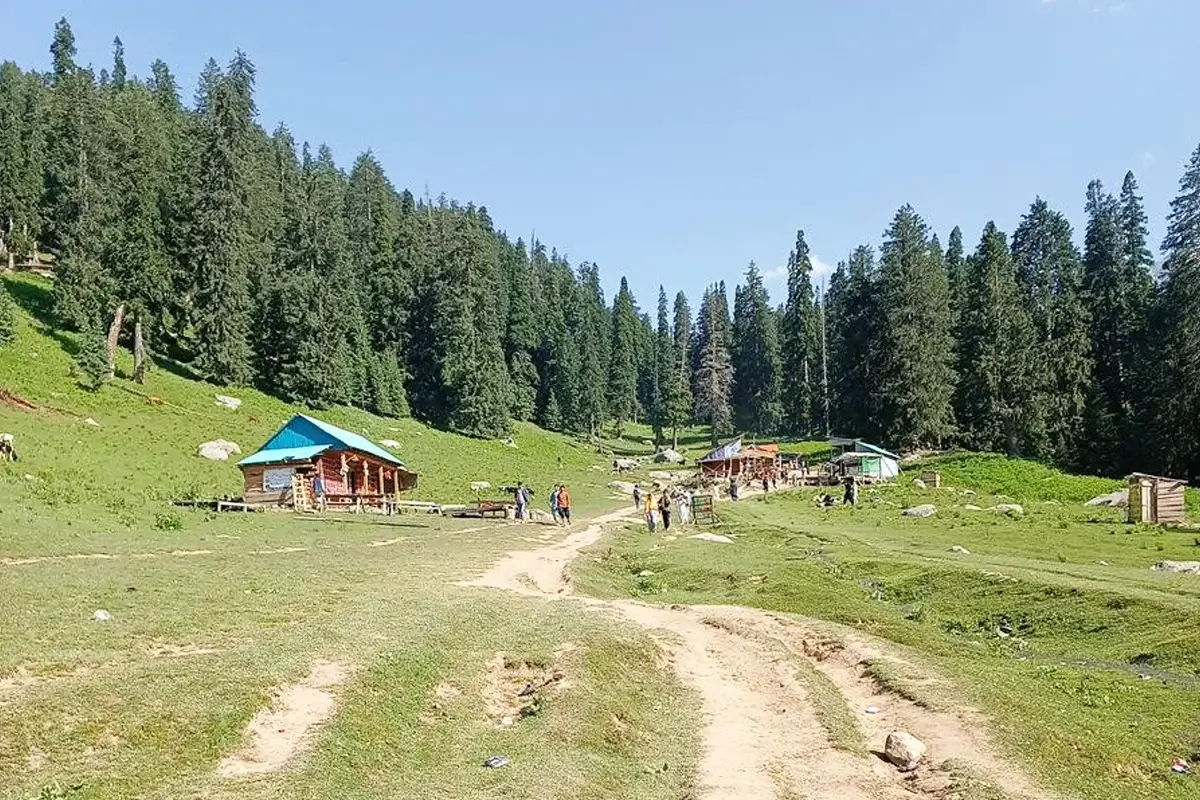
Porters and horses are available at the trailhead if you would rather not carry a pack.
To Katora Lake. From Jahaz Banda it is a further 2–3 hours, steeper and rockier, with some scrambling near the end. Start early. Coming back down to Jahaz Banda the same day makes for a long but doable outing.
Practical points: there is no reliable water source on the Katora stretch, so carry what you need. Weather changes fast at 3,000 m and above; a shell layer is not optional even in July. And there is no mobile signal from the trailhead onwards, so tell someone your plan before you set off.
Where should you stay?
Kumrat forest area. Camping pods, wooden huts, and tented camps along the river. This is where most people stay and it is the most atmospheric option. Book ahead for July and August weekends -- good pods sell out.
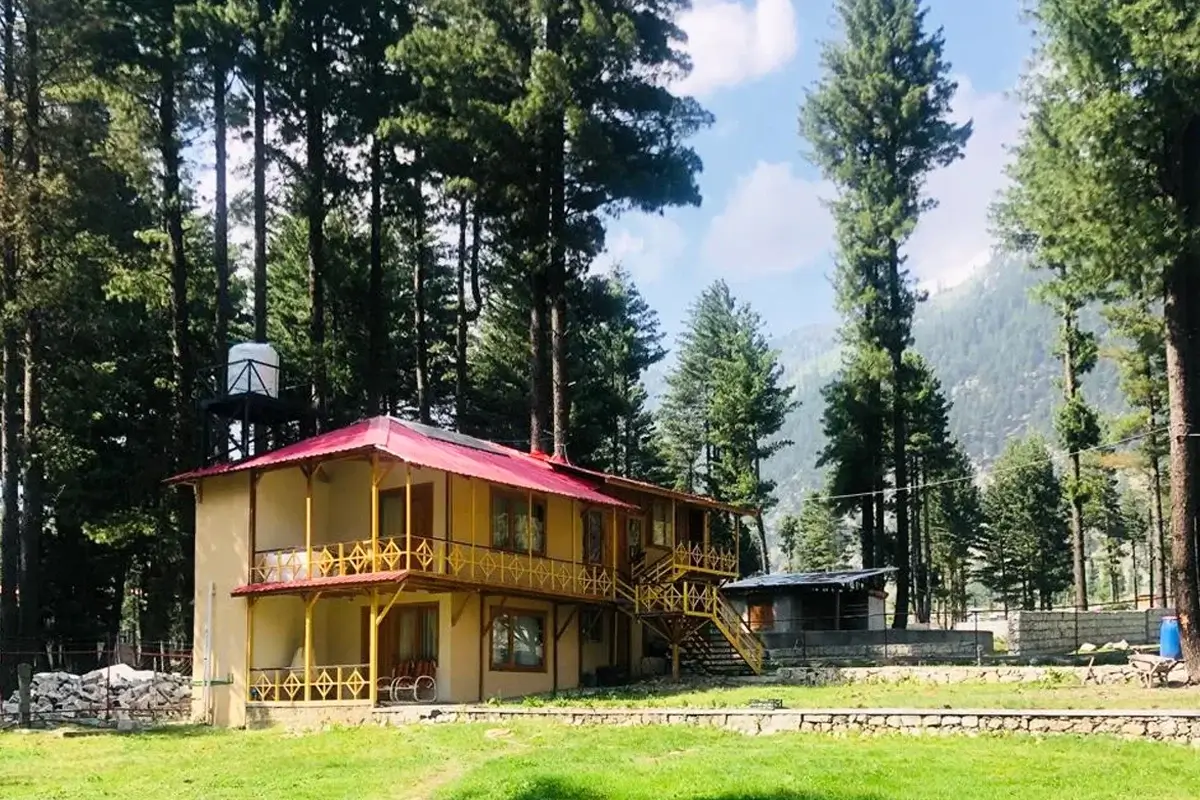
Thal. Basic hotels and guest houses. Less scenic, more practical, and useful if you arrive late or want a proper room and hot water before a trek.
Jahaz Banda. Simple shepherd huts and tented accommodation in season. Very basic. Staying up here means you can start for Katora Lake early, which is the main reason to do it.
Is Kumrat safe?
Kumrat is safe for tourists and families, and is visited by very large numbers of domestic travellers each summer without incident. The local population is used to visitors and hospitable.
The genuine risks are practical:
- The jeep track. Steep, narrow, and unprotected in places. Use a local driver who knows it. Do not attempt it in an unsuitable vehicle.
- The river. The Panjkora is fast and cold. Drownings happen every season, usually involving people wading or posing for photographs on wet rocks. Keep children away from the water's edge.
- Weather on the treks. Conditions at Jahaz Banda and Katora change quickly. Turn back if visibility drops.
- Medical facilities. Very limited. Dir is the nearest town with meaningful facilities and it is hours away. Carry a first-aid kit and any medication you need.
- Night driving. Avoid it on the Dir–Thal section entirely.
Do you need permits?
No. Pakistani nationals need no permit or NOC for Kumrat, Jahaz Banda, or Katora Lake. Carry your CNIC -- you may be asked for it at check posts on the Dir road.
Foreign nationals should confirm current requirements before travelling, as rules for Upper Dir have changed over time and are not the same as for Gilgit-Baltistan.
Phone signal, electricity and cash
Signal. Intermittent in Thal, generally none in the Kumrat forest area, and none at all on the Jahaz Banda and Katora routes. Assume you will be uncontactable.
Electricity. Most camps run generators for fixed hours in the evening. Bring a power bank.
Cash. No ATM beyond Dir. Bring everything you need in cash, including a margin for jeep fares that shift with demand.
Fuel. Fill up in Dir. Do not count on fuel beyond it.
Kumrat or Swat -- which should you choose?
They are often compared because they are neighbours, and they suit different trips.
Choose Swat if you have less time, are travelling with older relatives or small children, want proper hotels, or would rather not spend a day each way driving. Kalam is easier to reach and the facilities are considerably better.
Choose Kumrat if the forest is the point, if you want to trek to Jahaz Banda or Katora, or if you want somewhere less developed and are willing to accept basic accommodation for it.
If you have six days and the Badgoi Pass is open, you can do both as a loop rather than choosing.
What should you pack?
Warm layers regardless of month -- Kumrat nights are cold even in July, and Jahaz Banda is colder again. Proper shoes with grip if you intend to walk at all; the trails are uneven and wet in places.
The things people forget: a power bank, cash in small notes, a torch, insect repellent, motion sickness tablets for the jeep track, and rubbish bags to carry your own waste out.
If camping, check what the camp actually provides. Some supply bedding and some do not, and the difference matters at 1,500 m in September.
Frequently asked questions
Can I take my own car to Kumrat?
As far as Thal, yes, on paved road. Beyond Thal you need a 4x4 -- the track to the Kumrat forest and towards Jahaz Banda is not passable in a normal car. Most people park in Thal and hire a local jeep.
How long is the walk to Jahaz Banda?
Three to four hours from the trailhead above Thal, climbing steadily. A jeep can cover part of the distance depending on conditions. It is a walk, not a technical trek, but it is continuously uphill.
Is Kumrat suitable for families with children?
The forest area and waterfall, yes. Jahaz Banda and Katora Lake are demanding walks and not suitable for young children. Keep children well away from the river.
When does Kumrat open and close?
Roughly May to September, depending on snow. Most accommodation shuts by late October and reopens in spring.
Is there mobile signal in Kumrat?
Patchy in Thal, effectively none beyond it. Plan to be out of contact.
Can I go from Kumrat to Kalam directly?
Yes, over Badgoi Pass by jeep, but only during its short open window of roughly June to August. Otherwise you backtrack to Dir and approach Swat from there.
How much does a Kumrat trip cost?
For three days, self-driving to Thal and hiring a local jeep, our 3-day mid-range total runs around USD 450 per person for accommodation, meals and jeep transport. Peak-weekend rates in July and August run considerably higher.
Do foreigners need a permit for Kumrat?
Requirements for Upper Dir have changed over time and differ from Gilgit-Baltistan. Foreign nationals should confirm current rules before travelling rather than assume.
Ready to visit Kumrat?
We run 3 to 6 day Kumrat trips from Islamabad, Lahore and Peshawar, with 4x4 transport, verified camping and hotels, and guided treks to Jahaz Banda and Katora Lake.
See Kumrat tour packages and prices Message us on WhatsApp
Related reading: Things to do in Kumrat Valley · Where to stay in Kumrat · Swat Valley guide
Last updated: 2 August 2026 · Written by the Pakistan Tour Maker team.
Pakistan Tour Maker is the international division of Click Pak Tourism Services, a Government of Pakistan licensed tour operator (Licence No. 9780), operating since 2013.