
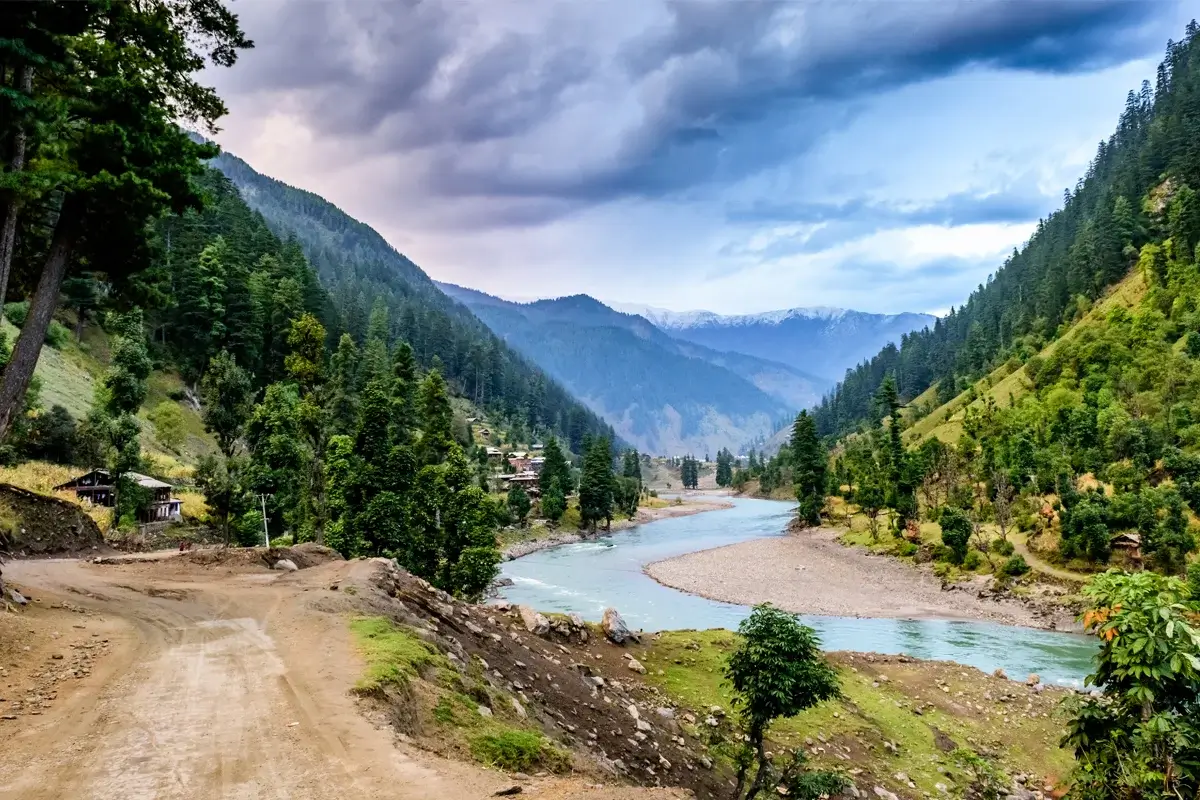
Azad Kashmir covers three areas that travellers treat as separate trips. The Neelum valley runs 200 km northeast from Muzaffarabad along the river to Taobat, and is what most people mean when they say Kashmir. The Poonch side around Rawalakot — Banjosa, Toli Peer — is lower, greener and far quieter. Muzaffarabad itself is the capital and the gateway to both.
Two things make planning here different from Gilgit-Baltistan or Swat. The roads are slower than the distances suggest, and check-post and permit requirements are stricter and change more often, because much of the region sits close to the Line of Control.
We run trips through Azad Kashmir roughly 35 times a season, so the timings and permit notes below come from our own recent experience.
Quick answer
Getting there: 8–10 hours from Islamabad to upper Neelum; 5–6 to Rawalakot.
Season: May to October for the upper valley. Ratti Gali and Chitta Katha open later.
Days needed: 4–5 for Neelum properly, 3 for the Rawalakot side.
Permits: Pakistani nationals need CNIC for check posts. Foreign nationals face additional restrictions that change — confirm before travelling.
Roads: paved to Keran and Sharda; 4x4 beyond, and for Ratti Gali.
Key facts
The numbers that decide most Azad Kashmir itineraries, in one place.
| Region | Azad Jammu and Kashmir |
| Capital | Muzaffarabad |
| Main valley | Neelum — roughly 200 km, Muzaffarabad to Taobat |
| Other areas | Rawalakot and Poonch; Bagh; Muzaffarabad district |
| Elevation, Keran | ~1,500 m |
| Elevation, Arang Kel | ~2,700 m |
| Elevation, Ratti Gali | ~3,700 m |
| Elevation, Chitta Katha | ~4,100 m |
| Drive time, Islamabad to Keran | 8–9 hours |
| Drive time, Islamabad to Rawalakot | 5–6 hours |
| Season | Roughly May to October for the upper valley |
| Mobile coverage | Patchy above Keran; special AJK SIM rules apply |
| Permits | CNIC for Pakistani nationals. Foreign nationals: confirm current rules |
Last verified: 25 June 2026 · Source: Pakistan Tour Maker operational records
How do you get there?
For Neelum, the route runs Islamabad to Muzaffarabad — around four hours on a good road — then northeast up the valley. Muzaffarabad to Keran is a further four to five hours on a narrow road that follows the river, and Sharda and Kel are longer again.
The distances look modest on a map and take far longer than expected. Do not plan to reach Kel from Islamabad in a day.
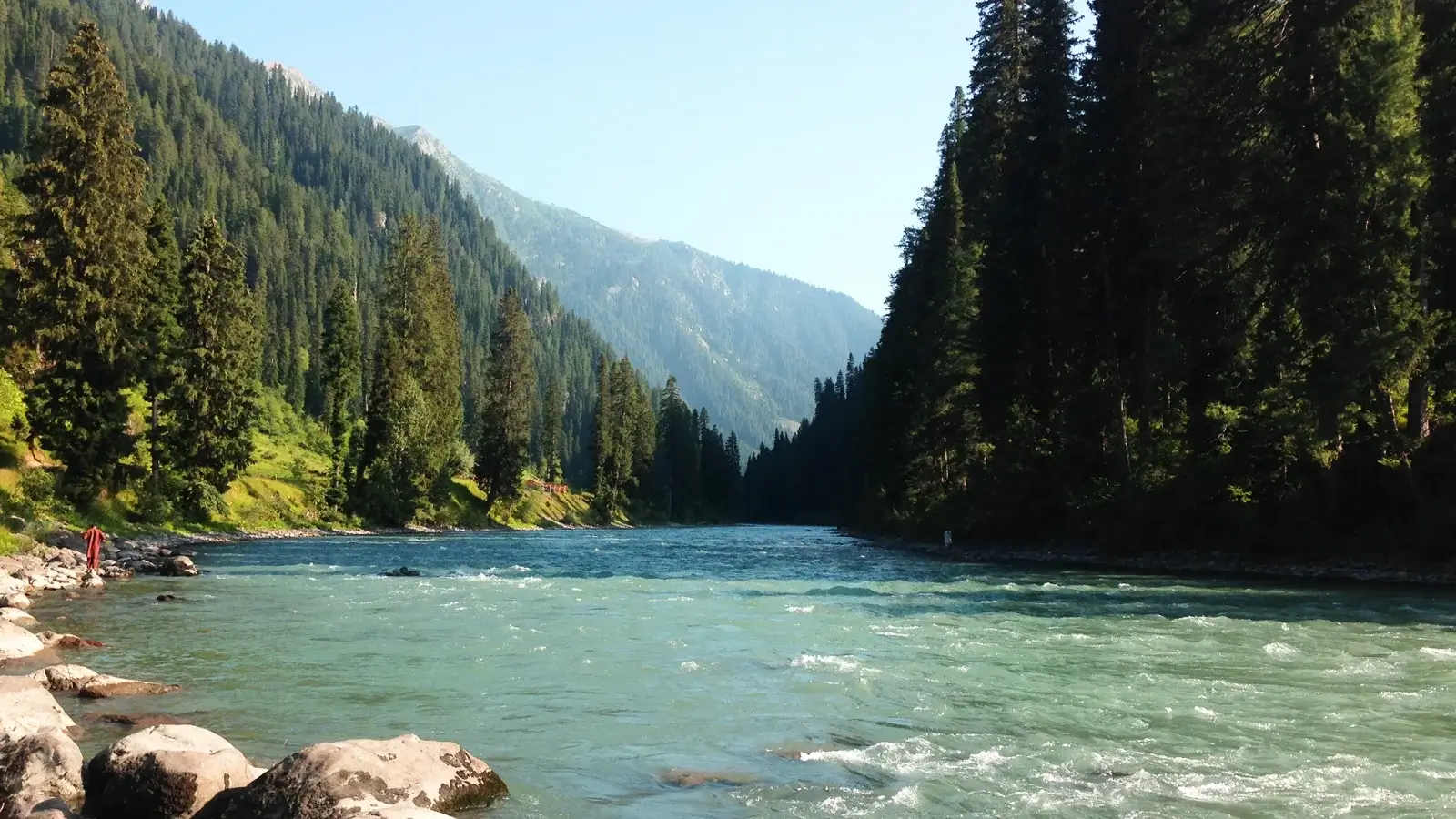
Vehicle. The road is paved and passable in a normal car as far as Keran and, in good conditions, Sharda. Beyond that, and for the tracks to Ratti Gali and the Shounter valley, you need a 4x4. Jeeps and drivers are available at Dowarian and Kel.
Rawalakot side. For Rawalakot the route is different — Islamabad to Rawalakot via Kohala or Azad Pattan, around five to six hours, and the roads are better. Banjosa and Toli Peer are short drives from the town.
Do not drive the Neelum valley road after dark. It is narrow, unlit, and in places has no barrier between the road and the river.
When to go
| Period | Conditions | Worth knowing |
|---|---|---|
| April–May | Lower valley green, upper still cold | Ratti Gali and Chitta Katha closed |
| June | Upper valley opening | Our own preference. Fewer crowds than July |
| July–August | Everything open, warmest | Peak season. Ratti Gali and Chitta Katha accessible. Crowded |
| September | Clear, quieter, cool nights | Best combination of access and quiet |
| October | Cold, facilities closing | High tracks closing |
| Nov–March | Snow, upper valley closed | Muzaffarabad and Rawalakot remain accessible |
Ratti Gali and Chitta Katha both sit above 3,700 m and are snowbound outside a short summer window — typically July and August. If either is your reason for going, confirm access before booking anything.
How many days do you need?
| Days | What is realistic |
|---|---|
| Three | Rawalakot side only — Banjosa, Toli Peer. Or lower Neelum to Keran. |
| Four | Neelum to Sharda and back. The realistic minimum for the valley. |
| Five | Neelum to Kel and Arang Kel, at a sane pace. |
| Six or seven | Adds Ratti Gali, or the Shounter valley and Chitta Katha. |
| Two separate trips | Neelum and the Poonch side do not combine well — different corridors. Treat them as separate trips rather than a loop. |
The Neelum valley
Keran. The first main stop, riverside, with the Indian-administered side visible directly across the water. Busy in season and heavily built up along the river.
Sharda. Further up, quieter, and the usual overnight point. The ruins of an ancient learning centre sit above the village.
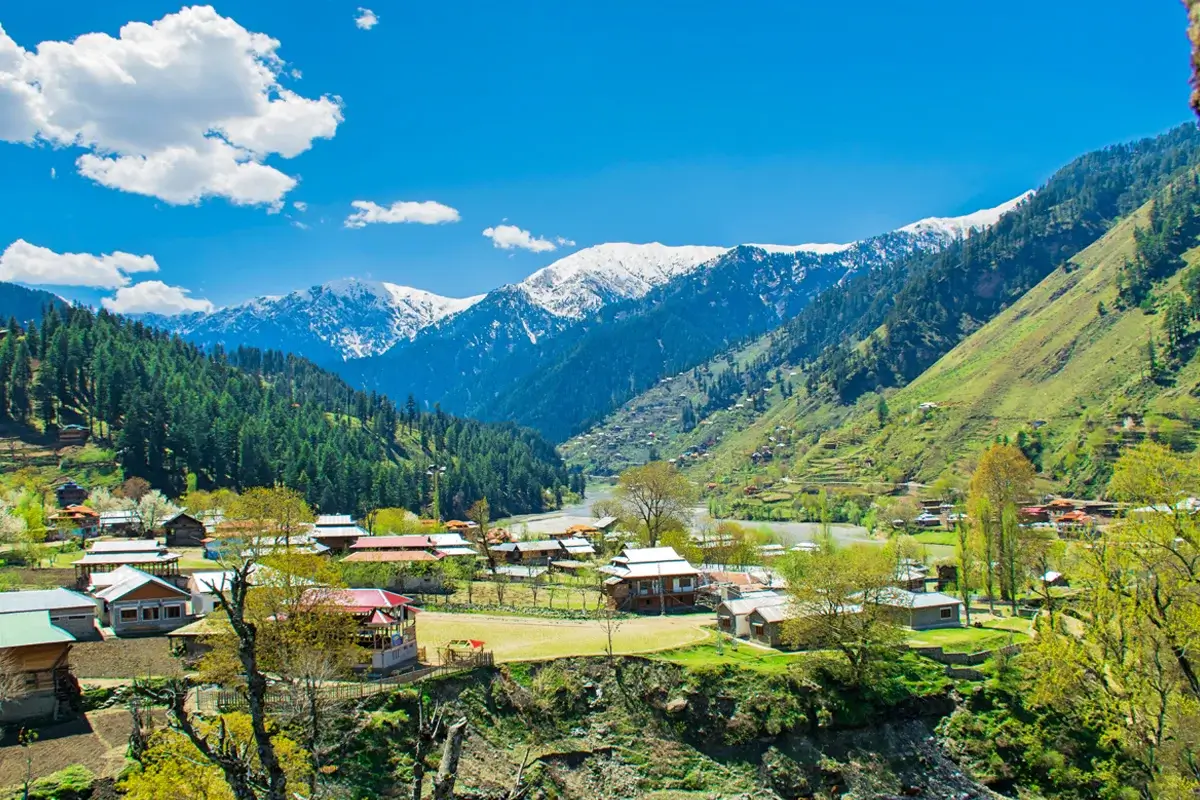
Kel and Arang Kel. Kel is the base; Arang Kel is the meadow village above it, reached by a chairlift and then a walk. For most visitors this is the highlight of the valley.
Taobat. The last village, near the end of the road. A long way for most itineraries, and genuinely remote.
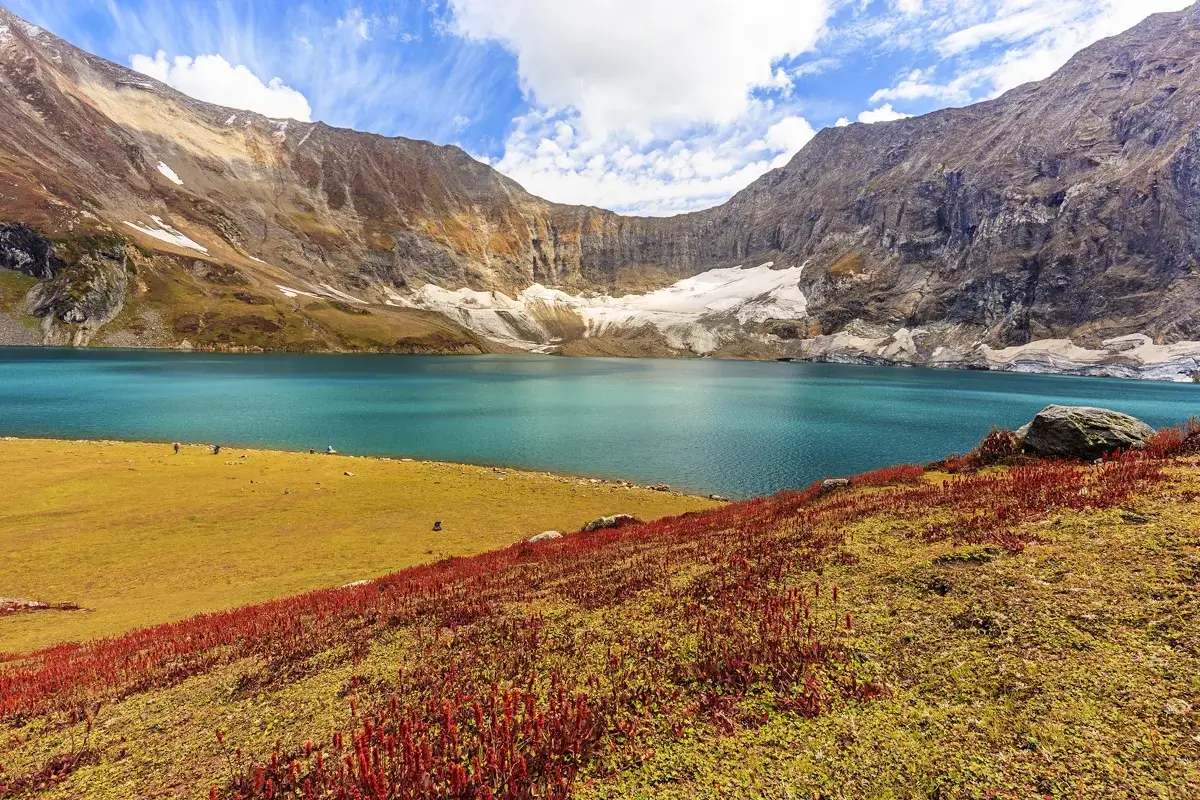
Ratti Gali Lake. Above Dowarian at around 3,700 m, reached by 4x4 and then on foot. Open only in the short summer window.
What tends to disappoint
The drive. Four to five hours from Muzaffarabad to Keran on a narrow road surprises people who looked at a map. The construction. Keran and parts of lower Neelum are heavily built up with riverside hotels, which is not what the photographs suggest. And the mobile signal — see the SIM card section below, because the situation here catches almost everyone out.
Chitta Katha and the Shounter valley
Chitta Katha sits at roughly 4,100 m in the Shounter valley, reached via Kel. It is one of the more rewarding treks accessible from a Pakistani city, and it is demanding — a 4x4 stage followed by a steep walk, at altitude, with weather that changes fast.
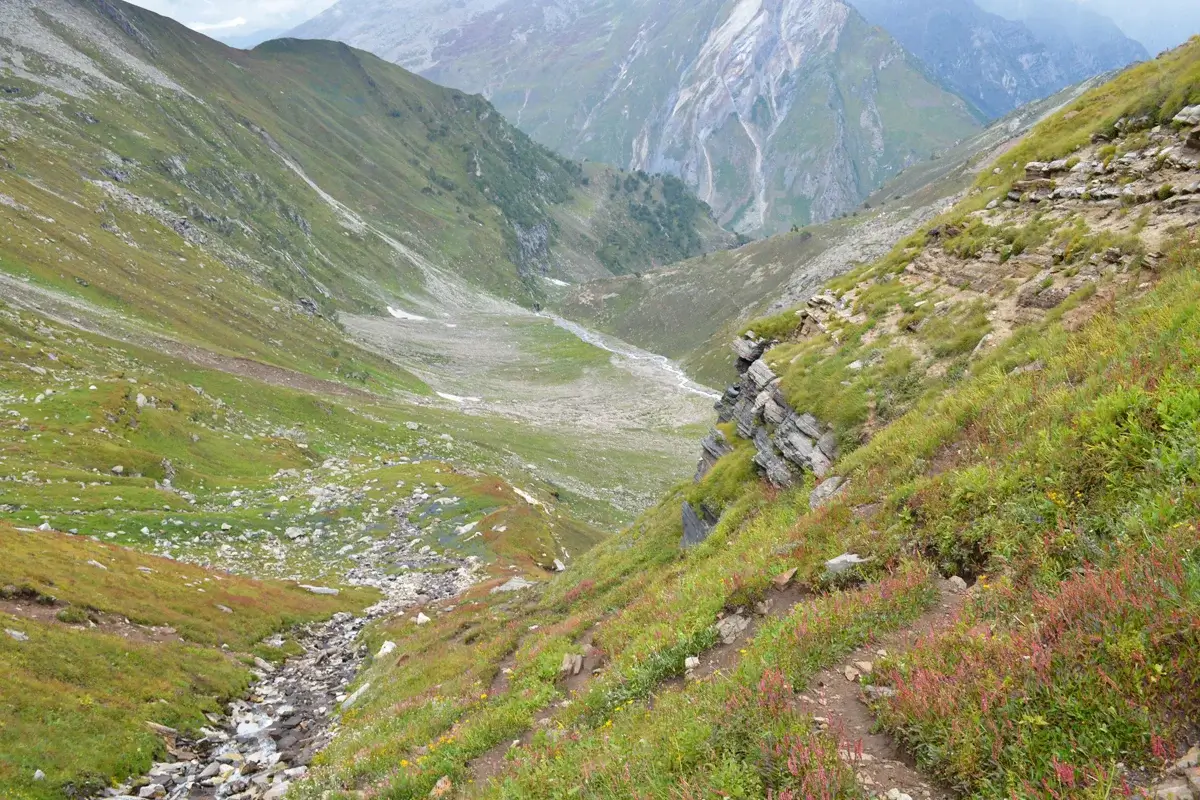
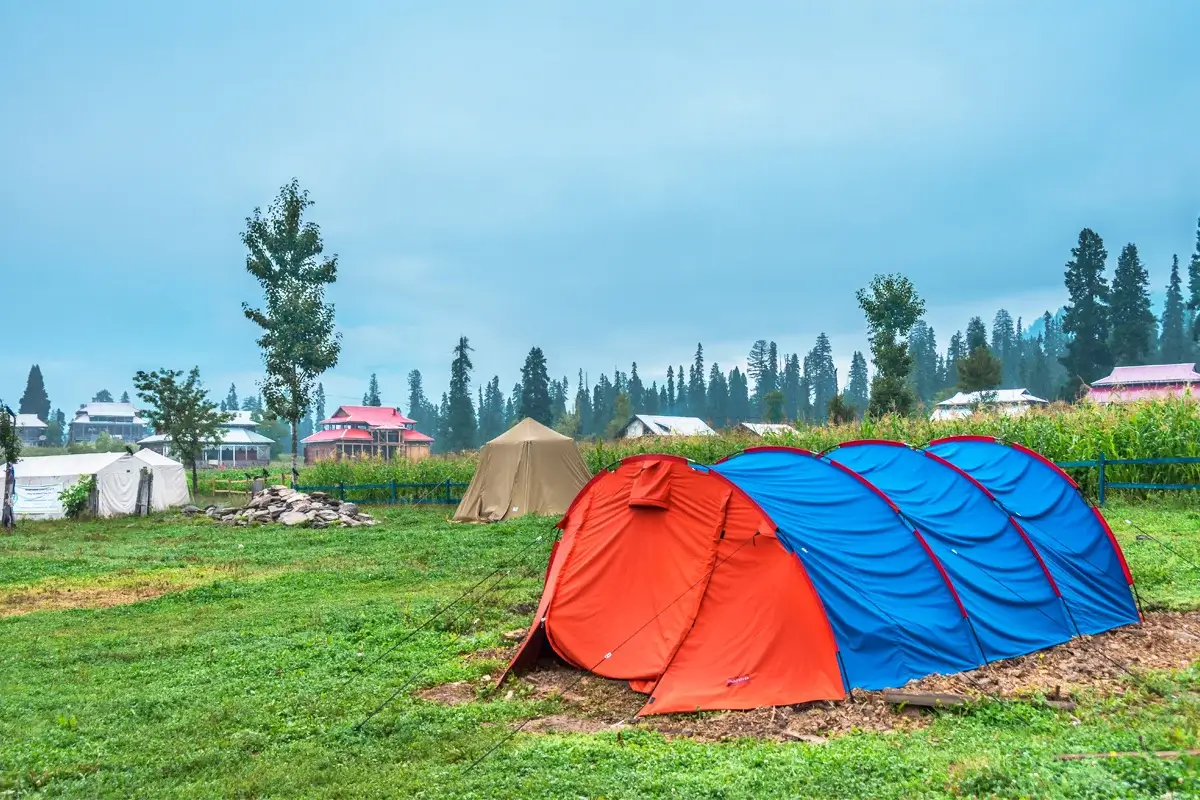
It is not a day trip from Kel for an unprepared walker. Most people camp. The season is short, and the track is impassable outside it.
We have a detailed route guide covering difficulty, camping and timing.
The Poonch side and Muzaffarabad
Rawalakot. The main town of Poonch, five to six hours from Islamabad on better roads than Neelum. A practical base rather than an attraction.
Banjosa Lake. A small forested lake near Rawalakot. Modest, pleasant, and very popular with domestic visitors.
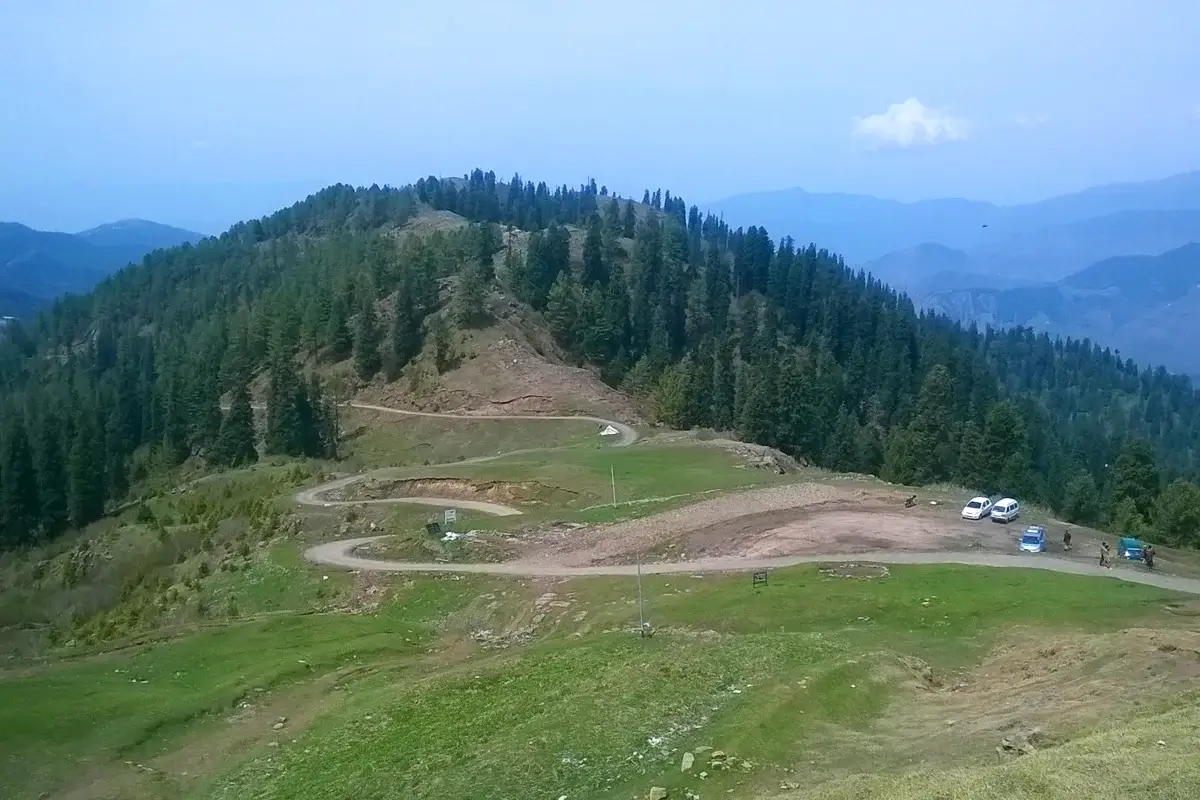
Toli Peer. A high meadow above Rawalakot at around 2,800 m with wide views. The best thing on this side of Azad Kashmir.
Muzaffarabad. The capital, and the junction for both valleys. Red Fort and the river confluence are worth an hour; most people pass through rather than stay.
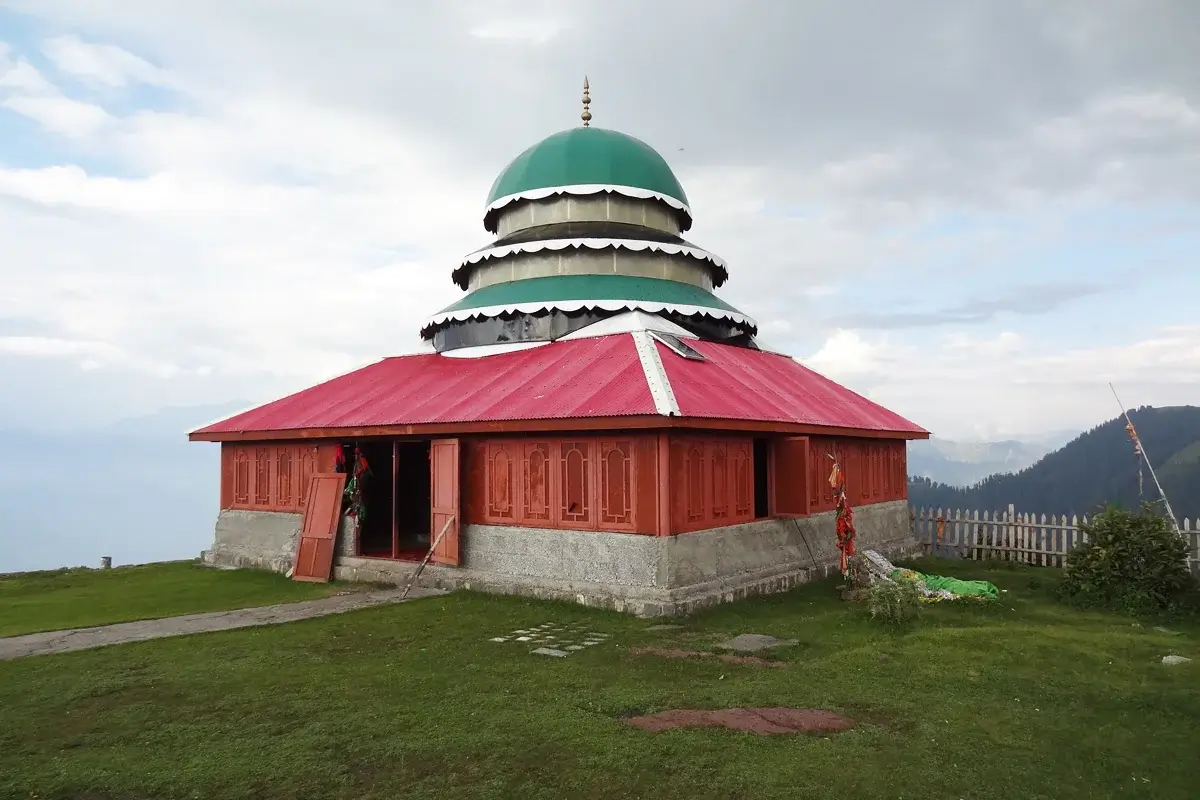
Pir Chinasi. A shrine and viewpoint about an hour above Muzaffarabad, easily done as a half day.
The Poonch side is a genuinely good option if you want green hills and quiet without the long Neelum drive. It is underrated, largely because Neelum takes all the attention.
Where should you stay?
Keran, Sharda and Kel all have riverside guest houses and hotels, ranging from basic to reasonable. Standards are lower than Swat or Naran and prices rise steeply in July and August.
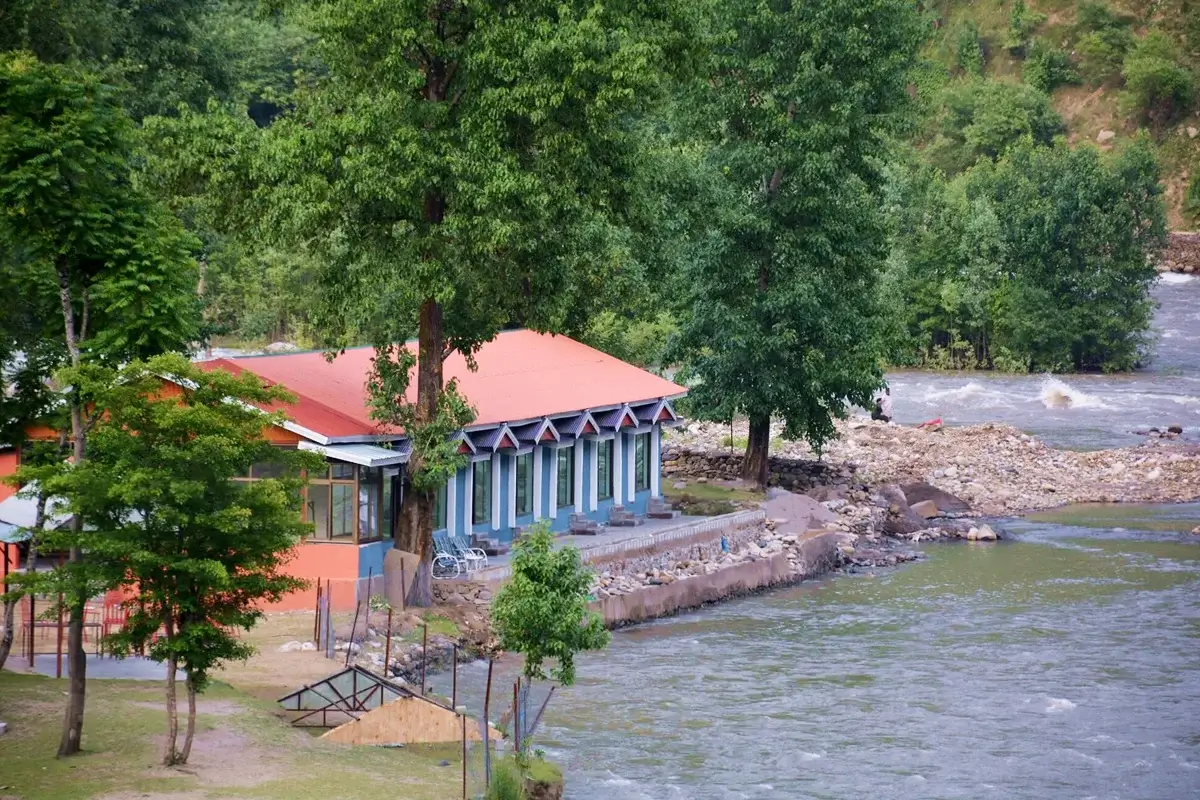
Book ahead in peak season — the valley has limited capacity and it fills. Arang Kel has simple guest houses if you want to stay up rather than return to Kel.
Permits, check posts and safety
Azad Kashmir is safe for tourists and is heavily visited by Pakistani families each summer. The distinctive requirement here is documentation.
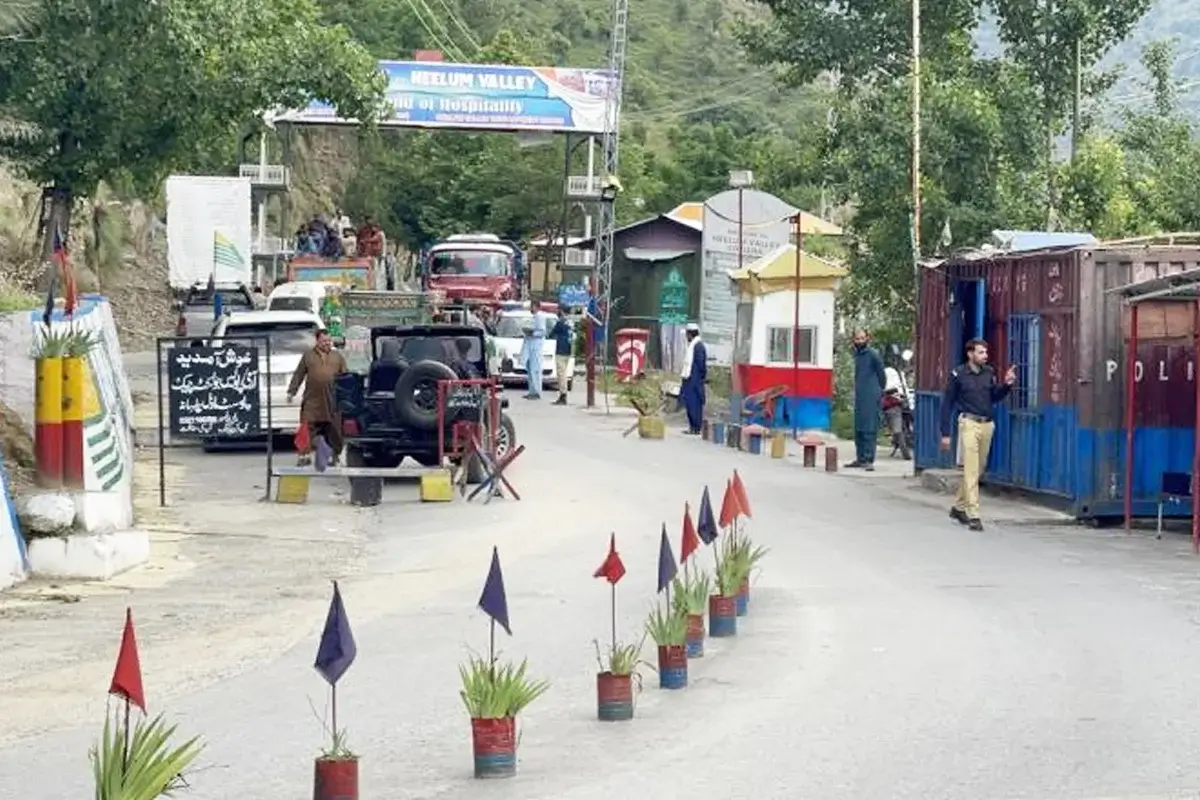
Pakistani nationals. Carry your CNIC and several photocopies. You will be recorded at multiple check posts on the way up the Neelum valley. It is routine, and having copies ready saves considerable time.
Foreign nationals. Requirements are stricter here than in Gilgit-Baltistan and they change. Some sections of the upper valley have additional restrictions. Confirm current rules before travelling rather than assuming — this is the part of Pakistan where an outdated assumption is most likely to end a trip at a barrier.
Do not photograph check posts, military installations or personnel anywhere in the region.
Other practical risks: the Neelum road at night, the river (fast and cold, with drownings every season), and weather on the high tracks.
The SIM card problem
This catches almost every visitor. Mobile networks in Azad Kashmir operate under separate arrangements from the rest of Pakistan, and a standard Pakistani SIM does not reliably work throughout the region — coverage degrades as you go up the Neelum valley and is absent in the upper sections regardless of network.
Plan for it, not around it
Tell people at home you will be uncontactable for stretches, download offline maps before you leave Muzaffarabad, and do not rely on being able to call a hotel to confirm a booking from the road.
Frequently asked questions
Do I need a permit for Neelum Valley?
Pakistani nationals need a CNIC and will be recorded at multiple check posts. Foreign nationals face additional restrictions that are stricter than in Gilgit-Baltistan and change over time — confirm current rules before travelling.
How long is the drive from Islamabad to Neelum?
Around four hours to Muzaffarabad, then four to five more to Keran. Sharda and Kel are longer. Do not plan to reach Kel from Islamabad in one day.
Can I drive my own car in Neelum?
To Keran and usually Sharda, yes. Beyond that, and for Ratti Gali and the Shounter valley, you need a 4x4.
When do Ratti Gali and Chitta Katha open?
Both sit above 3,700 m and are accessible only in a short summer window, typically July and August. Confirm before booking a trip around either.
Will my phone work in Neelum Valley?
Not reliably. Coverage degrades up the valley and is absent in the upper sections. Download offline maps and plan to be uncontactable for stretches.
Is Neelum or Rawalakot better?
Different trips. Neelum is more dramatic and much further; Rawalakot is greener, closer, and far quieter. They do not combine well — treat them as separate trips.
How difficult is the Chitta Katha trek?
Demanding. A 4x4 stage then a steep walk to about 4,100 m, with fast-changing weather. Most people camp. Not a casual day walk from Kel.
Is Azad Kashmir safe for families?
Yes, and it is heavily visited by Pakistani families each summer. Keep children away from the Neelum river, and do not drive the valley road at night.
Planning an Azad Kashmir trip?
We run 3 to 7 day trips to Neelum, Rawalakot and Muzaffarabad from Islamabad, Lahore and Karachi, with 4x4 transport where needed, verified accommodation, and check-post handling.
See Azad Kashmir tour packages Message us on WhatsAppLast updated: 26 July 2026 · Written and verified by the Pakistan Tour Maker team.
Pakistan Tour Maker is the international division of Click Pak Tourism Services, a Government of Pakistan licensed tour operator (Licence No. 9780), operating since 2013.