
Naran is a town in the Kaghan valley, Khyber Pakhtunkhwa, sitting at about 2,400 metres on the Kunhar river. It is roughly 270 km from Islamabad, and it is the base for most of what people come to this valley for: Lake Saif-ul-Malook above it, Lulusar and Babusar Pass north of it, and Shogran and Siri Paye below.
Three questions decide almost every Naran trip. Is Babusar open? Will my car make it to Saif-ul-Malook? And how bad is the traffic going to be? This page answers those first.
We run trips through this valley roughly 40 to 50 times a season, so the fares and timings below come from our own records rather than from other websites.
Quick answer
Getting there: around 6 to 7 hours from Islamabad, 11–12 from Lahore.
Season: the valley opens roughly June and closes with snow around September.
Babusar Pass: open roughly mid June to mid September only.
Saif-ul-Malook: 9 km by jeep from Naran. A normal car cannot do it.
Days needed: 3 minimum, 4 to include Shogran and Babusar properly.
Key facts
The numbers that decide most Naran itineraries, in one place.
| Region | Kaghan Valley, Mansehra District, Khyber Pakhtunkhwa |
| Main town | Naran |
| Elevation, Naran | ~2,400 m |
| Elevation, Saif-ul-Malook | ~3,200 m |
| Elevation, Babusar Pass | 4,173 m |
| Distance from Islamabad | ~270 km |
| Drive time from Islamabad | 6 to 7 hours |
| Drive time from Lahore | 11–12 hours |
| River | Kunhar |
| Valley season | Typically June to September |
| Babusar Pass season | Roughly mid June to mid September only |
| Mobile coverage | Reasonable in Naran, patchy above it |
| Permits | Not required for Pakistani nationals |
Last verified: 21 August 2026 · Source: Pakistan Tour Maker operational records
How do you get to Naran?
The route from Islamabad runs the Hazara Motorway to Mansehra, then Balakot, then up the Kaghan valley along the Kunhar. It is around 6 to 7 hours in normal traffic. From Lahore add roughly four and a half hours.
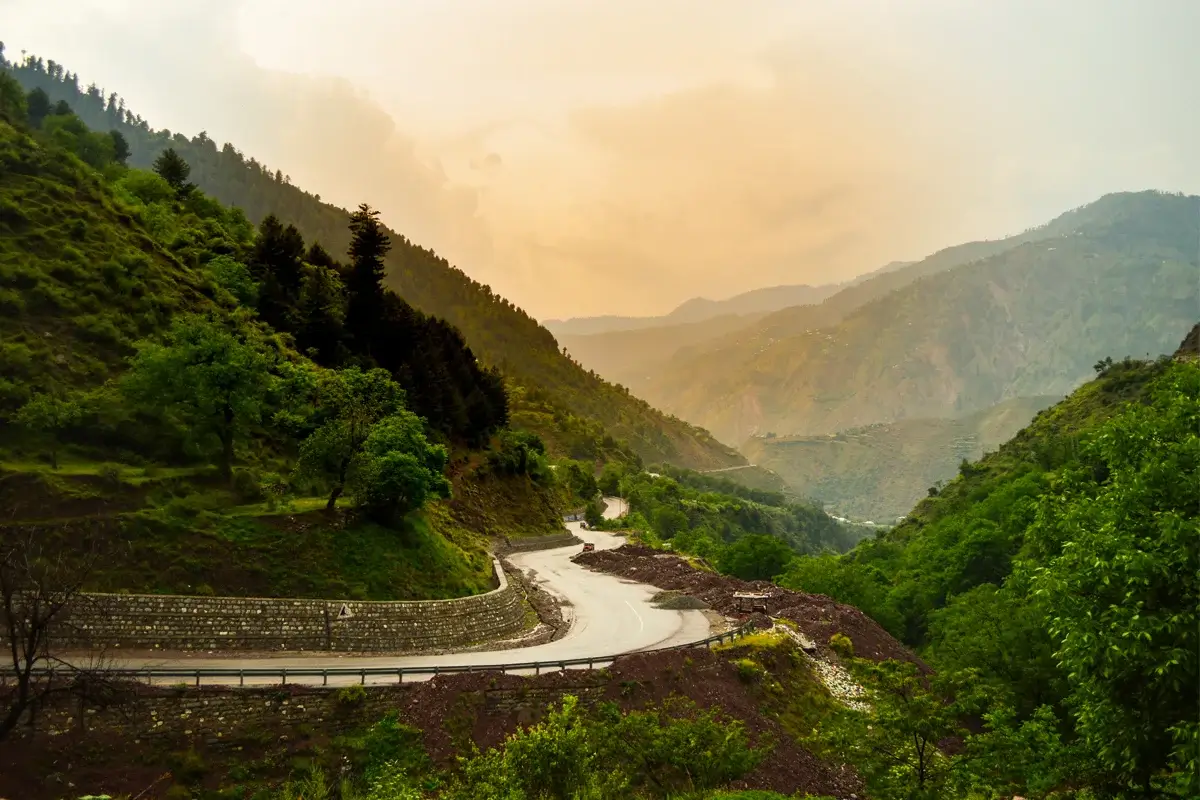
The road is paved the whole way to Naran and a normal car is fine, though the stretch above Kaghan town is narrow and slow. What catches people out is not the road surface but the traffic — on July and August weekends the Balakot to Naran section can add two or three hours to the journey.
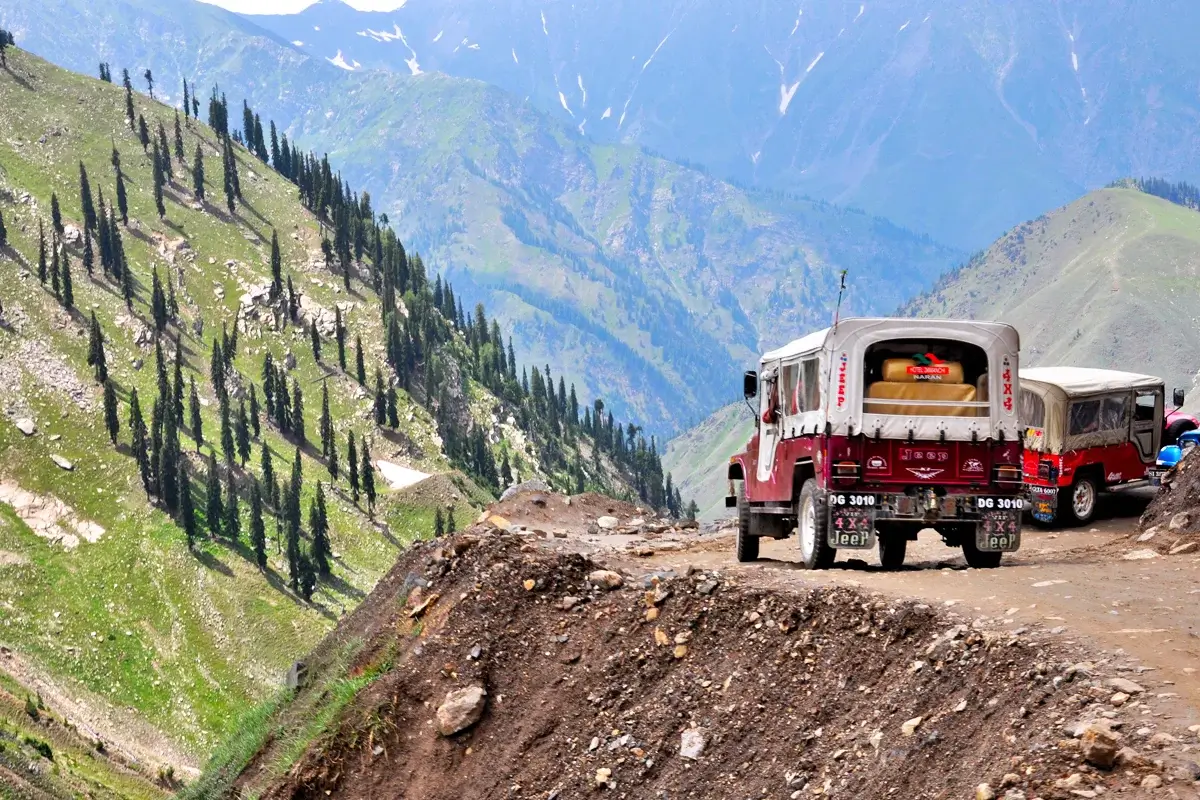
Beyond Naran: the 9 km to Saif-ul-Malook is a jeep track and needs a 4x4. Do not attempt it in a car — the track is rough and every season a number of people damage their vehicles trying.
Jeeps. Jeeps wait at the Naran stand; current rates are around 5,500 PKR per vehicle return.
Timing. Leave Islamabad by 6 am to reach Naran in daylight with a stop. Avoid arriving on a Friday evening in peak season unless you have a booking, and do not drive the Kaghan road after dark.
When to go — and the Babusar question
| Period | Conditions | Worth knowing |
|---|---|---|
| Before May | Valley closed by snow | Naran itself is inaccessible in deep winter |
| May | Valley opening, cold, quiet | Saif-ul-Malook may still be frozen; Babusar closed |
| June | Green, good conditions | Our own preference. Babusar usually opening |
| July–August | Everything open, warmest | Peak season. Heavy traffic and steep price rises |
| September | Clear, thinning crowds | Best combination of access and quiet |
| October | Cold, closing down | Babusar closes; facilities shutting |
Babusar Pass is the question everyone asks. At 4,173 m it connects the Kaghan valley to the Karakoram Highway near Chilas, which makes a Naran-to-Hunza route possible without backtracking. It typically opens in June and closes mid September, but the dates move by weeks depending on snowfall, and the road is occasionally closed mid-season after landslides.
If your plan depends on Babusar, confirm it is open within a few days of travelling. Do not rely on a date published months in advance, including this one.
How many days do you need?
| Days | What is realistic |
|---|---|
| Two | Naran and Saif-ul-Malook only, and both days largely spent driving. Not recommended. |
| Three | Naran, Saif-ul-Malook, and Lulusar. The realistic minimum. |
| Four | Adds Shogran and Siri Paye, or Babusar Pass. The trip most people should book. |
| Five | Both of the above, at a sane pace, with slack for traffic. |
| Six or more | Naran continuing over Babusar into Gilgit-Baltistan — a genuinely good route when the pass is open. |
What is worth seeing?
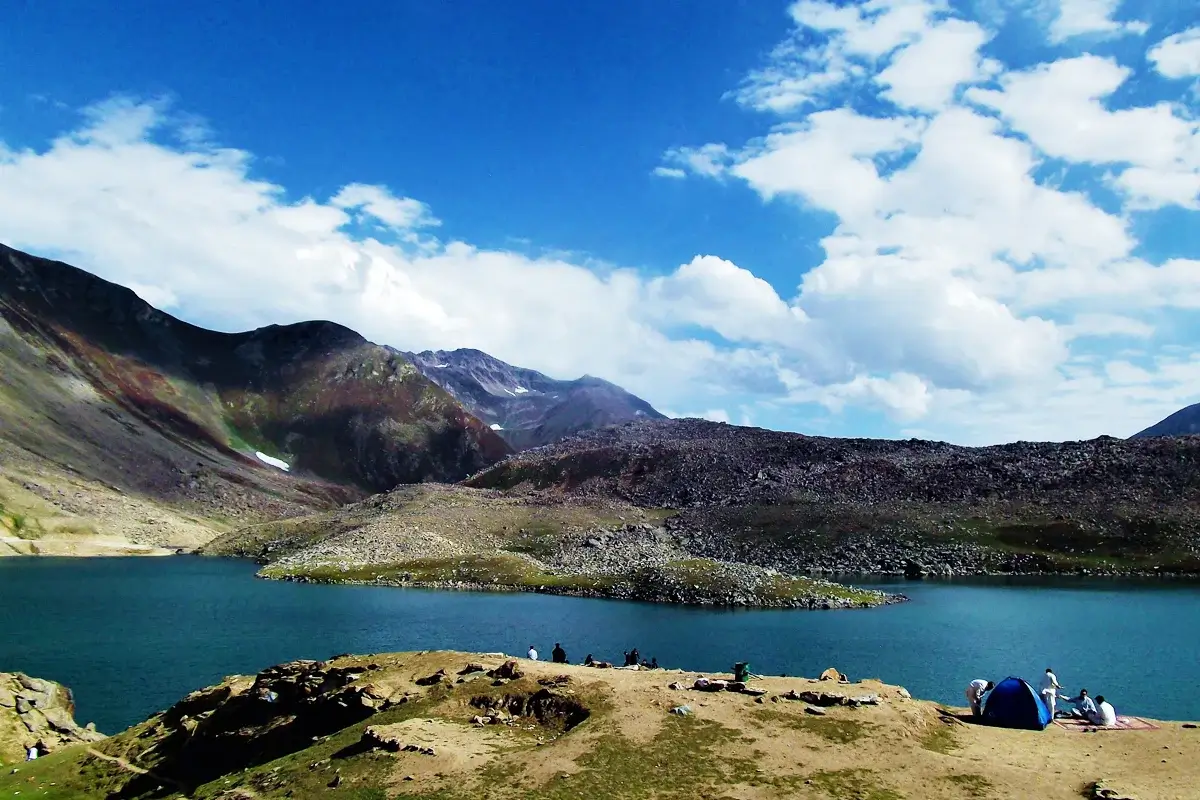
Lake Saif-ul-Malook. At about 3,200 m below Malika Parbat, 9 km by jeep above Naran. It is the reason most people come and it deserves the reputation. It is also extremely busy in July and August — go at first light or late afternoon and it is a different place.
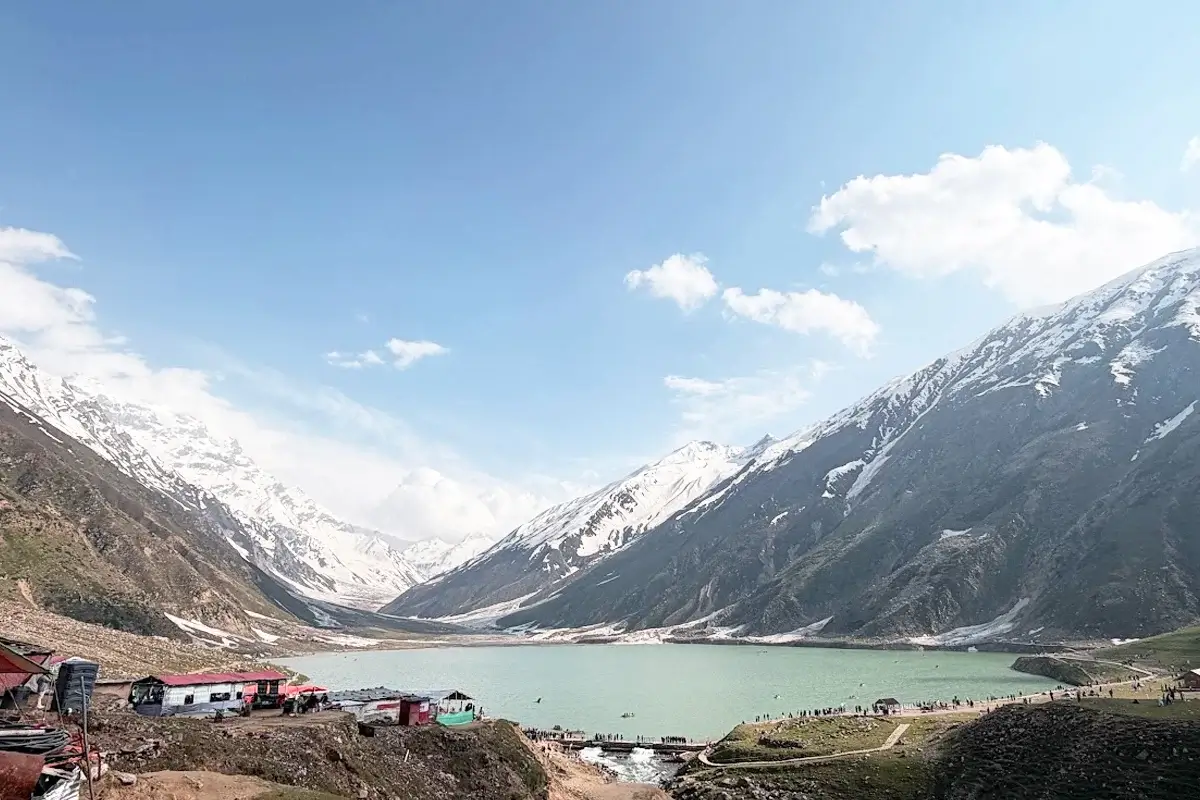
Lulusar Lake. On the road north towards Babusar, roadside, no trek required. Larger and far quieter than Saif-ul-Malook, and in our view the better lake if you only see one.
Shogran and Siri Paye. Below Naran, reached by jeep from Kiwai. Siri Paye is a high meadow with Makra Peak behind it. Popular with families and much easier than anything above Naran.
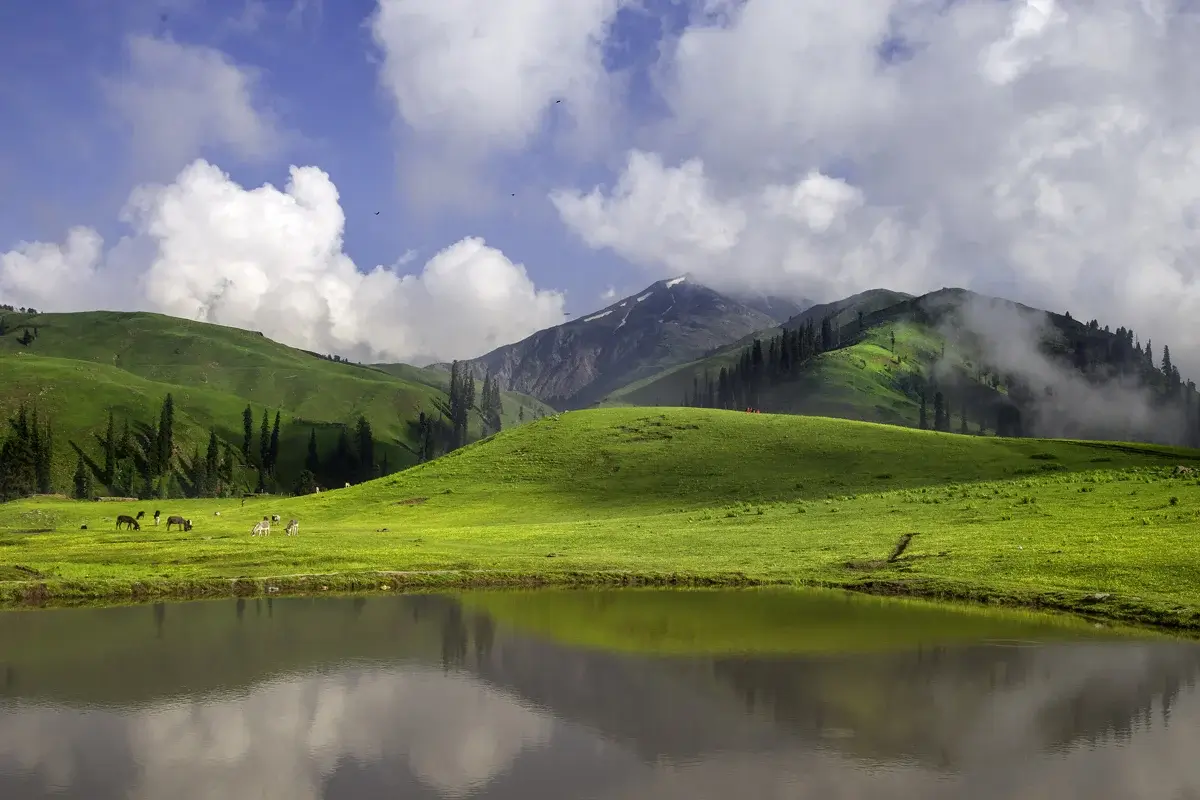
Babusar Pass. A high crossing at 4,173 m with genuinely wide views. Worth doing when open, both for itself and because it opens the route north.
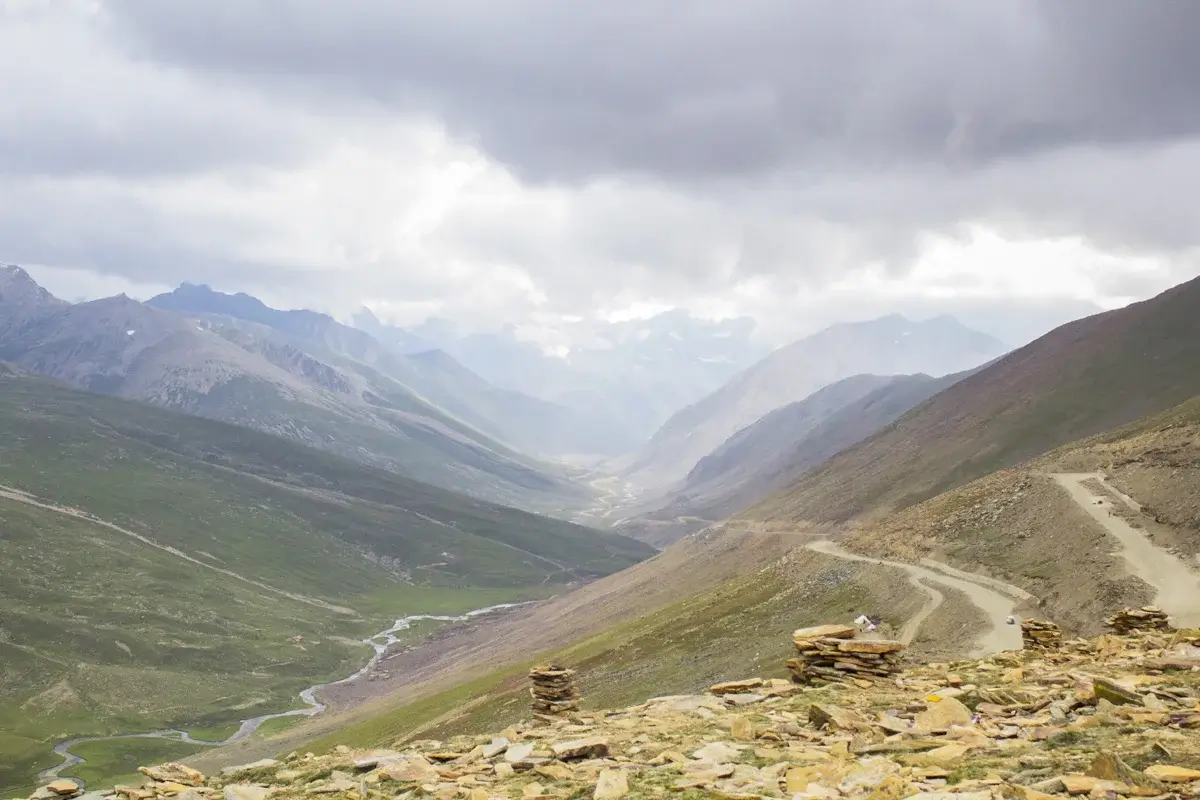
The Kunhar river. Runs the length of the valley. Fast, very cold, and dangerous — see the safety section.
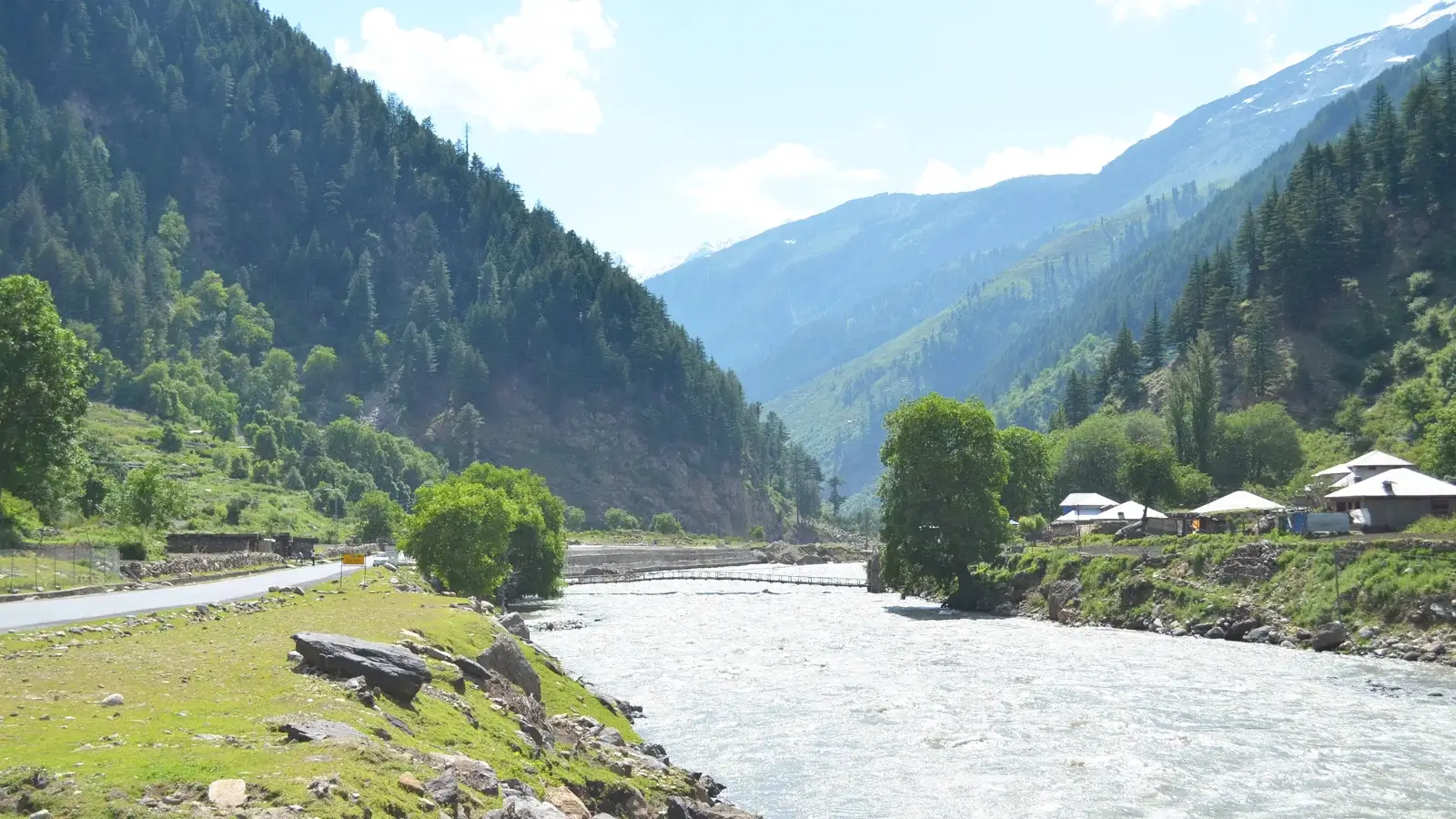
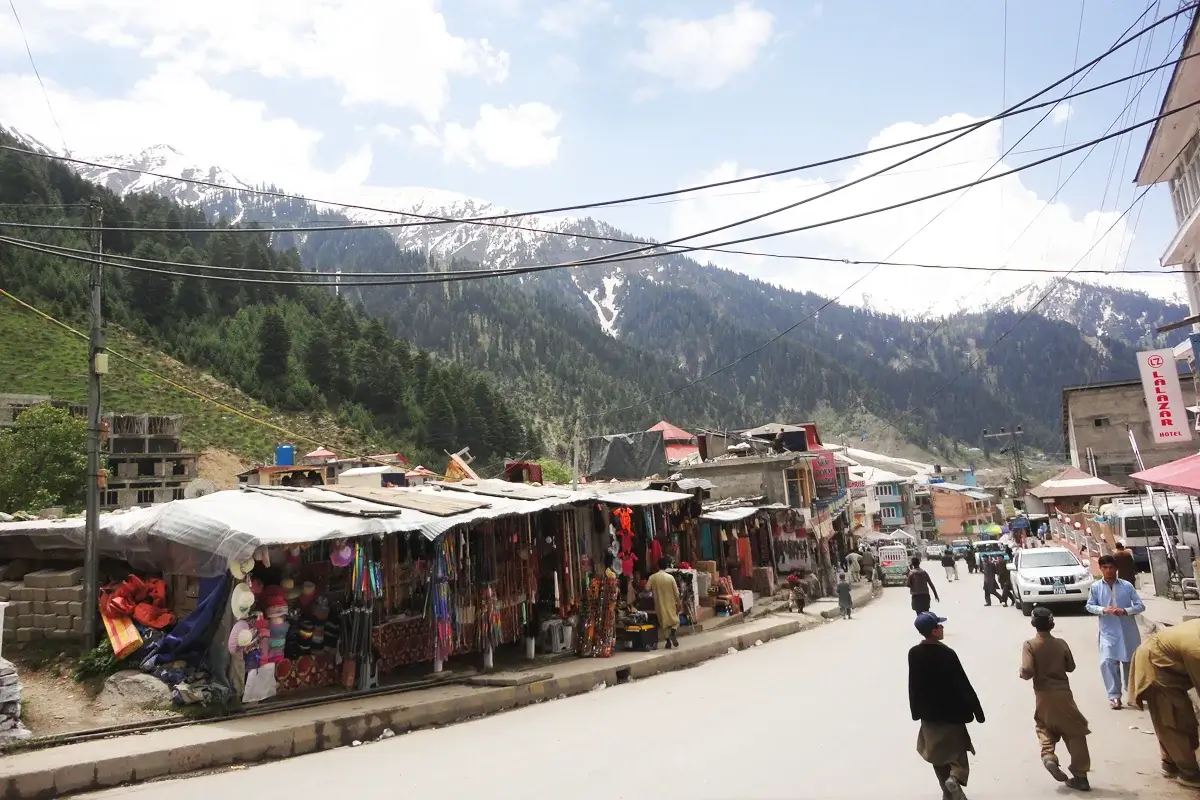
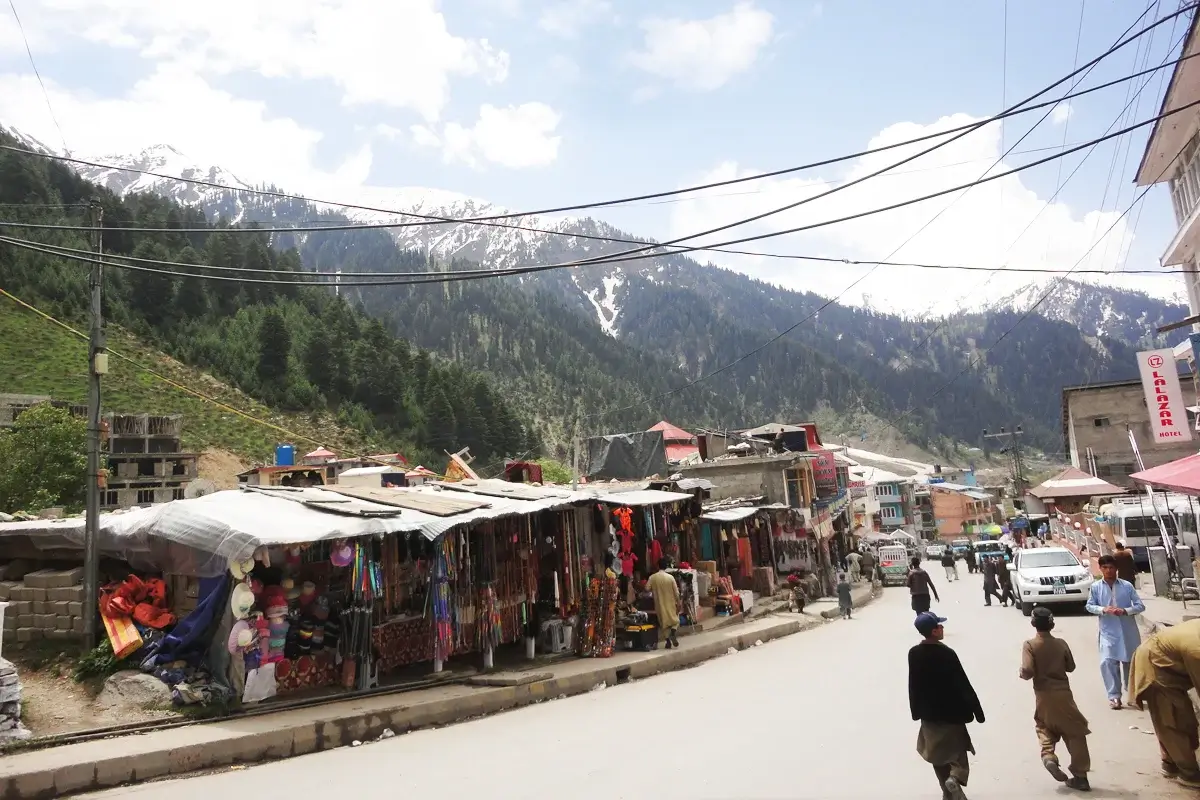
Naran town. A functional bazaar with hotels and restaurants. Not a place to linger, and nobody comes here for the town itself.
What tends to disappoint
The crowds. Saif-ul-Malook in peak August has hundreds of jeeps and a queue at the lakeside. It is nothing like the empty photographs. The traffic. Weekend jams between Balakot and Naran routinely add hours. And the litter at the main lake in high season is a real problem — carry your own rubbish out, because the bins will be overflowing.
Ansoo Lake — read this before attempting it
Ansoo Lake sits high above Saif-ul-Malook and is reached on foot. It is not a casual walk. The trek takes a full day, involves sustained climbing at altitude, and the weather changes quickly — the route is frequently in cloud, which is why so many people reach it and see nothing.
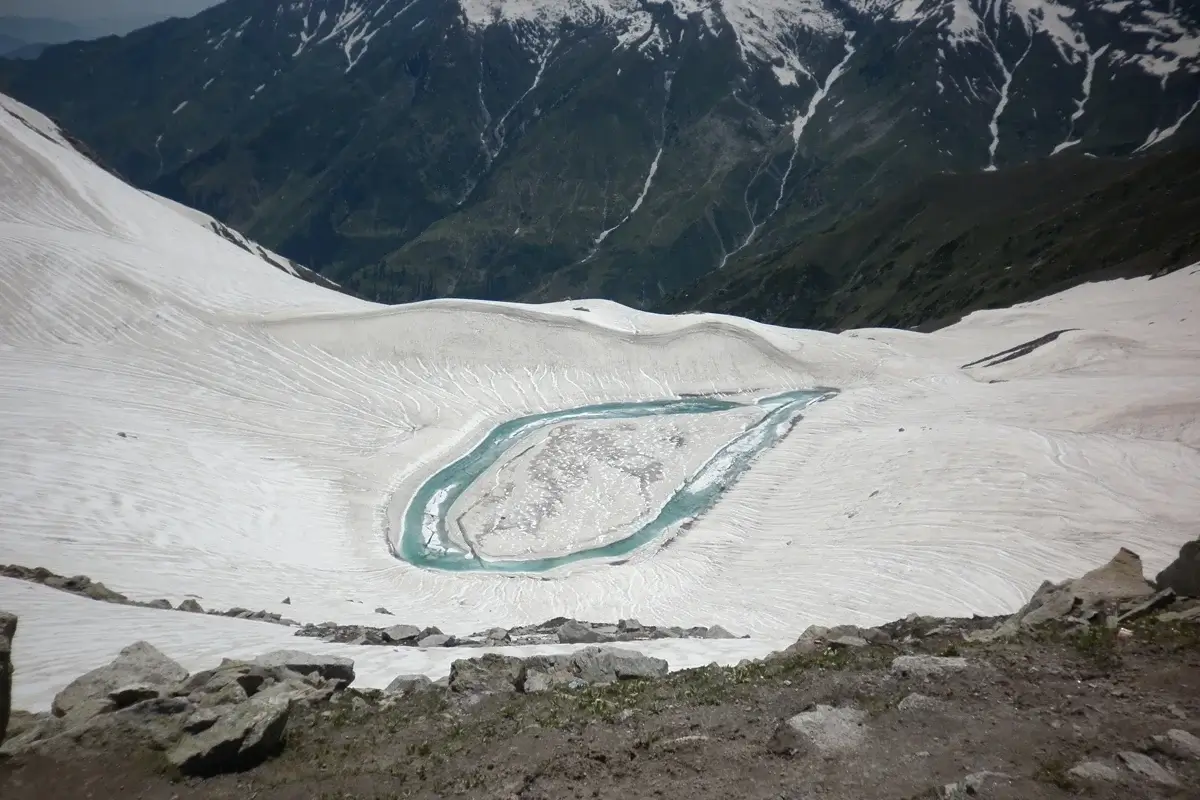
Do not attempt this casually. It needs an early start, proper shoes, warm layers, and a guide who knows the route. People do get lost on this trek, and mountain rescue here is not a service you can rely on.
If you are not an experienced walker, be honest with yourself. Lulusar and Siri Paye give you high-country scenery without the risk.
Is Naran safe?
Naran is safe for tourists and families, and it is one of the most heavily visited valleys in Pakistan every summer. The risks are practical, not security-related.
- The Kunhar river. Fast, very cold, and the cause of drownings every single season — usually people wading or standing on wet rocks for photographs. Keep children well away from the banks.
- The jeep track to Saif-ul-Malook. Rough and steep in places. Use a local driver and do not attempt it in a car.
- Ansoo Lake. Genuinely demanding. Do not attempt it casually or without a guide.
- Altitude. Babusar at 4,173 m affects people who felt fine in Naran at 2,400 m.
- Weather. Rain closes the upper tracks. Build a spare day into any Babusar plan.
Where should you stay?
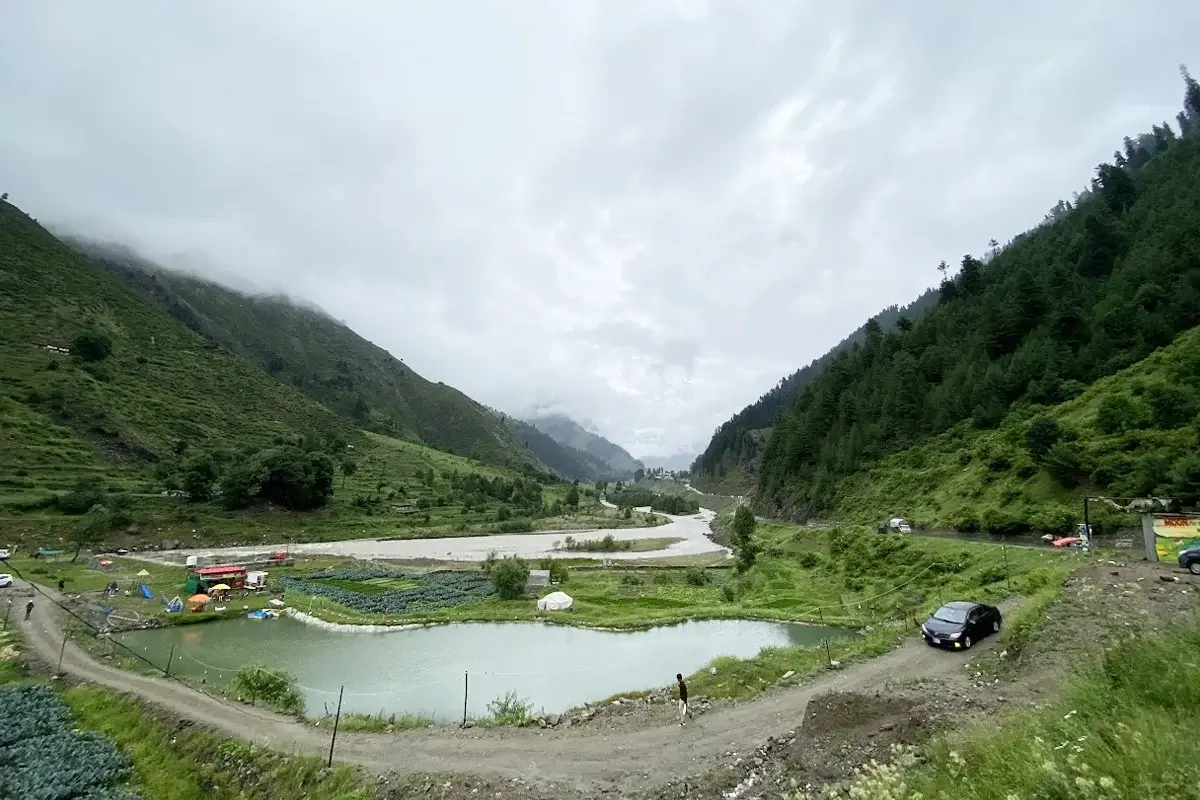
Naran. The obvious base — everything above the valley is a day trip from here. Standards vary widely and prices in July and August are several times the shoulder-season rate. Riverside rooms cost more and are worth it.
Shogran. Lower, greener, and considerably quieter. Good choice for families, and a better base if Siri Paye rather than Saif-ul-Malook is your priority.
Kaghan or Balakot. Cheaper and less scenic, useful if Naran is fully booked or you arrive late.
Peak-season weekends book out weeks ahead across the valley. This is not somewhere to improvise accommodation in August.
Frequently asked questions
When does Babusar Pass open?
Typically mid June to mid September, but the dates shift by weeks with snowfall and the road occasionally closes mid-season after landslides. Confirm within a few days of travelling rather than relying on a published date.
Can I drive my own car to Saif-ul-Malook?
No. The 9 km from Naran is a rough jeep track requiring a 4x4. Park in Naran and hire a local jeep — rates are around 5,500 PKR per vehicle return.
How long is the drive from Islamabad to Naran?
Around 6 to 7 hours in normal conditions. On July and August weekends, traffic between Balakot and Naran can add two to three hours.
Is Naran open in winter?
No. The valley closes with snow, typically from around mid October to May. Shogran and Balakot remain accessible longer.
How difficult is the Ansoo Lake trek?
Genuinely demanding — a full day, sustained climbing at altitude, and frequently in cloud. It needs an early start, proper equipment and a guide. Not a casual walk.
Which lake is better, Saif-ul-Malook or Lulusar?
Saif-ul-Malook is more famous and more crowded. Lulusar is larger, roadside, and much quieter. If you only see one and are not set on the famous name, Lulusar is the better experience.
Is Naran suitable for families?
Yes, and it is heavily visited by Pakistani families. Saif-ul-Malook and Siri Paye are both accessible by jeep. Keep children away from the Kunhar river.
Can I go from Naran to Hunza directly?
Yes, over Babusar Pass to the Karakoram Highway near Chilas, when the pass is open. It is a good route and saves backtracking. Outside the Babusar season you return via Mansehra.
Planning a Naran trip?
We run 3 to 6 day Naran and Kaghan trips from Islamabad, Lahore and Karachi, with transport, verified hotels, and jeep transfers to Saif-ul-Malook and Siri Paye included.
See Naran Kaghan tour packages Message us on WhatsAppLast updated: 21 August 2026 · Written and verified by the Pakistan Tour Maker team.
Pakistan Tour Maker is the international division of Click Pak Tourism Services, a Government of Pakistan licensed tour operator (Licence No. 9780), operating since 2013.