
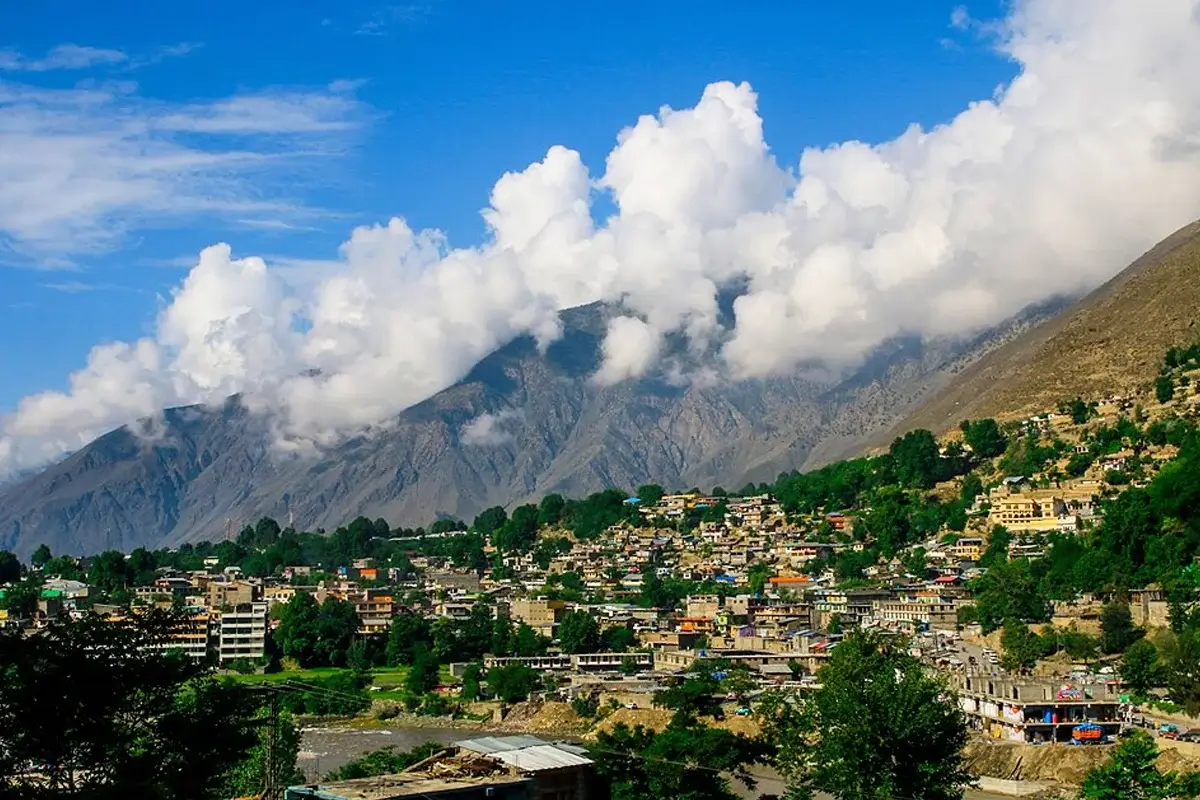
Chitral is a district and a town in the far northwest of Khyber Pakhtunkhwa, sitting in the Hindu Kush below Tirich Mir at 7,708 metres — the highest peak in the range. It borders Afghanistan on two sides, and until the Lowari Tunnel opened it was cut off by snow for months each year.
Most people come here on the way to somewhere else: the Kalash valleys south of the town, or over Shandur to Gilgit. That is a reasonable way to treat it, but it undersells what is here.
This page covers the logistics — how to get in, how long it takes, where to stay — and what is worth your time in the district itself.
We run trips through Chitral roughly 20 to 22 times a season, mostly around the Kalash festival calendar.
Quick answer
Getting there: 10–12 hours from Islamabad via Dir and the Lowari Tunnel, which keeps the road open year-round.
Chitral to Kalash: about 2 hours to Bumburet via Ayun.
Shandur route to Gilgit: open roughly May to October only, and slow.
Days needed: 2–3 as a base, more if you are attending a Kalash festival.
Permits: foreign nationals should confirm current requirements for the district and the Kalash valleys before travelling.
Key facts
The numbers that decide most Chitral itineraries, in one place.
| Location | Chitral District, Khyber Pakhtunkhwa, bordering Afghanistan |
| Gateway route | Mardan → Dir → Lowari Tunnel |
| Drive time from Islamabad | 10 to 12 hours |
| Access | Year-round via Lowari Tunnel; road previously closed by snow for months |
| Highest peak | Tirich Mir, 7,708 m — highest in the Hindu Kush |
| Kalash valleys | Bumburet, Rumbur, Birir — reached via Ayun |
| Chitral to Bumburet | ~2 hours via Ayun |
| Shandur Pass elevation | ~3,700 m |
| Shandur season | Roughly May to October only |
| Air access | Intermittent, weather-dependent — don't rely on it |
| Permits | Not required for Pakistani nationals; foreign nationals should confirm current rules |
Last verified: 21 August 2026 · Source: Pakistan Tour Maker operational records
How do you get to Chitral?
The road route from Islamabad runs through Mardan and Dir, then through the Lowari Tunnel into the Chitral valley — roughly 10 to 12 hours in total. Before the tunnel opened, the Lowari Pass closed with snow for several months a year and Chitral was reachable only by air or a long detour through Afghanistan. The tunnel changed that, and the district is now accessible year-round.
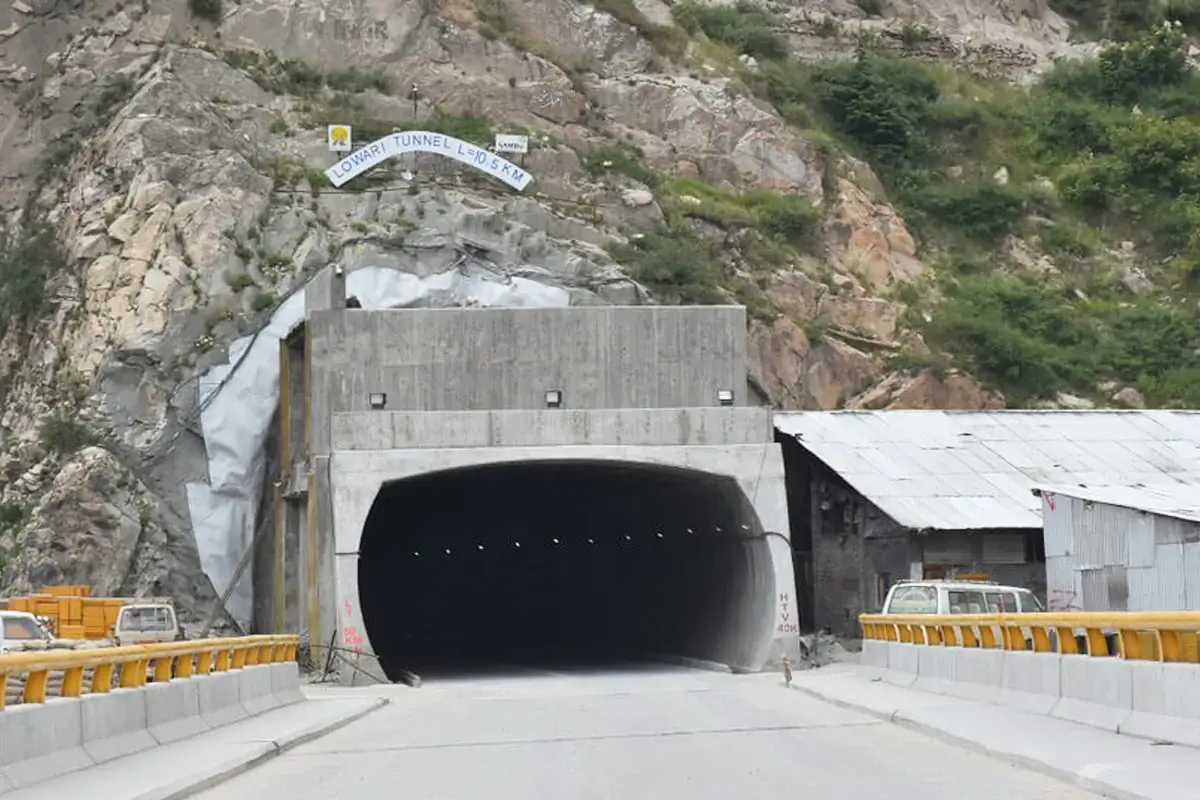
Confirm before you travel: tunnel timing restrictions have applied at times, including convoy or hour-based arrangements. Check current status before setting a departure time.
By air. Flights to Chitral from Islamabad and Peshawar operate intermittently and are weather-dependent, in the same way as Gilgit and Skardu. Do not build a fixed itinerary around one.
Via Shandur. The route east over Shandur Pass to Gilgit is spectacular and slow, on a rough road at around 3,700 m. It is open only in summer — roughly May to October — and it is a full day's drive. Worth doing as an experience, not as an efficient way to move between regions.
Combining Chitral with Swat is straightforward, since both are reached via Dir. Combining it with Hunza means either the Shandur route in season or a long backtrack.
When is the best time to visit?
| Period | Conditions | Worth knowing |
|---|---|---|
| April–May | Spring, valleys green | Chilam Joshi festival in the Kalash valleys |
| June–August | Warm, everything open | Shandur open. Polo tournament in summer. Uchal festival |
| September–October | Clear, cooler, quiet | Best walking weather |
| November–February | Cold, snow, Shandur closed | Choimus festival in the Kalash valleys. Tunnel keeps the town accessible |
Accommodation in Chitral and the Kalash valleys is limited, and it books out entirely during festival weeks. If you are travelling for Chilam Joshi or Choimus, book months rather than weeks ahead.
Chitral town and district
Chitral town. A working bazaar town on the river below Tirich Mir. Modest, and the practical base for everything in the district. Two or three days is enough unless you are using it as a springboard.
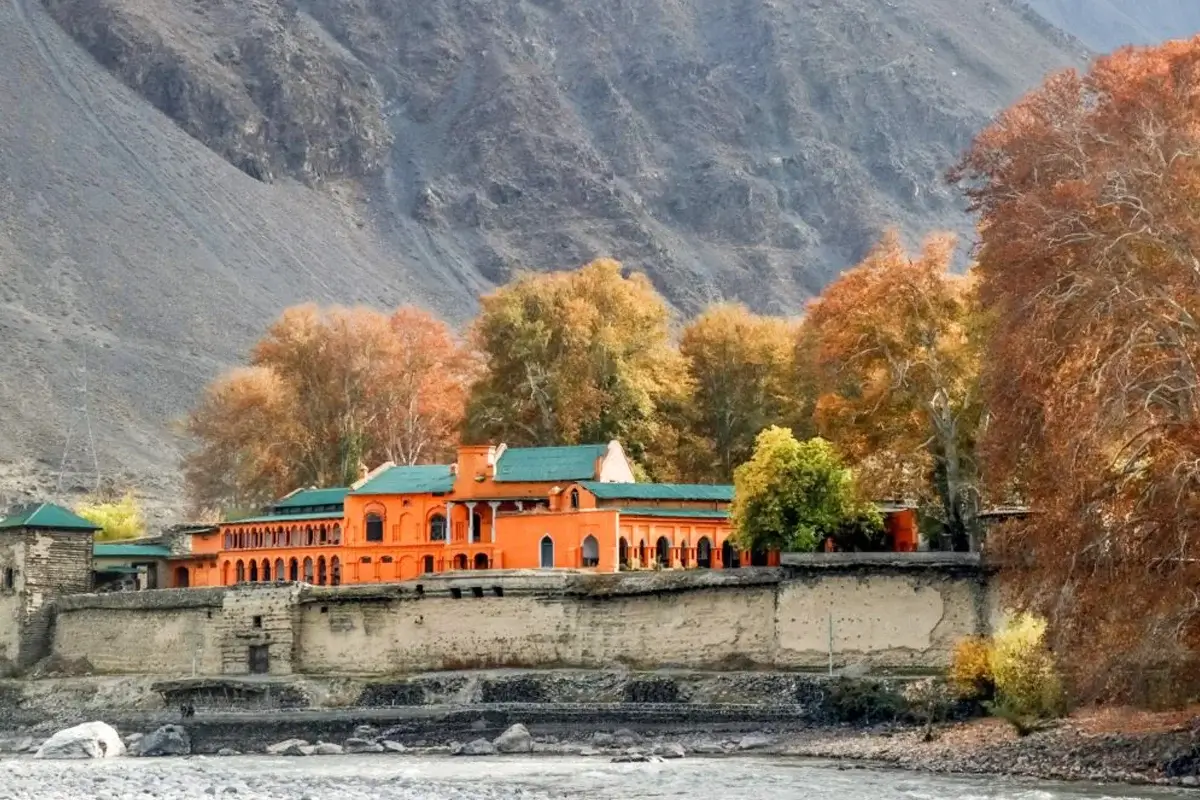
Chitral Fort. Beside the river, the former seat of the Mehtars who ruled Chitral until it was absorbed into Pakistan. Worth an hour.
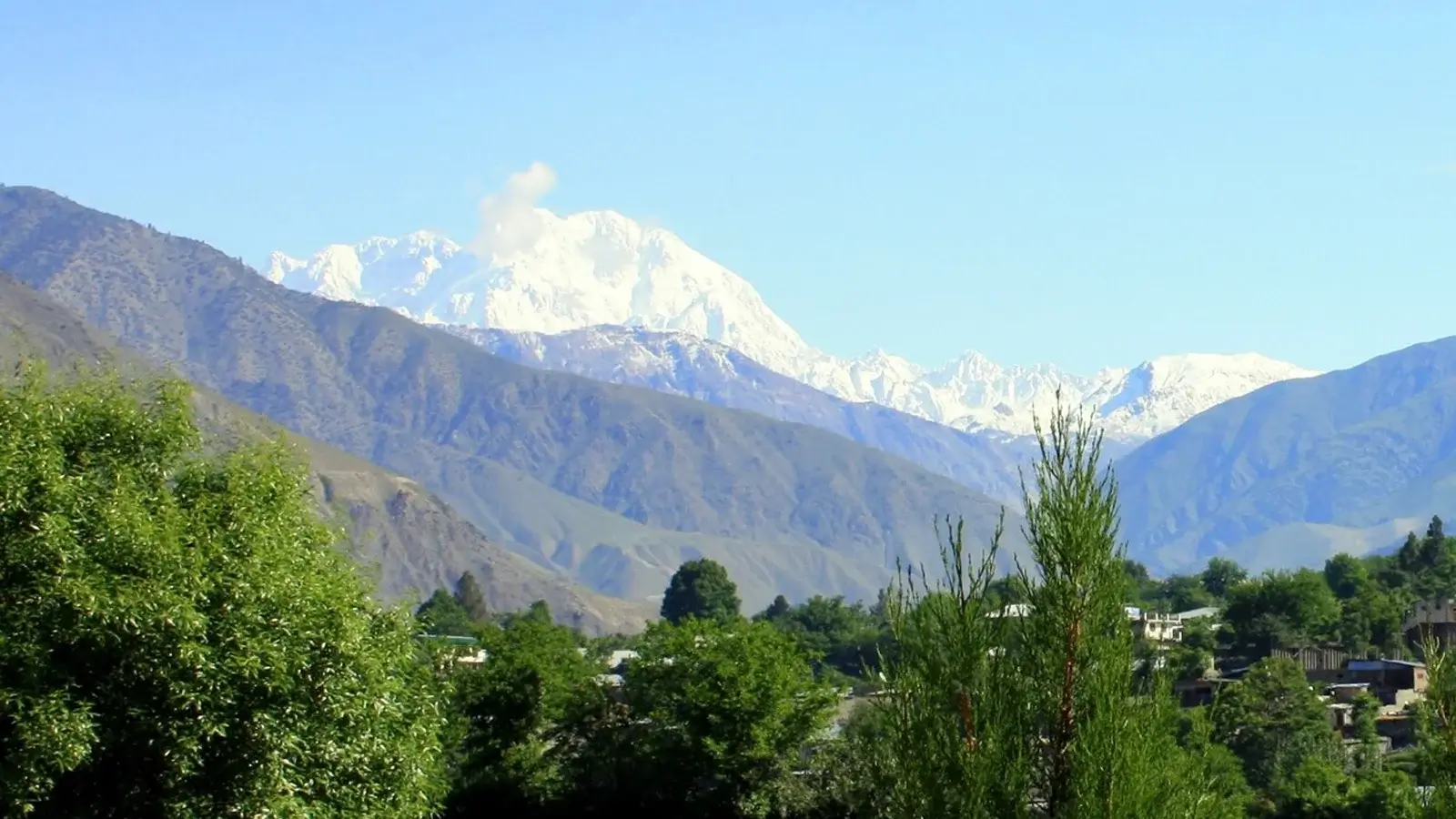
Tirich Mir views. At 7,708 m it is the highest peak in the Hindu Kush and visible from the town on clear days. The best views are from the higher ground around the valley rather than the bazaar.
Garam Chashma. A side valley northwest of the town with hot springs, a couple of hours away on a rough road.
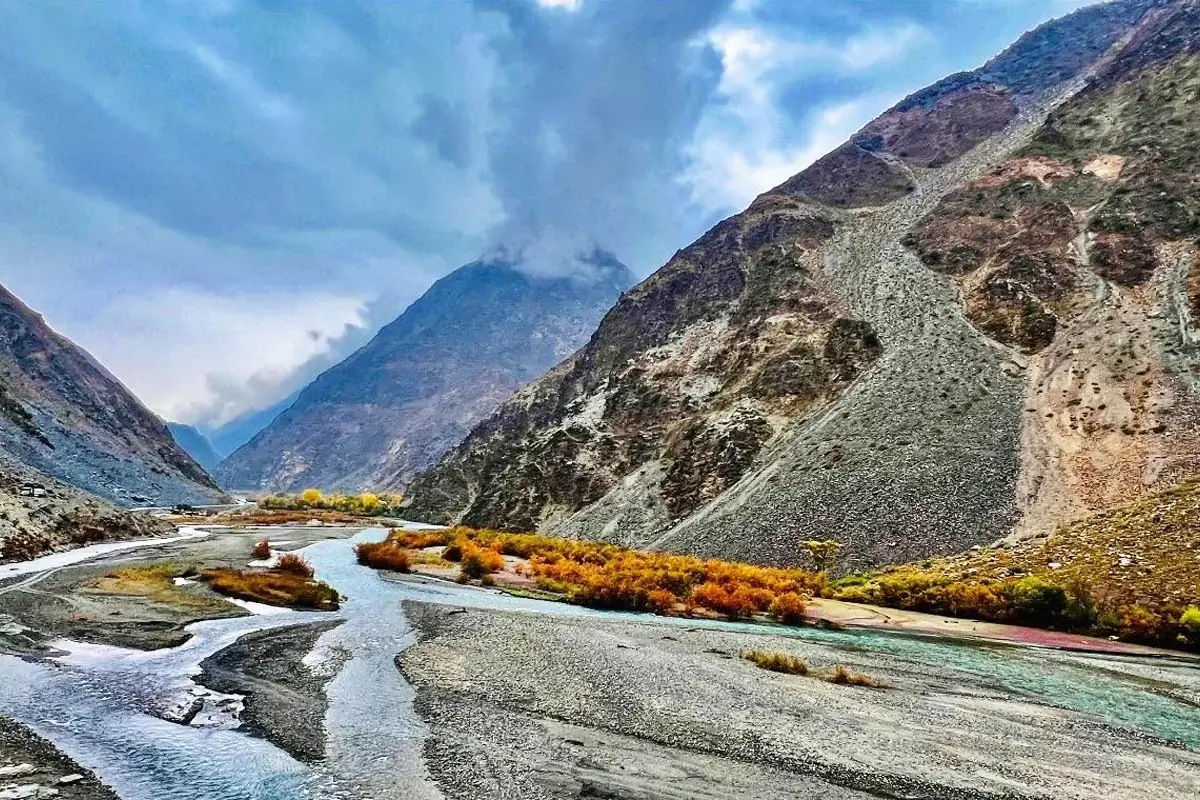
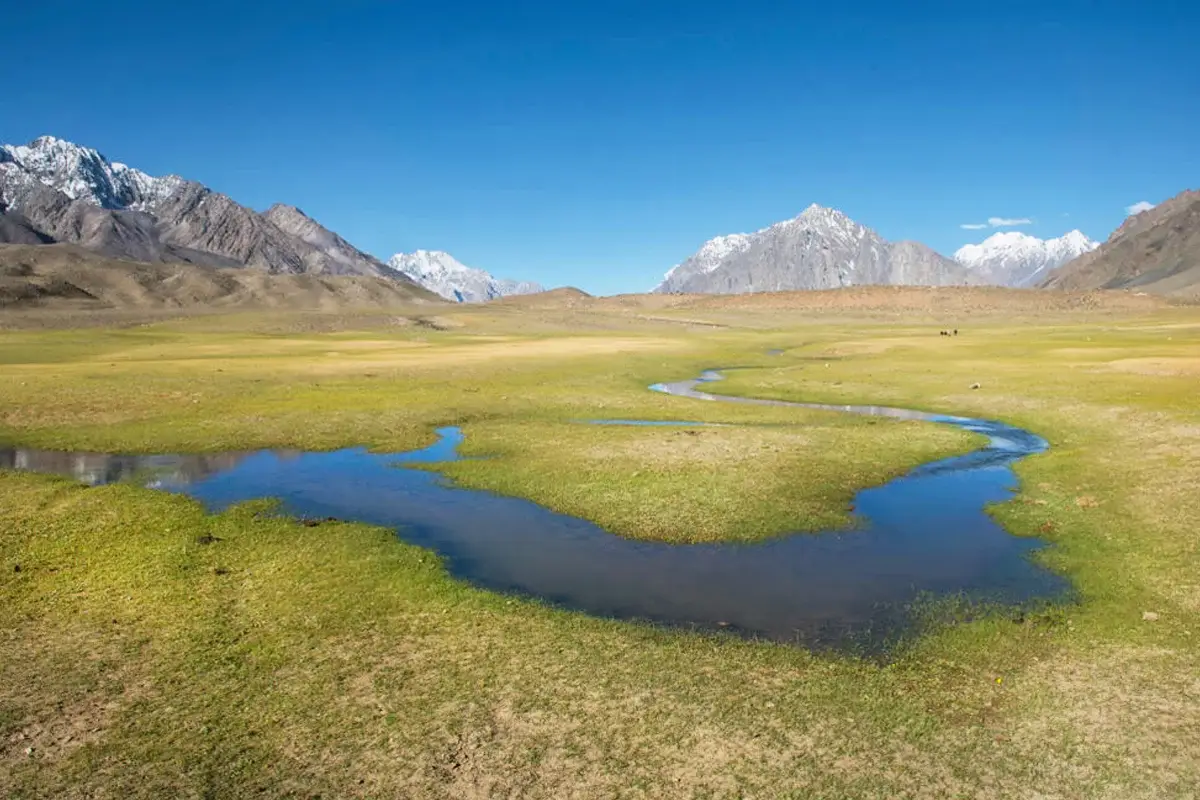
Shandur. A polo ground at about 3,700 m on the route to Gilgit, and the venue for a summer tournament that is a genuine spectacle. Open only in the warmer months.
What tends to disappoint
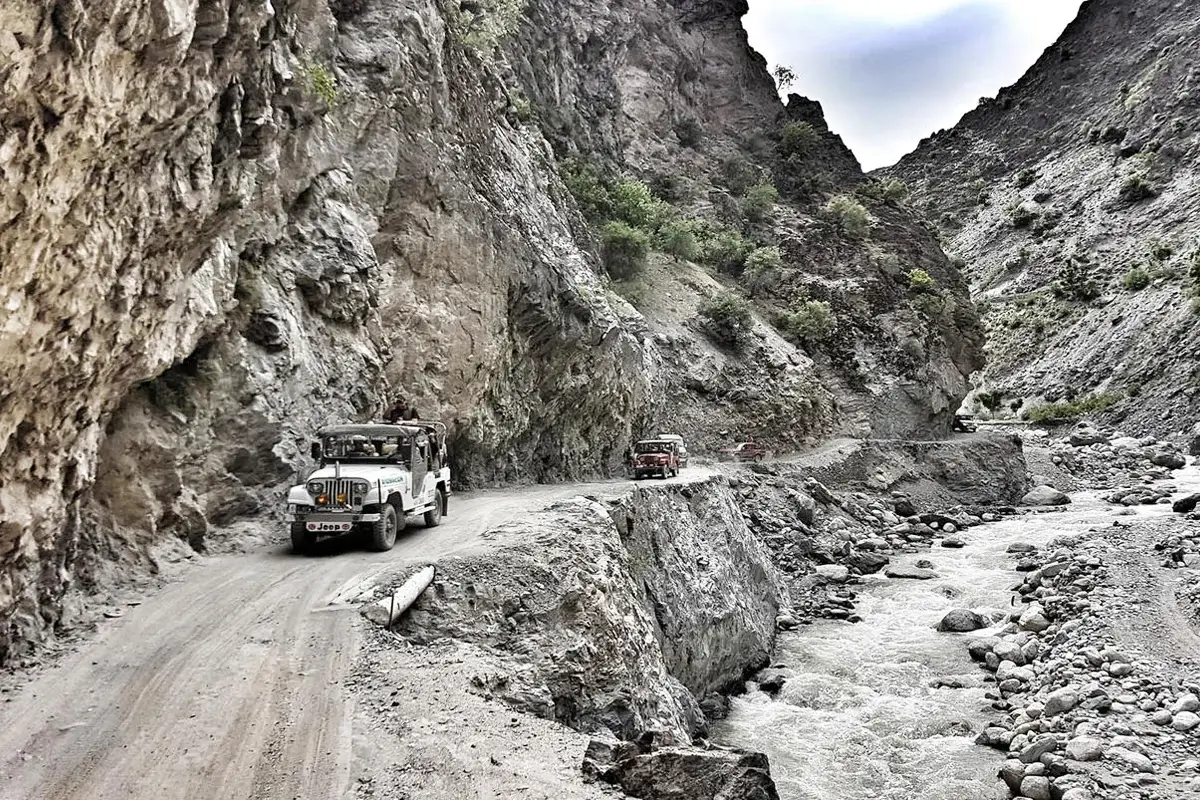
Chitral town is not scenic in itself — it is a functional bazaar with a spectacular backdrop. And the distances surprise people: the Kalash valleys, Garam Chashma and Shandur are each a substantial drive on rough roads, and a two-day trip realistically covers one of them.
The Kalash valleys
South of Chitral, reached via Ayun, are the three Kalash valleys — Bumburet, Rumbur and Birir — where the Kalasha people practise a religion and culture that predates Islam in the region. Bumburet is about two hours from Chitral town on a rough road.
This is the reason most international visitors come to the district, and it deserves more than a paragraph. Three festivals fall across the year — Chilam Joshi in spring, Uchal in summer, Choimus in winter — and visiting during one is a different experience from visiting outside them.
Photography etiquette matters here more than anywhere else in Pakistan, and permit requirements for foreign nationals differ from the rest of the district. We cover all of this properly in a dedicated guide.
Permits and safety
Chitral is safe for visitors and receives international travellers routinely, particularly around the Kalash festivals. The district borders Afghanistan, which means check posts are more frequent than in most of Pakistan and documentation is taken seriously.
Foreign nationals should confirm current requirements for both Chitral district and the Kalash valleys before travelling. The rules differ from Gilgit-Baltistan and have changed over time. We handle this for our guests as part of the booking.
Practical risks are the ordinary mountain ones: rough roads to the side valleys, weather on the Shandur route, and limited medical facilities outside the town.
Do not photograph check posts or anything near the border.
Where should you stay?
Chitral town has a modest range of guest houses and hotels, adequate rather than luxurious. Ayun, on the road towards the Kalash valleys, has a few options and is a useful base if the valleys are your focus.
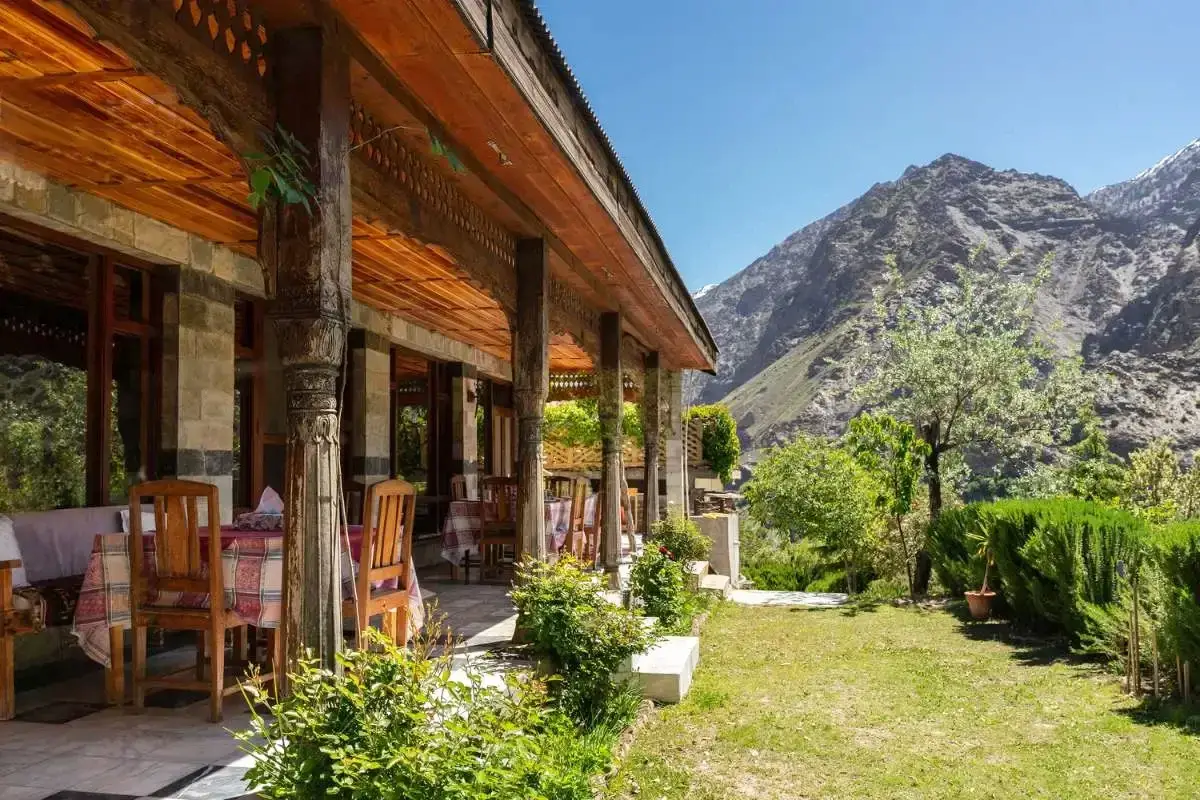
Capacity across the district is genuinely limited. During Chilam Joshi and Choimus, everything within reach of the Kalash valleys books out and prices rise sharply. Book months ahead for festival travel.
Frequently asked questions
How do I get to Chitral from Islamabad?
By road via Mardan, Dir and the Lowari Tunnel — around 10 to 12 hours. The tunnel keeps the route open year-round, replacing the pass that used to close with snow. Flights operate intermittently and are weather-dependent.
How far is Chitral from the Kalash valleys?
About two hours to Bumburet via Ayun, on a rough road. Rumbur and Birir are separate valleys, each reached on its own track.
When is Shandur Pass open?
Shandur Pass is generally open from May to October, depending on snowfall and road conditions.
Do foreign nationals need a permit for Chitral?
Requirements for the district and for the Kalash valleys differ from the rest of Pakistan and have changed over time. Confirm current rules before travelling rather than assuming.
How many days do I need in Chitral?
Two or three for the town and one side valley. If you are attending a Kalash festival, plan four or five including travel.
Can I go from Chitral to Gilgit directly?
Yes, over Shandur Pass in summer. It is a full day on a rough road and spectacular, but it is not a fast route. Outside the Shandur season you backtrack via Dir.
Is Chitral worth visiting outside the Kalash festivals?
Yes, though it is a quieter proposition. Tirich Mir, the fort, Garam Chashma and Shandur stand on their own. The festivals are the peak experience, not the only reason to come.
Planning a Chitral trip?
We run guided trips to Chitral and the Kalash valleys, including festival departures for Chilam Joshi, Uchal and Choimus, with transport, permit handling and English-speaking guides.
See Chitral tour packages Message us on WhatsAppLast updated: 21 August 2026 · Written and verified by Abrar Najmi, Pakistan Tour Maker.
Pakistan Tour Maker is the international division of Click Pak Tourism Services, a Government of Pakistan licensed tour operator (Licence No. 9780), operating since 2013.